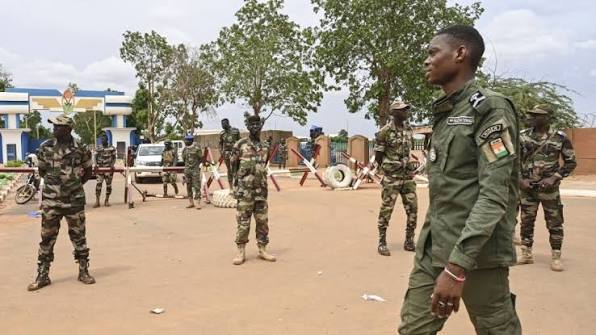

● Nigerian traders and businesses report direct cost impacts from the new
AES tariff regime. (April 2025)
A trader along the Nigeria-Niger border spoke to journalists in April 2025,
warning that small and medium-scale businesses simply wouldn’t be able to
afford the new AES tariff.
He didn’t just predict lost income. He predicted exactly what would replace the
lost formal trade — smuggling, through unofficial channels, to dodge the tax
entirely.
He wasn’t guessing. He was describing a pattern this region has already lived
through once before — and this time, everyone could see it coming before it even
happened.
Here’s What Actually Happened
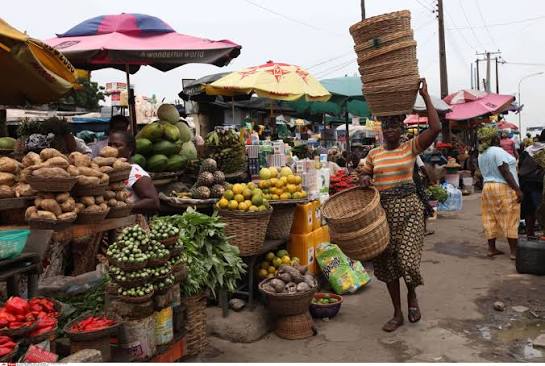
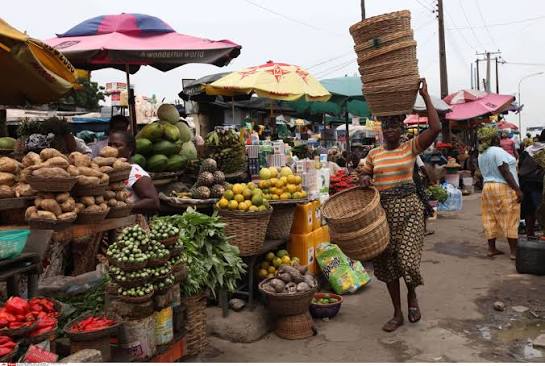
In early April 2025, Nigerian traders along the border with Niger Republic spoke
out publicly about the direct cost impacts of AES’s new 0.5% tariff, warning it
would disrupt trade relationships built over decades.
Alhaji Muhammad Mamman, a trader along the border axis, told journalists that
many traders in border communities relied on daily transactions to sustain their
businesses and families — meaning even a small percentage tariff hits a fragile,
day-to-day income structure hard.
“Small and medium-scale businesses may not be able to afford the expenses
forced by this new tax,” Mamman said.
He named the specific local impact directly too: fewer goods moving across the
border would leave markets in Mai’adua and similar border towns facing what he
called economic stagnation.
Here’s the myth-check. It’s worth being precise about the actual scale of
Nigeria-Niger trade at stake, since the numbers are more modest than the
political rhetoric might suggest. By 2023, Nigeria’s exports to Niger totaled $209
million, led by petroleum gas ($44.6 million), electricity ($41.5 million), and cement
($32.8 million). This isn’t Nigeria’s largest trade relationship by volume. But for the
specific border communities and small traders involved, it represents their entire
livelihood.
The Scandal: Traders Predicted the Exact Failure Pattern Before
It Happened
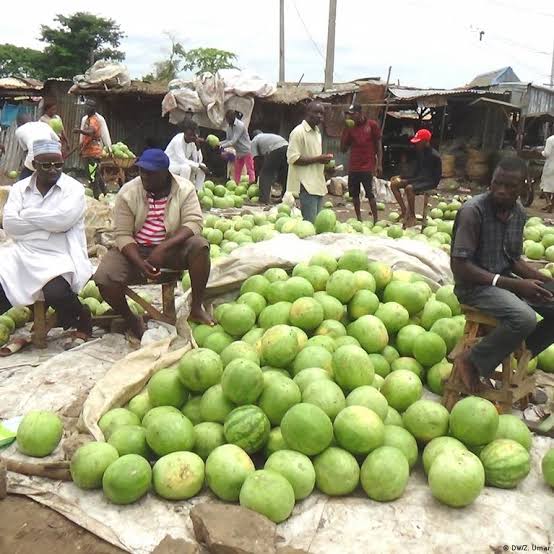
Here’s the sharpest point in this entire piece. Mamman didn’t just warn about lost
income — he specifically predicted the tariff would increase smuggling activity,
as small traders look for ways to bypass official channels entirely.
Connect this directly to earlier reporting already covered in this blog. This is
precisely the same failure pattern already documented in Nigeria’s own 2019
border closure — a policy meant to formalize or control trade ends up pushing
that same trade underground, into unmonitored routes, where it becomes harder
to tax, harder to regulate, and often more dangerous for the people moving
goods.
Here’s the real scandal, stated precisely. This isn’t a case of officials failing to
anticipate the consequences of a new tariff. Traders on the ground predicted this
outcome publicly, in real time, before the tariff had even been in effect for two
weeks — meaning the people actually moving goods across this border
understood the policy’s likely failure mode better than the governments
designing it.
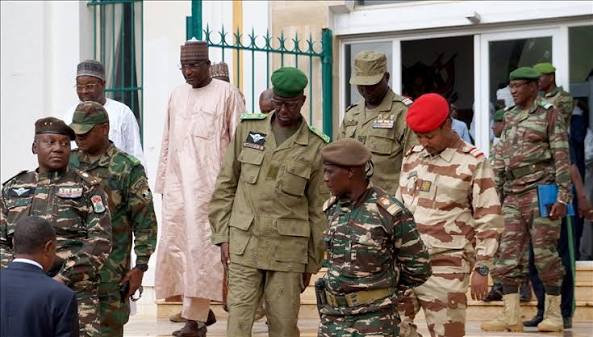
A retired diplomat’s perspective adds further weight here. Ambassador Joe Keshi,
a former Nigerian diplomat to African countries and the United States, pointed
to the deeper structural problem: AES countries are landlocked and dependent
on coastal countries like Nigeria for trade access, meaning a tariff strategy
aimed at asserting independence is layered on top of a geographic reality that
makes true independence from those coastal trade routes extremely difficult.
Who Actually Absorbs the Cost
There’s a size-of-business point implicit in Mamman’s warning that deserves to be
made explicit. A flat percentage tariff affects large, well-capitalized trading firms
very differently than it affects small, day-to-day border traders. The same 0.5%
that’s a rounding error for a major exporter can be the difference between profit
and loss for someone trading in smaller volumes to sustain a household.
The market-stagnation warning has second-order effects worth unpacking too. If
fewer goods move through official channels, it doesn’t just hurt the traders
directly involved — border town economies that depend on associated activity,
like transport, storage, food vendors serving traders, and informal lending,
absorb ripple effects as well.
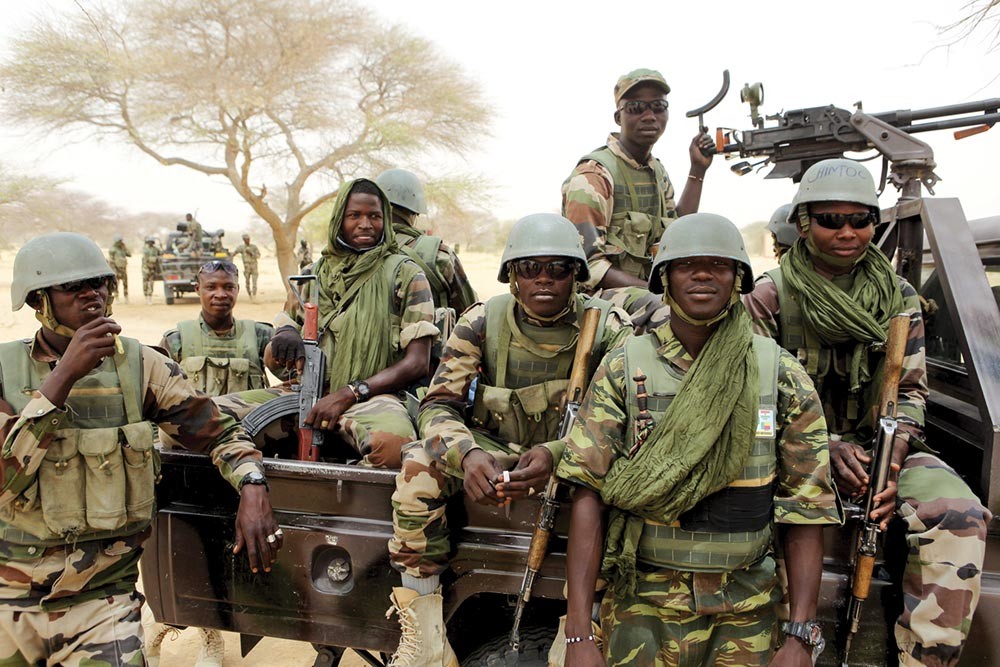
This ties back directly to the broader AES checkpoint economy already
documented in this series. As more trade shifts toward informal, unofficial routes
to avoid the tariff, it feeds directly into the same 12-to-15-checkpoint bribery
network already documented as driving Sahelian food inflation up 18% since
early 2026. This tariff doesn’t just risk losing tax revenue — it risks actively
growing the informal extraction economy it was ostensibly designed to help fund
alternatives to.
A policy sold as building financial independence for AES may be doing the
opposite at the small-trader level — pushing exactly the kind of economic activity
that could be formally taxed and tracked into the shadows instead.
The Myth vs. The Reality
| What people assume | What actually happened |
|---|---|
| The AES tariff’s effects were a surprise that only became visible after implementation | Border traders publicly predicted the tariff’s failure mode, including increased smuggling, before it had even been in effect for two weeks |
| The tariff mainly affects large-scale trade and government revenue, not ordinary people | The trade relationship at stake, while modest in national terms, represents the entire livelihood for specific border communities |
| Any shift to informal trade routes is a minor side effect | The predicted shift toward informal trade routes directly feeds the checkpoint bribery economy already documented elsewhere in this series |
| Traders lacked the insight to anticipate this outcome | Traders understood the policy’s likely failure mode in real time, better and earlier than the governments designing it |
Why This Still Matters
This is what happens when a policy designed in the name of sovereignty and
independence collides with the people who actually have to live inside its
consequences — and in this case, those people saw the collision coming before
anyone with formal authority acted on their warning.
Alhaji Muhammad Mamman wasn’t offering a hypothetical concern in April 2025.
He was describing, in advance, the same pattern this blog has now documented
multiple times over — a well-intentioned trade policy that ends up strengthening
the informal, untaxed, checkpoint-driven economy it was supposed to move the
region away from.