
Out of 3,470 railway workers employed by the two state companies running this
line, only 1,815 were rehired when the new private operator took over.
More than half a workforce, gone in one handover.
This wasn’t a hostile takeover. It was a “competitive” international tender that
ended up with exactly one real bid left standing by the time it closed.
They called it privatization. For the people who built and ran this railway for three
decades, it looked a lot more like a layoff with extra paperwork.
Here’s What Actually Happened
Let’s start with the railway’s real origin story, because it didn’t begin as a Bolloré
asset — it began as something much rarer.
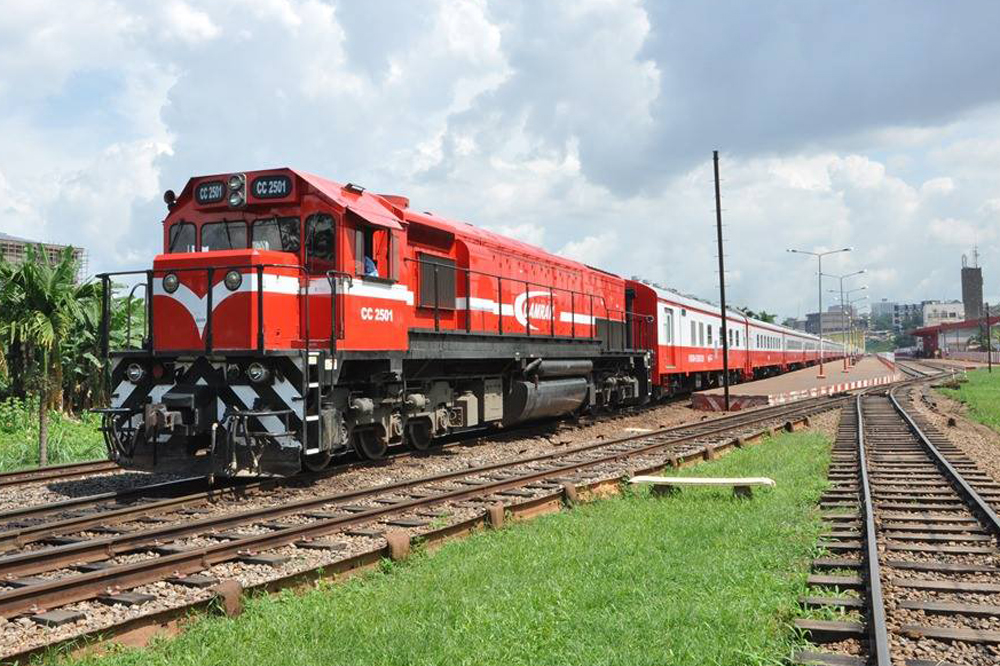
Built under French colonial rule, the line became the Régie Abidjan-Niger (RAN)
after independence in 1960 — a public enterprise jointly owned by two sovereign
nations, Côte d’Ivoire and what was then Upper Volta, later renamed Burkina
Faso. That joint ownership structure alone made it unusual: two newly
independent countries sharing direct control of a single piece of critical
infrastructure.
And for a while, it worked. RAN was financially viable and well run through the
mid-1970s, moving millions of passengers a year and opening up commercial
activity across a far wider area than had been possible before.
Then came the decline, and it’s worth being honest about how it happened. From
the mid-1970s onward, a combination of underfunding, poor management
decisions, an overemphasis on cheap passenger service at the expense of
profitable freight, and growing competition from road transport steadily wore the
railway down.
Here’s the part that made things worse, and it wasn’t caused by any foreign
company: in 1989, for political reasons, the two governments split RAN into two
separate national companies — the Société Ivoirienne des Chemins de Fer (SICF)
in Côte d’Ivoire and the Société des Chemins de Fer du Burkina (SCFB) in Burkina
Faso. This decision deepened the railway’s problems rather than solving them.
Here’s the myth-check. The privatization that followed wasn’t an isolated scheme
cooked up by Bolloré out of nowhere. It happened under direct, documented
pressure from the IMF and the World Bank, as part of the broader wave of
structural adjustment programs being applied across African state enterprises
throughout the 1990s. Understanding that context doesn’t excuse what happened
next — but it does mean the real story is more complicated than “one company
grabbed a railway.”
A Competitive Tender With One Real Bidder
This is where the transparency question actually lives, so it’s worth walking
through the process in detail.
A formal reintegration and privatization plan for the railway was announced in
October 1992, followed by a call for bids that December. Three offers came in.
The first, from a Canadian company, was withdrawn after it emerged that its local
partners had already secretly struck a deal with one of the other bidders — a
direct conflict of interest that collapsed the bid before it could go further. The
second, from a Belgian firm, was disqualified on technical grounds: it proposed a
management contract rather than the full concession arrangement the tender
required.
That left exactly one bid — from SAGA, a French transnational company,
operating in cooperation with local investors.
A tender advertised as competitive ended, in practice, with a single viable bidder.
And there’s a detail here worth naming directly, because it raises real questions
about how “fair” this process actually was. SAGA’s freight business already
accounted for more than half of the Ivorian rail company’s total revenue before
privatization even took place — giving it significant existing market leverage over
the very asset it was bidding to control. Then, in 1994, the year before the
handover was finalized, that same freight traffic mysteriously dropped by almost
30%. That decline has fueled lasting speculation about whether it was allowed to
happen, or even encouraged, to make privatization look more urgent and the
deal look more justified.
What the New Deal Actually Looked Like
The specific ownership numbers that emerged from this deal tell the sovereignty
story better than any general description could.
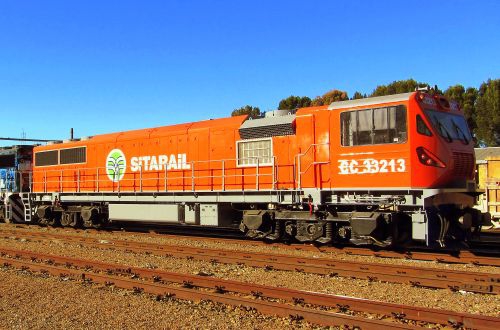
SAGA held roughly 32.65% of the newly created Sitarail entity. Burkina Faso and
Côte d’Ivoire’s governments — the two sovereign nations that had jointly built and
owned this railway for over three decades — retained just 15% each. Other
transnational and local firms, including Maersk, held around 18% combined.
Sixteen percent was floated on the Abidjan stock exchange. Three percent went
to staff.
Sit with that for a moment. The two governments that had founded, funded, and
run this railway since their own independence were reduced to minority
shareholders in their own former national asset.
And the workforce number from the opening of this piece deserves its full
context here. Of 3,470 employees across the two state companies, only 1,815 were
rehired by Sitarail when it began operations in 1995. Severance for the rest was
funded, in part, through international donor structural adjustment credits —
meaning the same international financial institutions pushing the privatization
also helped fund the layoffs that privatization directly caused.
One more thread worth tracing: SAGA’s controlling stake didn’t stay with SAGA. In
the years that followed, SAGA was absorbed into Bolloré’s rapidly expanding
African logistics empire. The controlling position secured through this
uncompetitive 1995 tender became the foundation of Bolloré’s decades-long grip
on the line — the starting point for everything that came after.
The Myth vs. The Reality
| What people assume | What actually happened |
|---|---|
| Bolloré aggressively seized control of Burkina Faso’s railway from the outset | Bolloré’s position traces back to SAGA winning a 1995 concession tender, with Bolloré absorbing SAGA’s stake years later |
| The 1995 privatization was a fair, competitive international bidding process | Two of three bids were disqualified for conflicts of interest and technical non-compliance, leaving a single viable bidder |
| The railway’s decline was primarily caused by later private mismanagement | Decades of decline predated privatization, worsened by a self-inflicted 1989 political split of the company into two separate national entities |
| The two governments retained meaningful control after the handover | Burkina Faso and Côte d’Ivoire were each left with just 15% ownership, becoming minority shareholders in a railway they had jointly built and run since independence |
Why This Still Matters
This 1995 handover isn’t a footnote in Bolloré’s West African story. It’s the origin
point for everything that followed — decades of alleged underinvestment, the
broken 2016 promise to extend the line toward Kaya and Tambao, and the 2022
“Burkina 2050” protests demanding the entire agreement be cancelled.
What looked, on paper, like a standard structural-adjustment-era privatization
was really the moment Burkina Faso’s most important piece of transport
infrastructure shifted from majority public ownership to majority control by a
company that, three decades later, Burkinabe citizens would be marching in the
streets to remove.
Next in this series: decades of underinvestment and deteriorating service — what
happened to the railway once Bolloré was in control.