

A Historical In-depth Discovery of Trade in West Africa Since 1896
Here’s what you need to know:
- In November 2004, Alcoa and Alcan signed a formal protocol with Guinea’s government to jointly develop a 1.5 million-tonne alumina refinery, with a feasibility study promised by mid-2005, construction to follow “shortly thereafter,” and alumina production expected as early as 2008.
- By 2011 — three years past that original production target — the US Geological Survey’s own Minerals Yearbook confirmed the underlying agreement had only progressed as far as completing a feasibility study, and even that narrower deadline, originally set for November 2008, had already been extended once, to November 2012.
- The scandal: as of November 2025, more than two decades after the original 2004 protocol, market analysis confirms Guinea’s government was still in “ongoing discussions” with CBG and Alcoa about refinery development — with Guinea’s only currently operating alumina refinery in the entire country remaining Friguia, a facility built in the late 1950s, meaning this specific promise has now outlasted the working lifetime of the plant it was supposed to complement.
The Promise: What Was Actually Signed in 2004-2006
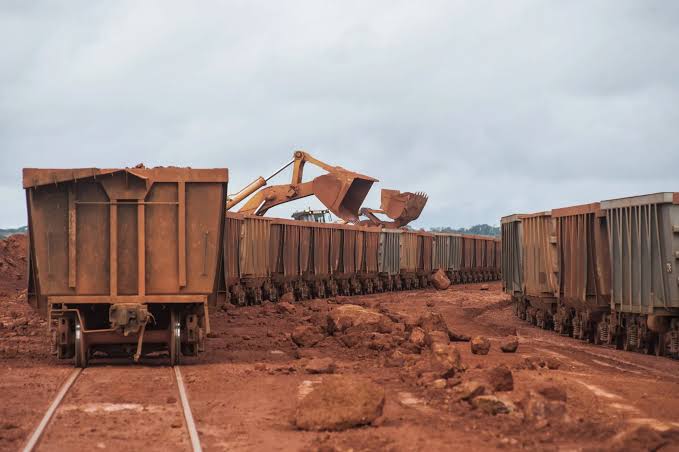
The specific commitments made in this agreement are worth stating precisely, since the original announcement was genuinely detailed and concrete, not a vague statement of future intent. On November 24, 2004, Alcoa’s affiliate Alcoa World Alumina LLC, Alcan Inc., and the Government of Guinea signed a formal protocol for jointly developing a 1.5 million metric ton per year alumina refinery in Guinea. The announcement stated plainly that “a detailed feasibility study for the refinery is expected to be completed by mid-2005, with construction to begin shortly thereafter,” and that “following the completion of the feasibility study, alumina production could be expected by 2008.” Separate contemporary reporting placed the project’s estimated cost at $25 to $30 million, with construction targeted to begin in early 2007.
The formal Basic Agreement that followed this protocol was substantial in its own right, granting the joint venture exclusive rights to build and operate the refinery, the right to produce, market, and export alumina from Guinea without restriction, and priority access to Guinea’s existing state-owned port, rail, and road infrastructure. The project was projected to create over 10,000 construction jobs and 1,500 permanent operational positions — a genuinely significant promised economic contribution to the Boké region.
The Extension: What Had Actually Happened by 2011
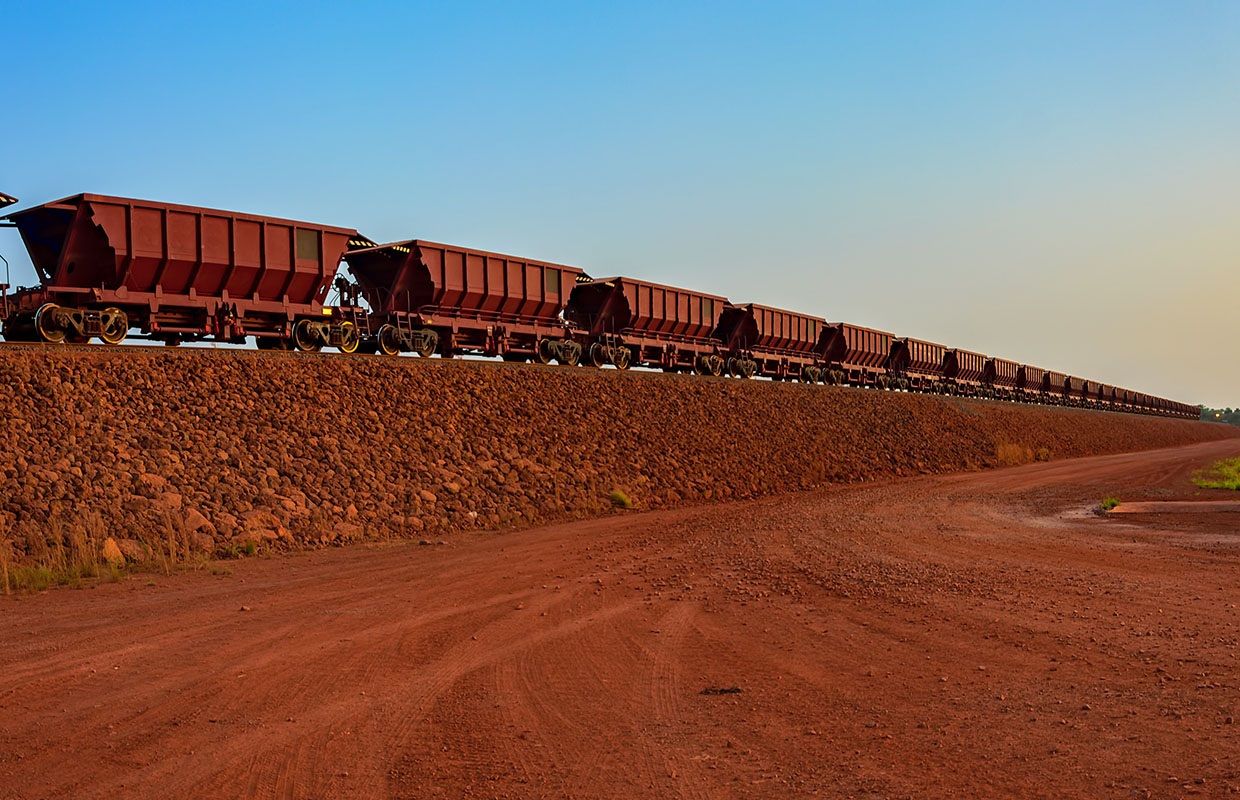
Here is the first clear evidence that the original timeline had already broken down. The US Geological Survey’s own Minerals Yearbook covering Guinea’s mineral industry in 2011 reported that Alcoa World Alumina’s “basic agreement to complete a feasibility study for the development of a 1.5-million-metric-ton-per-year-capacity alumina refinery, which originally was set to expire in November 2008, had been extended to November 2012.”
This detail deserves careful attention, since it reveals just how far behind schedule the project actually was. The original 2004 announcement had promised alumina production itself by 2008. By 2011, the project hadn’t even completed the feasibility study that was supposed to precede construction — and the deadline for completing that preliminary study alone had already been pushed back four full years, from 2008 to 2012. Three years after alumina was originally supposed to be flowing from this refinery, the project remained stuck at the study phase.
The Twenty-Year Gap: Where Things Actually Stand Today
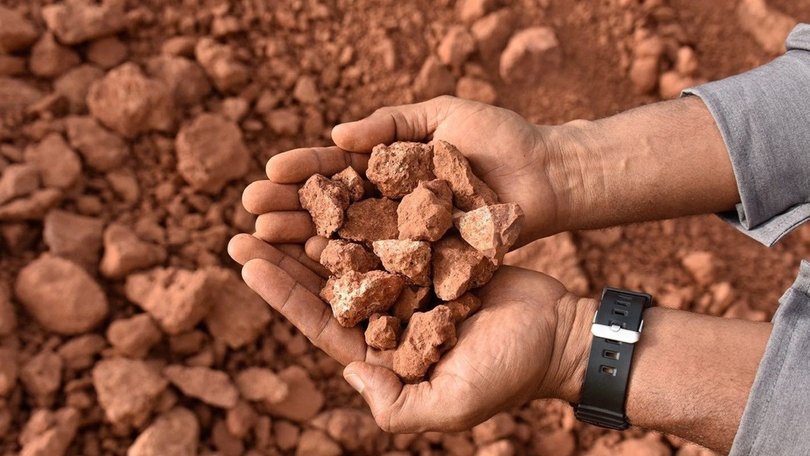
It’s worth stating directly how far this specific commitment has continued to drift, since the most recent available reporting confirms this refinery still hasn’t been built more than two decades after the original protocol. Market analysis from November 2025 states that Guinea’s government was engaged in “ongoing discussions” with both CBG and Alcoa specifically regarding refinery development — language describing an unresolved, still-negotiating relationship, not a completed or even actively-under-construction project. Twenty-one years after the original 2004 protocol promised alumina production by 2008, the CBG-Alcoa refinery commitment remained, by the most current available account, still a subject of discussion rather than an operating facility.
There is a specific, telling comparison worth drawing here. The same November 2025 analysis confirms that Guinea’s only currently operating alumina refinery remains Friguia — the facility built by France’s Pechiney-Ugine in the late 1950s, nationalized by Sékou Touré’s government in 1961, and eventually sold to Russian aluminum company RUSAL in 2006 for the $19 million figure already documented elsewhere in this blog’s coverage of Guinea’s bauxite sector, with an annual capacity of just 600,000 tonnes. This means that Guinea’s total domestic alumina processing capacity in 2025 remains rooted entirely in a facility older than the country’s own independence movement, despite the specific, formally signed 2004 commitment to add 1.5 million tonnes of new capacity — two and a half times Friguia’s entire existing output — through the Alcoa-Alcan partnership.
The Pattern: This Wasn’t an Isolated Broken Promise
Here is the finding that transforms this from a single company’s unmet commitment into a documented, systemic national pattern. The exact same kind of refinery commitment, made around the same period through a nearly identical legal instrument, was also broken by an entirely separate company — and this time, Guinea’s government finally responded with genuine consequences.
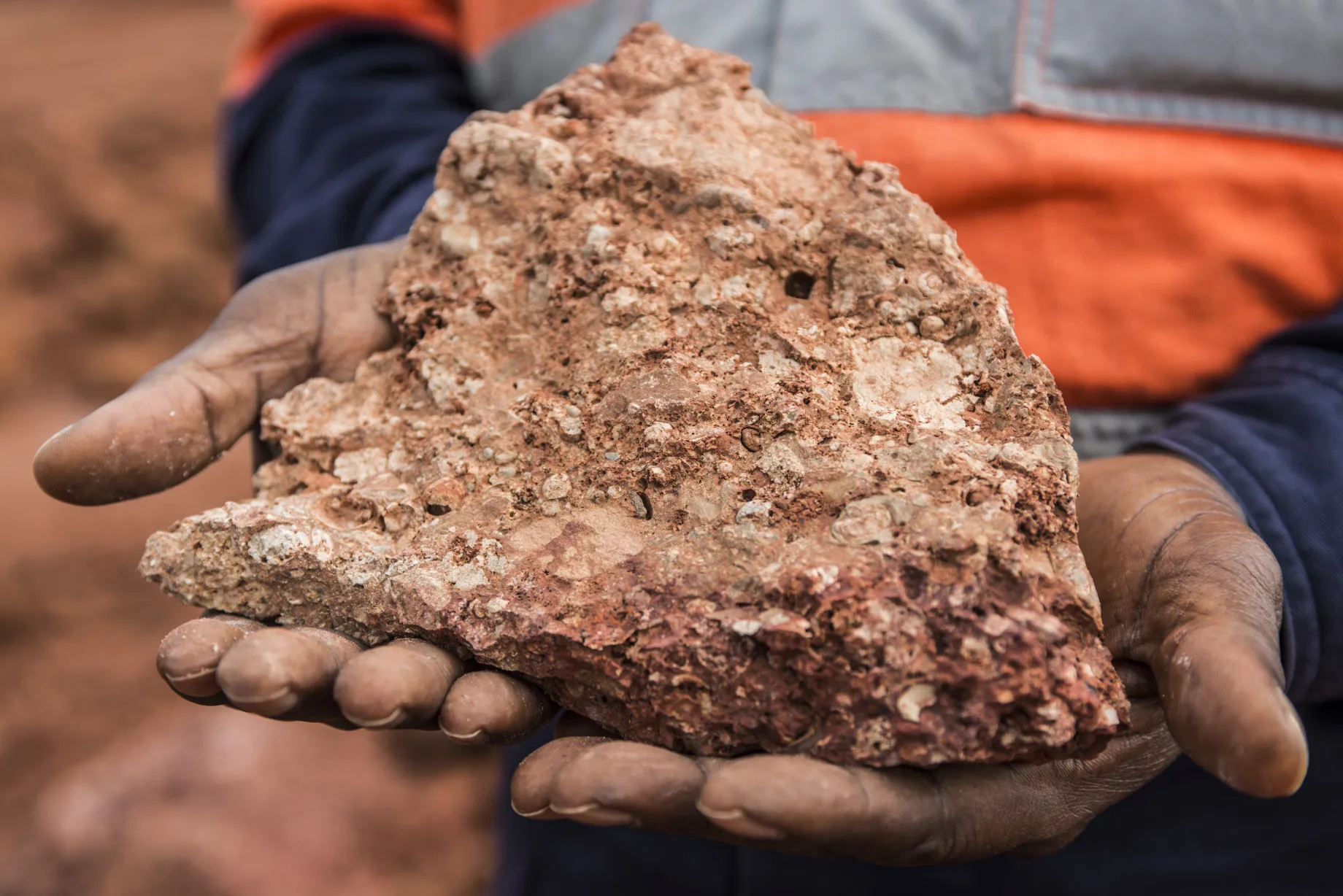
Guinea Alumina Corporation, owned by Emirates Global Aluminium, had operated in the country under its own “Basic Agreement” dating specifically to October 15, 2004 — the same broader era as the Alcoa-Alcan protocol. In August 2025, Guinea’s government formally revoked GAC’s mining license, with the official decree citing “non-compliance” specifically referencing “article 88 of the basic convention dated 15 October 2004 and its two amendments,” accusing the company directly of “failing to construct an alumina refinery in Guinea, as agreed, to process the bauxite locally.” The decree stated that GAC’s entire mining concession, including all its resources, would revert to the Guinean state “free of charge and free from any current or future claims relating to rights, interests or benefits.” Separate reporting confirms this specific failure involved GAC’s commitment to build a smaller, 1 million tonnes-per-year refinery, for which the company had signed a term sheet as recently as June 2024, received an extension to September 2026, and still failed to deliver.
The contrast this creates is worth stating plainly. Guinea’s government has demonstrated, through the GAC case, that it is willing to formally revoke a foreign company’s entire mining concession over an unfulfilled refinery promise dating to this same 2004 period. Yet the original Alcoa-Alcan refinery commitment — announced with equal formality, equal government backing, and an equally specific production target — appears to have continued for over twenty years without triggering the same kind of decisive government action, remaining instead in a state of open-ended “ongoing discussions” as of the most recent available reporting.
Close
The 2004-2006 alumina refinery agreement between Alcoa, Alcan, and Guinea’s government was a genuine, formally signed, legally substantial commitment — not a vague aspiration, but a specific promise of 1.5 million tonnes of annual capacity, backed by a detailed timeline projecting production by 2008. That timeline broke down almost immediately: by 2011, even the preliminary feasibility study remained incomplete, its own deadline already extended once. By 2025, more than two decades after the original signing, the project remained a subject of ongoing discussion rather than an operating facility, while Guinea’s entire national alumina processing capacity continued to rest on a single refinery built before the country’s own independence. And when a separate company’s nearly identical refinery promise from this same 2004 era finally collapsed entirely in 2025, Guinea’s government responded with the complete revocation of that company’s mining rights — raising a genuine, still-unanswered question about why the original Alcoa-Alcan commitment, unmet for even longer, has not yet faced the same reckoning.
Sources and further reading.