
A Historical In-depth Discovery of Trade in West Africa Since 1896
Here’s what you need to know:
- CBG’s founding agreement, ratified by Guinea’s National Assembly on October 24, 1963 and signed by the President two days later, structured the company’s capital as 100,000 shares worth $2 million — with Guinea receiving 49,000 “A” shares specifically in exchange for granting mining rights, while Halco received 51,000 “B” shares in exchange for capital investment.
- This wasn’t a one-time negotiating outcome specific to CBG. The exact same 49% government stake later appeared at a separate Guinean bauxite-alumina operation, the Alumina Company of Guinea — even after Guinea’s own socialist government had fully nationalized that facility from its original French owner in 1961.
- The scandal: this mechanical structure meant Guinea’s actual sovereign ownership of its own mineral wealth was valued, in percentage-ownership terms, at less than the capital foreign investors contributed to extract it — a pattern that persisted across decades and multiple separate deals, culminating in the 2006 sale of Guinea’s own stake in that second facility for just $19 million, a figure critics directly called undervalued.
The Deal: How the 49% Split Was Actually Structured
The precise mechanics behind CBG’s founding ownership split are worth documenting in detail, since the World Bank’s own contemporary appraisal of the project preserves the exact legal language used. The agreement establishing CBG was ratified by Guinea’s National Assembly on October 24, 1963, and formally signed into law by the President two days later, on October 26. The resulting company’s initial capital stock was set at $2 million, divided into 100,000 shares with a par value of $20 each.
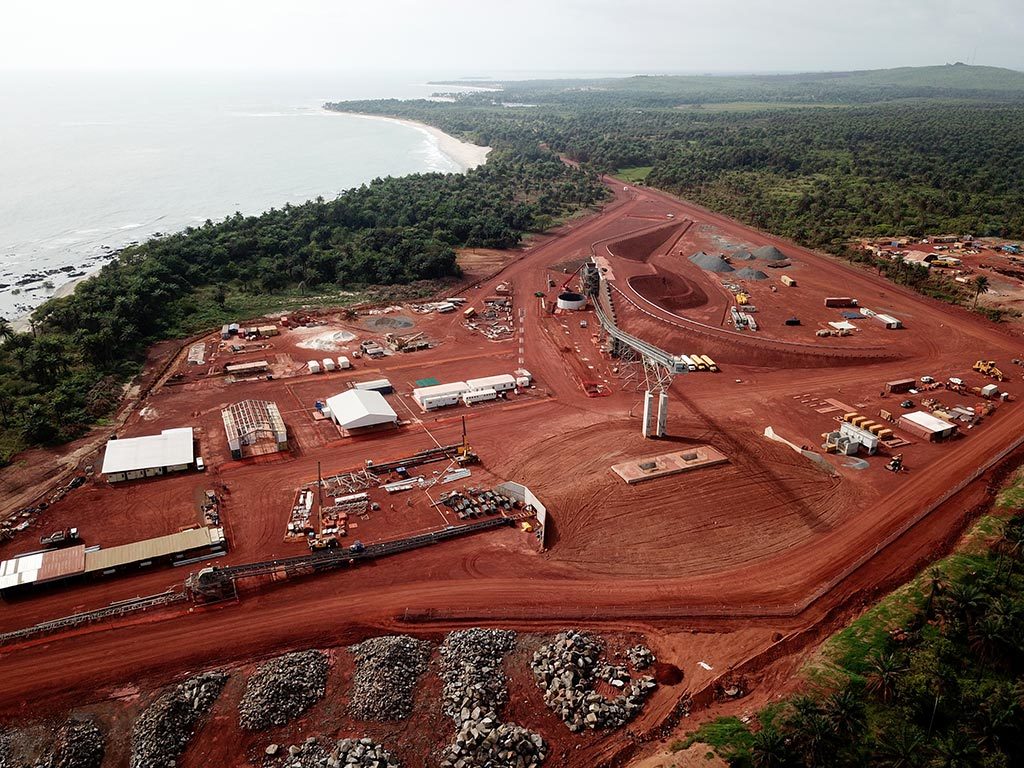
Here is the specific mechanical detail worth understanding closely, since it reveals precisely how each party’s stake was justified. Of these 100,000 shares, 49,000 “A” shares were issued to the Guinean government “against the grant of mining rights” — meaning Guinea’s ownership stake was not purchased with cash capital contribution at all, but was instead the direct compensation for allowing the mining rights to the Boké bauxite deposits to be granted in the first place. The remaining 51,000 “B” shares went to Halco — the American-led consortium originally organized by Harvey Aluminum Company, with founding ownership spread across the Aluminum Company of America (27%), Alcan Aluminum Limited (27%), Harvey Aluminum itself (20%), Germany’s Vereinigte Aluminum Works (10%), France’s Pechiney-Ugine (10%), and Italy’s Montecatini-Edison (6%) — a genuinely broad, multinational coalition of Western aluminum industry interests.
The Underlying Logic: What Guinea’s Resource Was Actually Worth in Shares
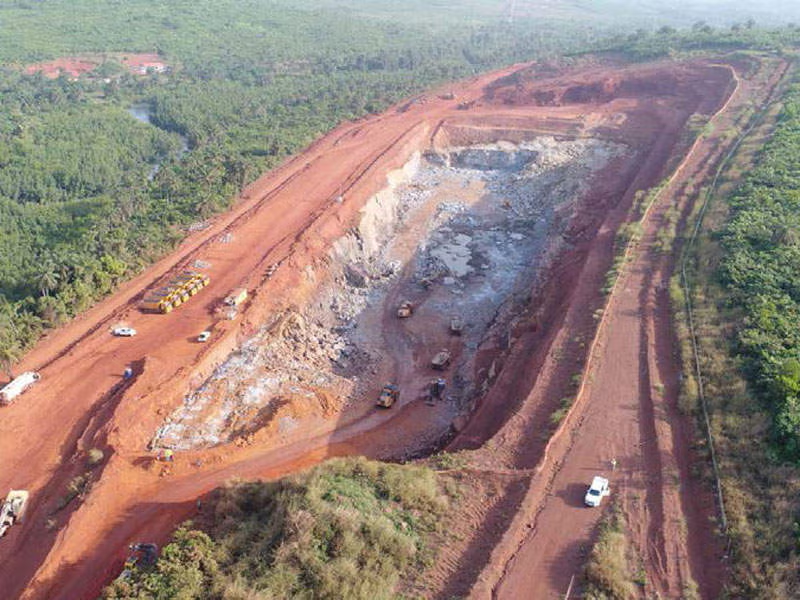
It’s worth stating directly what this share structure actually means when read plainly. Guinea’s contribution to this joint venture — the mining rights themselves, meaning legal access to one of the largest and richest bauxite deposits on the entire planet — was valued at exactly 49% of the company’s total equity. Halco’s contribution — the capital, technical expertise, and industrial capacity required to actually build the mine, railway, and port — was valued at a controlling 51%.
This is worth framing as a genuine question of relative valuation, not simply a neutral commercial arrangement. A resource this valuable, held by a sovereign nation with full legal authority over its own territory, was structurally positioned as worth slightly less than the money and machinery needed to extract it — meaning the foreign consortium, not the country that actually owned the mineral wealth, held ultimate control over the resulting joint enterprise from the very moment of its creation. Guinea granted access to a national asset whose scale of wealth this blog has already documented in detail — 7.4 billion metric tons of national reserves, the largest bauxite reserves on Earth — in exchange for a minority position in the company built specifically to profit from that same asset.
The Pattern: This Wasn’t a One-Off Outcome
Here is the finding that transforms this from a single unfavorable negotiation into a documented, repeated structural pattern. The exact same 49% government ownership ceiling appeared at an entirely separate Guinean bauxite-alumina operation: the Alumina Company of Guinea, operator of the Friguia complex originally built by France’s Pechiney-Ugine in the late 1950s.
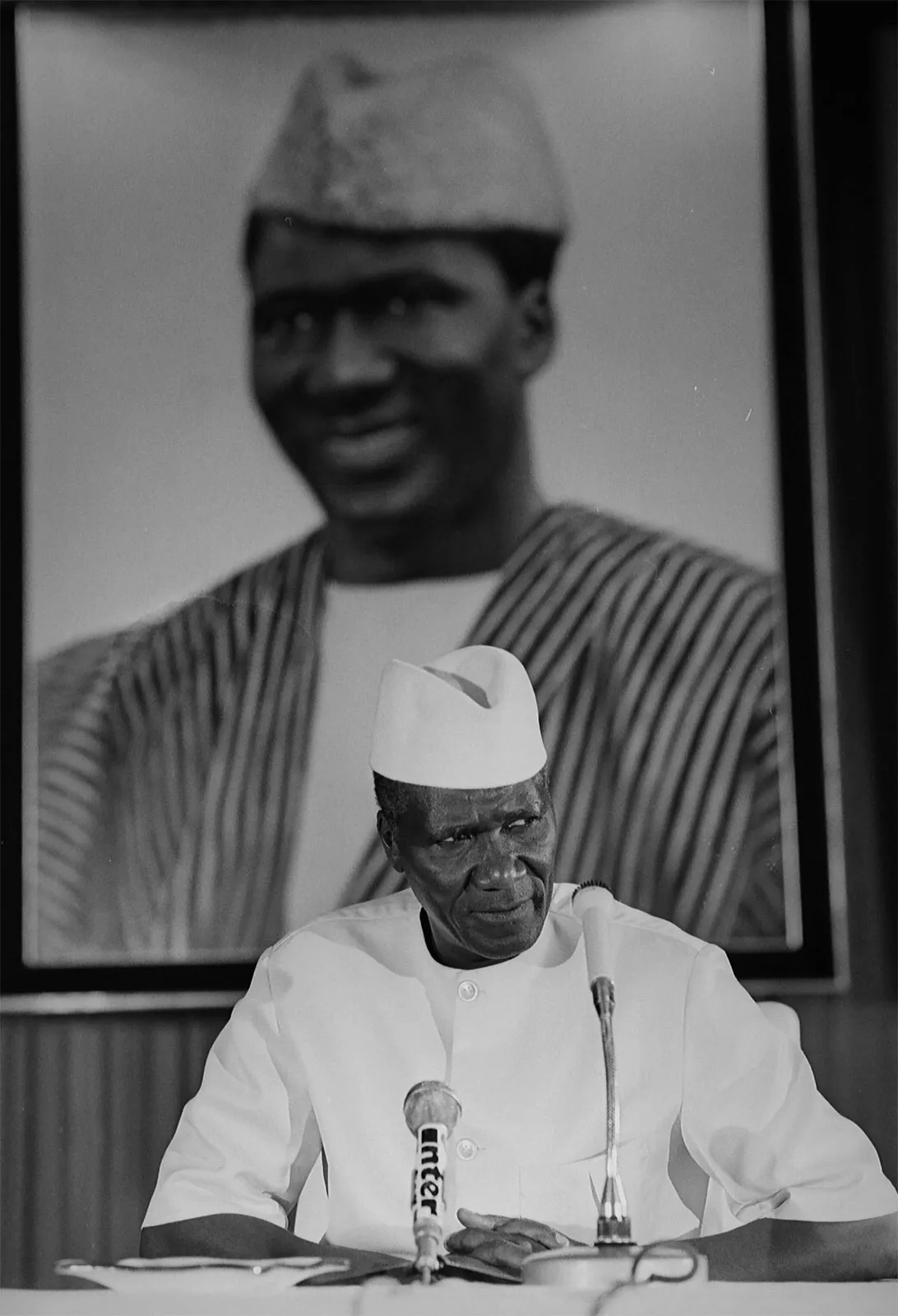
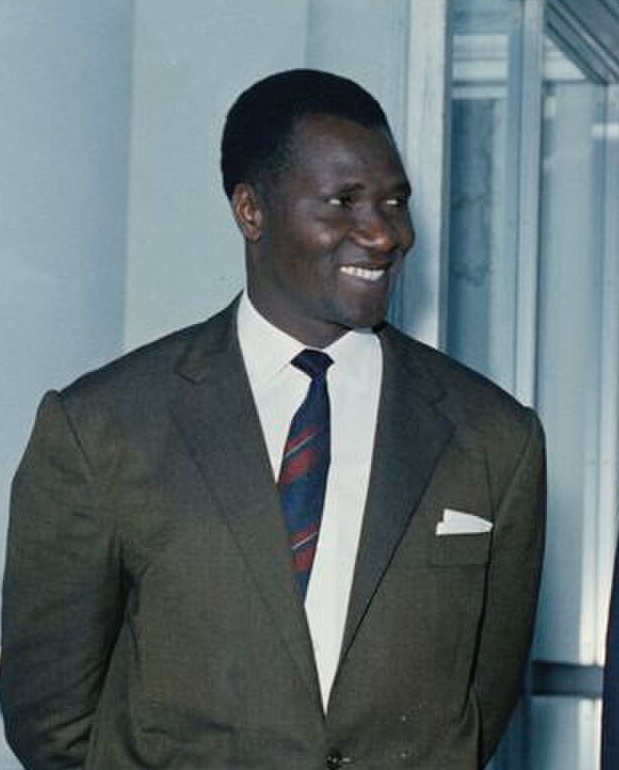
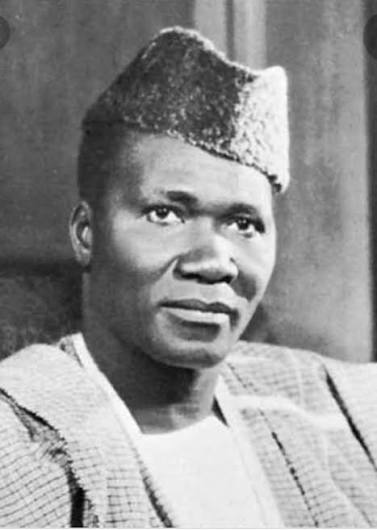
What makes this second case genuinely remarkable is the sequence of events surrounding it. Following Guinea’s 1958 independence, President Sékou Touré’s government pursued exactly the kind of aggressive nationalization policy one might expect from a newly independent, explicitly socialist state — seizing full control of the Friguia facilities by 1961, reflecting the government’s stated priority of “state ownership of natural resources to retain economic value domestically.” And yet, when this fully nationalized operation was later restructured as a joint venture to actually secure the foreign technical partnership needed to keep it operating, the government’s own stake settled at exactly 49% once again — with foreign partners holding the controlling 51%.
This repetition is worth sitting with directly. Even a government explicitly committed to nationalizing foreign resource holdings, acting on its own ideological priorities rather than external pressure, still arrived at the identical 49-51 minority structure when it needed to actually rebuild a functioning partnership with international technical expertise. This suggests 49% functioned less as a specific outcome negotiated once in 1963, and more as an entrenched structural ceiling — a number Guinea’s own government appears to have repeatedly accepted as the practical limit of state ownership achievable while still securing the foreign capital and expertise its extractive industries required.
The Long-Term Cost: What This Pattern Eventually Produced
The eventual outcome of this repeated ownership structure at the Friguia facility specifically is worth including as a stark, quantified conclusion to this pattern. In 2006, under President Lansana Conté, Guinea’s government sold its interest in ACG’s Friguia complex to Russian aluminum giant RUSAL for just $19 million — a sale critics “later deemed undervalued given the asset’s strategic importance and production capacity of around 500,000 metric tons” of annual alumina output. A facility capable of producing half a million tons of alumina annually, sitting on reserves as significant as Guinea’s own bauxite wealth, changed hands for a sum that independent observers directly characterized as a substantial undervaluation — the eventual, concrete cost of a government having accepted minority ownership status across decades of resource partnerships.
Close
The 49-51 ownership split at CBG was never simply an isolated commercial negotiation from 1963 — it was the first documented instance of a structural pattern that recurred across Guinea’s bauxite and alumina sector for decades afterward, appearing even at a facility Guinea’s own government had fully nationalized on its own initiative. The precise legal mechanics behind this split reveal something worth stating plainly: Guinea’s sovereign ownership of one of the world’s largest bauxite reserves was formally valued, in the actual founding share structure, at less equity than the foreign capital required to extract it. That structural imbalance, repeated across multiple separate deals with multiple separate foreign partners, eventually produced outcomes like the 2006 Friguia sale — a strategically vital, half-million-ton-capacity facility, built on Guinean soil, changing hands for a sum independent observers directly called undervalued.
Sources and further reading.