

A Historical In-depth Discovery of Trade in West Africa Since 1896
Here’s what you need to know:
- Senegal’s GAINDE/ORBUS single-window customs system, operational since 2004 and expanded into “ORBUS INFINITY,” is widely regarded as a genuine trade facilitation success story, and in July 2026 Senegal and Gambia agreed to install the GAINDE system at all major shared border posts within three months.
- The scandal, presented here with appropriate caution since it comes from a single communications-firm report rather than neutral reporting: that same report describes a businessman, Khadim Ba, detained in connection with a customs case, whose legal team’s June 2026 release request — supported by expert findings favorable to his position — was rejected by the presiding judge, with no final judicial determination reached as of the report’s publication.
- The report frames this and similar cases as raising broader questions about due process and investor confidence tied to Senegal’s customs code and its ongoing anti-corruption campaign — questions worth noting as contested and unresolved, not settled fact.
Senegal’s digital customs infrastructure is, by most accounts, one of the genuine success stories in West African trade modernization. At the exact same time, a live legal dispute is raising serious, contested questions about whether the reports that system produces can always be trusted — or challenged — fairly.

Symptom: What Senegal’s Trade Used to Look Like
The pre-digitization baseline is worth explaining directly, since it’s useful context for understanding what GAINDE actually solved. Before the Single Window system began operations in 2004, Senegalese trade relied on paper-based, multi-agency clearance processes — the kind of duplicated, manual documentation this blog has already documented causing chronic delays and inefficiency elsewhere in West Africa.
It’s worth explaining what a “single window” system actually accomplishes technically. Rather than submitting separate paperwork to customs, port authorities, and various regulatory agencies one at a time, a single window lets traders submit data and documents once, automatically routed to every relevant agency — reducing duplication and improving processing speed across the entire clearance chain.
The Repair: A Genuinely Well-Regarded System
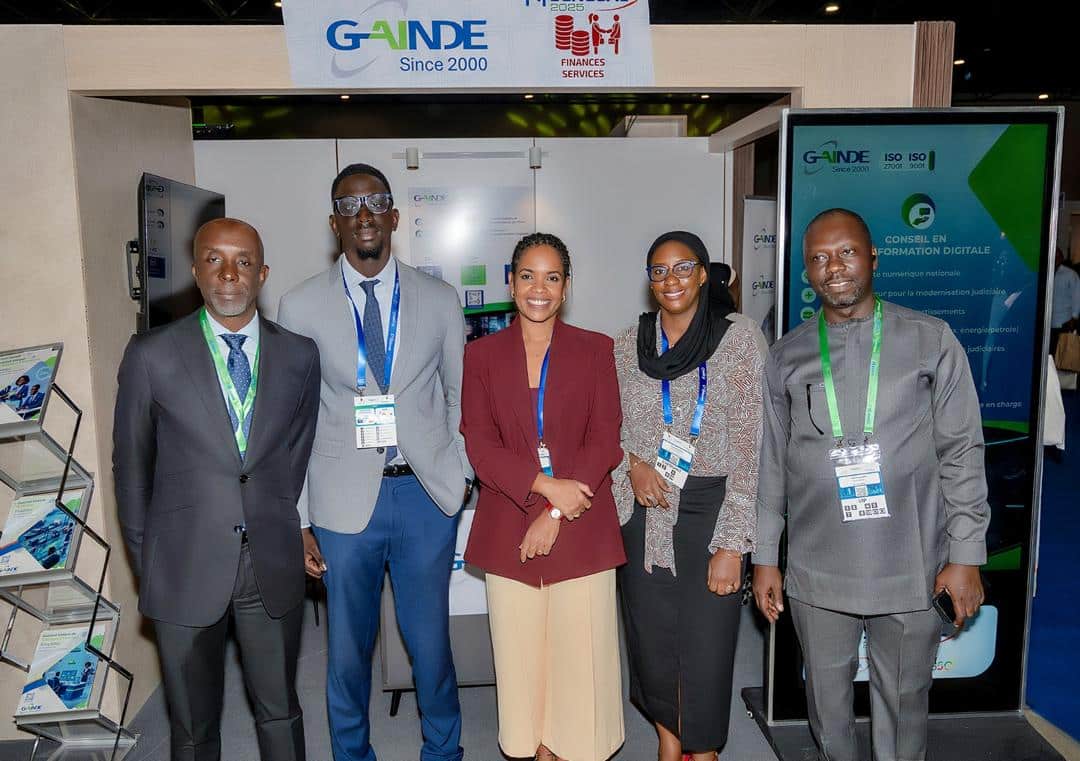
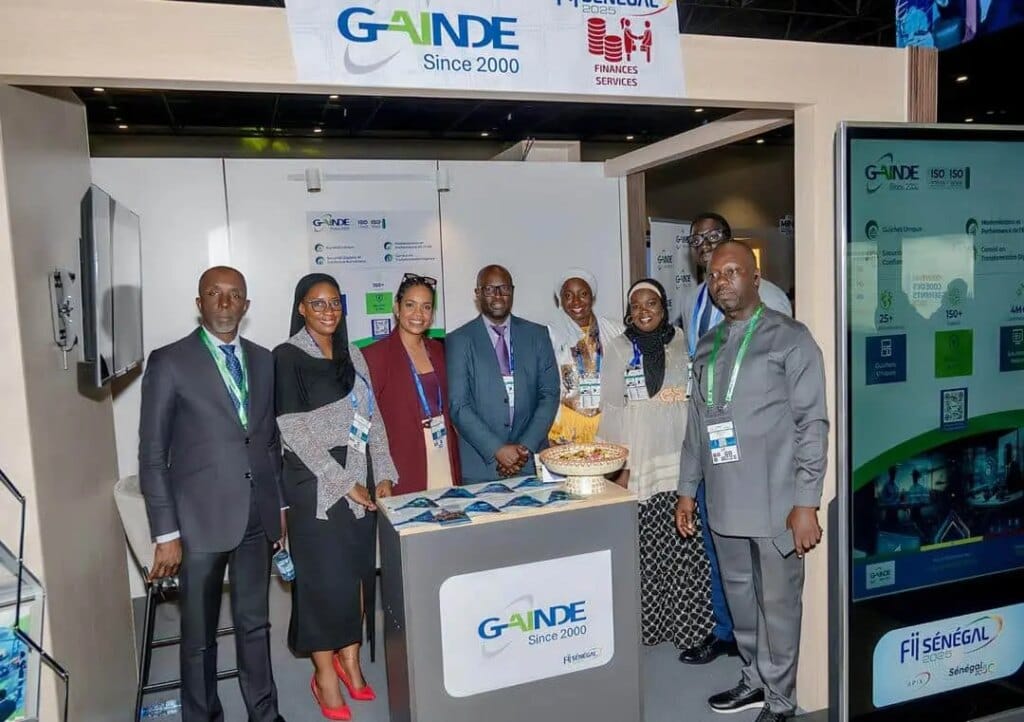
GAINDE’s actual track record deserves real credit, worth bringing in directly. Senegal’s Single Window began operations in 2004, built specifically around the country’s own institutional context rather than importing an external template — described by its own operator as “an original” model — and today, independent trade facilitation research describes the system plainly: “Today GAINDE is a well-recognized success.”
The system’s structure and expansion are worth explaining directly. Operated by GIE GAINDE 2000, a company 80% owned by Senegal’s own Customs administration, the ORBUS platform handles the country’s pre-clearance single-window declarations, later expanded into “ORBUS INFINITY,” with GAINDE’s technical team having gone on to support similar customs modernization projects in Kenya and Central Asia.
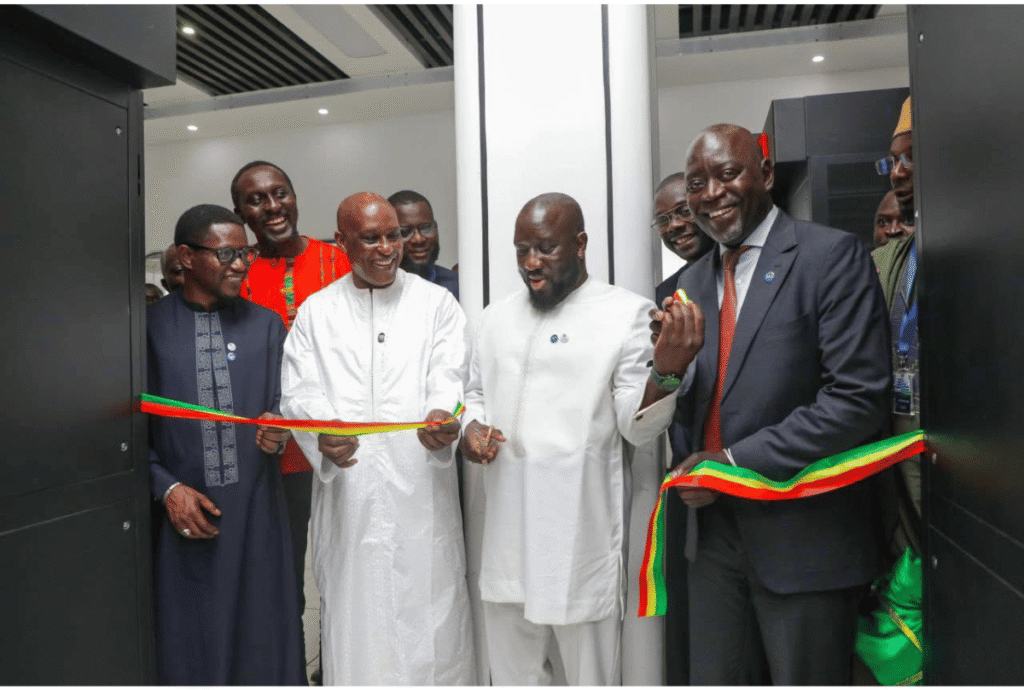
Here’s the most current expansion of this system, worth bringing in directly since it’s genuinely fresh, 2026-dated news. In July 2026, senior customs officials from Senegal and Gambia agreed, following a summit between Presidents Bassirou Diomaye Faye and Adama Barrow, to install the GAINDE Customs System at all major shared border posts — including Karang, Keur Ayib, and Selety — within three months, alongside deploying the SIGMAT electronic transit system already documented elsewhere in this blog’s coverage of the Nigeria-Benin border.
The Track Record: Where the Story Gets More Complicated
Here’s the scandal, and it deserves real precision given how it’s sourced. A report published in July 2026 by Frontline Strategic Communications — a communications firm, whose own institutional interest in the underlying case isn’t stated in the report itself — examined a specific, ongoing legal dispute tied to Senegal’s customs enforcement system.
The documented case details are worth laying out precisely, since specificity matters here. The report describes businessman Khadim Ba’s legal team filing a formal request for release on June 16, 2026, arguing that customs reports used in his case “contained materially false statements” — a request that was opposed by the prosecution and rejected by the presiding judge, despite what the report describes as “favourable expert findings” supporting the defense’s position.
It’s important to note precisely what remains unresolved, since it matters not to overstate the case’s status. As of the report’s publication, no final judicial determination had been reached, and Khadim Ba remained in detention.
The broader question this single case has been used to raise is worth including, while keeping the framing attributed rather than adopted as this piece’s own conclusion. The report argues this case, among others, raises questions “about due process, prolonged pre-trial detention and structural weaknesses in Senegal’s customs code” that it suggests may affect “investor confidence and the country’s international credibility.”
Whatever the eventual outcome of this specific case, its existence sits in real tension with GAINDE’s broader reputation as a modernization success story — a reminder that a well-functioning technical system for processing trade documentation is a separate question from whether the legal and judicial processes built around enforcing those documents’ findings are functioning fairly.
The Myth vs. The Reality
| What people assume | What actually happened |
| Senegal’s customs modernization story is uniformly positive, with no significant controversies attached to it | GAINDE’s genuine two-decade success as a trade facilitation system coexists with an active, contested legal dispute over the reliability of specific customs reports used in at least one detention case |
| The Khadim Ba case represents an established, resolved finding of customs fraud | As of the most recent available reporting, no final judicial determination had been reached, despite expert findings described as favorable to the defense |
| Reports raising due process concerns about Senegal’s customs enforcement come from neutral, independent journalistic sources | The specific report examined here comes from a communications firm, a detail worth keeping in view when weighing its framing |
| Senegal’s customs digitization and its judicial due process practices are the same system, rising or falling together | They are separate systems — one a technical trade facilitation platform, the other a judicial process for enforcing findings — and one’s success doesn’t resolve questions about the other |
Close: A System Worth Praising, and a Question Worth Watching
Senegal’s digital customs infrastructure has genuinely earned its reputation as a regional model, now expanding across an international border with Gambia in real time — but a live, unresolved legal dispute over whether the underlying customs reports that infrastructure produces can be fairly contested deserves to be tracked as its own, separate story, not folded quietly into the modernization narrative’s success.
This is the same layered honesty this blog’s Customs, Logistics & Infrastructure coverage has tried to maintain throughout — genuine technical achievement and genuine unresolved concern can exist inside the very same system, and neither one cancels the other out.

Sources and further reading.