

A Historical In-depth Discovery of Trade in West Africa Since 1896
Here’s what you need to know:
- Senegal and Mali’s transit relationship traces back to a 1963 convention granting landlocked Mali a free trade zone within Dakar and Kaolack’s ports — not 1967, correcting a commonly cited date, and giving the relationship a genuine six-decade legal foundation.
- Building on that framework, Senegal and Mali recently established ENSEMA — Senegalese-operated warehouses inside Mali — explicitly described as a logistics cooperation tool extending the 1963 convention’s spirit into permanent physical infrastructure on Malian soil.
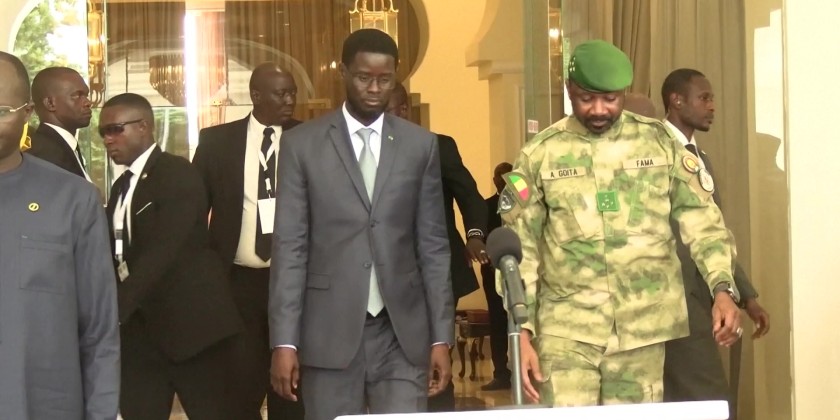
- President Bassirou Diomaye Faye’s second visit to Mali, on July 28, 2026, saw him and Malian transitional leader Assimi Goïta specifically discuss improving trade and transport along the Dakar-Bamako corridor — the same route already documented elsewhere in this blog as under active strain from JNIM’s blockade tactics.
Senegal and Mali have been formally cooperating on transit access since 1963 — before either country had even settled into its first full decade of independence. Six decades later, the two presidents are still meeting to work out the details.
Section One: Promised
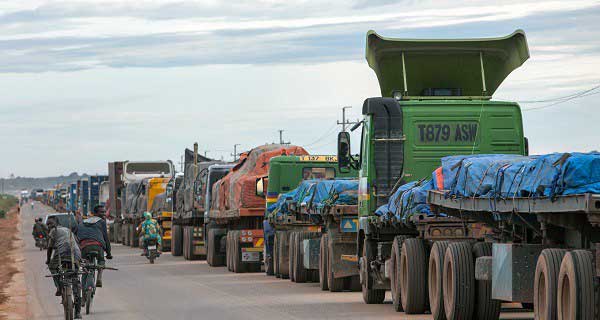
The 1963 convention is worth explaining directly, since it’s the foundation everything else builds on. The agreement granted landlocked Mali a free trade zone within the ports of Dakar and Kaolack, giving Mali permanent, legally guaranteed access to Senegal’s Atlantic coastline for its own imports and exports.
It’s worth understanding why this kind of arrangement matters so fundamentally for a landlocked country. A country with no coastline has no independent way to move goods to or from global shipping routes without another country’s cooperation — meaning a formal treaty guaranteeing port access isn’t simply a convenience, it’s the legal foundation an entire nation’s international trade capacity depends on, with everything else this blog has documented about Mali’s various transit corridors ultimately resting on frameworks like this one.
Section Two: Delivered So Far
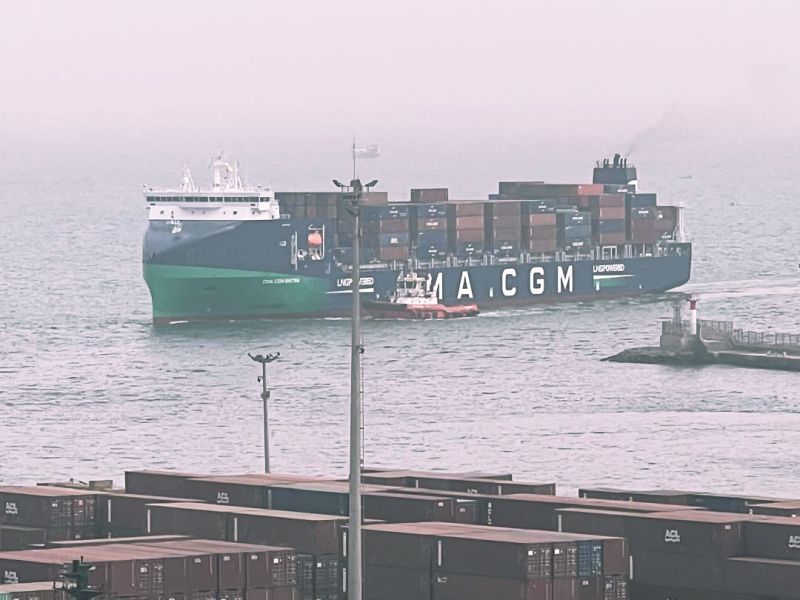
There’s a concrete, physical extension of this framework worth bringing in directly. ENSEMA, described by regional press as extending the spirit of the 1963 convention, established Senegalese-operated warehouses physically located inside Mali, offering the landlocked country permanent logistics infrastructure rather than simply port access alone.
There’s broader diplomatic momentum this sits inside, worth noting since it shows sustained engagement rather than a single isolated gesture. President Faye’s July 2026 visit to Mali was specifically his second since taking office, described by regional press as taking place “under the sign of fraternity, dialogue and solidarity,” with both leaders reaffirming what they called the “historic links” between the two countries..
Section Three: Still Pending
Here’s what the two leaders actually discussed as still requiring work, worth bringing in since it’s the section’s central fact. During the July 28, 2026 visit, Faye and Goïta specifically discussed improving trade and transport “particularly along the strategic Dakar-Bamako corridor,” described directly as “a vital route for Mali’s imports and exports” — language indicating this remains an active, unresolved negotiation rather than a settled achievement.
There’s a broader geopolitical framing this cooperation exists inside, worth including for context. Regional commentary described the visit as “a real test of political maturity” for Senegal’s president, noting ECOWAS itself “still dreams of seeing AES countries return one day” to the bloc — meaning Senegal’s bilateral outreach to Mali plays out against the backdrop of ECOWAS’s own broader, still-unresolved reconciliation effort with AES, already documented in this blog’s earlier coverage.
The Scandal: The Corridor They’re Trying to Fix Is Already Under Siege
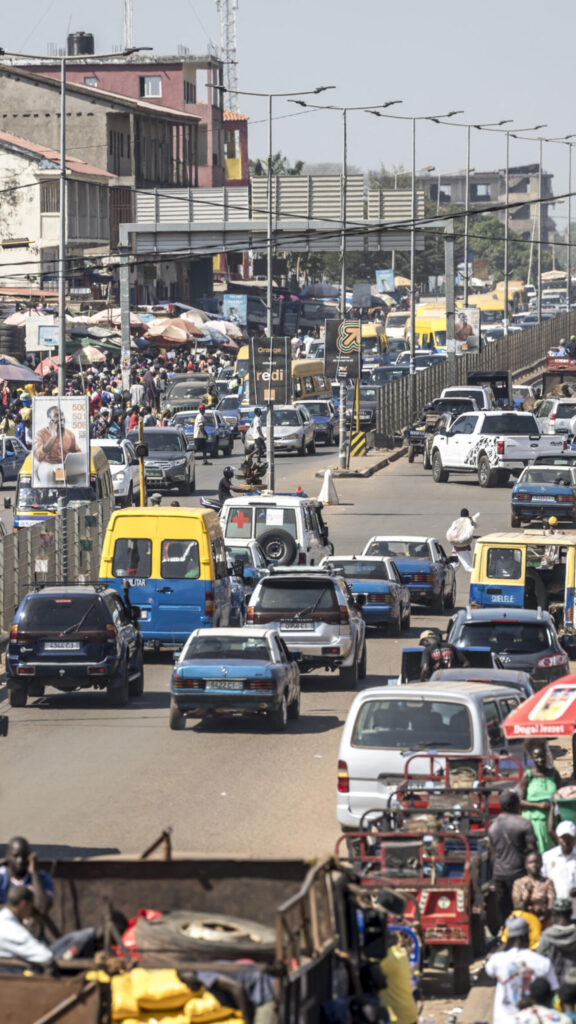
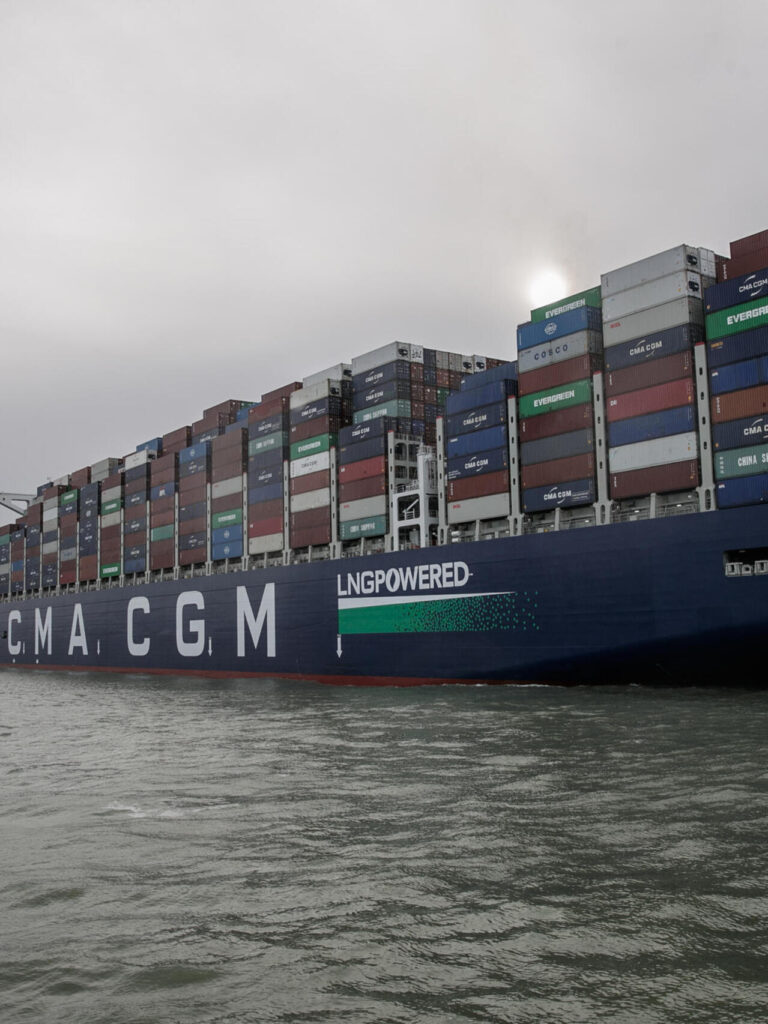
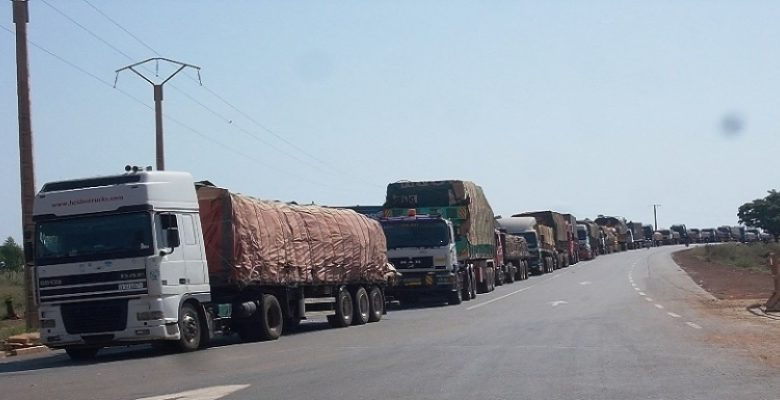
Here’s the direct connection to material already extensively documented elsewhere in this blog, worth introducing since it’s the piece’s central and most consequential context. The exact Dakar-Bamako corridor Faye and Goïta discussed improving is the same route already documented in this blog as having been actively strangled by JNIM’s insurgent blockade tactics since September 2025, with over 2,000 containers stranded in Dakar and roughly 4,000 empty containers stuck in Bamako by early 2026.
This complicates any straightforward “diplomatic progress” reading of this renewed cooperation, worth stating precisely. Two presidents meeting to discuss improving a trade corridor’s transit terms is a genuine, constructive diplomatic step — but it doesn’t, by itself, address the specific security crisis already documented as the primary reason that corridor has been effectively paralyzed for months, meaning any new transit guarantees negotiated now would still need to contend with an active insurgency neither government fully controls.
There’s an alternative route already documented as Mali’s response to this exact vulnerability worth bringing in, since it shows the two governments aren’t relying solely on renewed Senegal-Mali cooperation to solve this problem. This blog has already covered the $800 million Saint-Louis-Ambidédi river corridor project, explicitly framed by outside analysts as a “geopolitical bypass” designed to reduce Mali’s dependence on exactly this kind of road-based transit vulnerability.
Renewing and expanding a 63-year-old bilateral transit framework is a genuinely constructive diplomatic effort, but its practical value depends entirely on whether the underlying corridor is actually secure enough to use — and as of the most recent documented reporting, that security question remains substantially unresolved, regardless of how warmly the two presidents describe their cooperation.
The Myth vs. The Reality
| What people assume | What actually happened |
| Senegal and Mali’s transit cooperation framework dates to a 1967 agreement | The foundational agreement dates to 1963, according to regional press coverage |
| President Faye’s July 2026 visit resolved the practical transit challenges already documented elsewhere in this blog’s coverage of the Dakar-Bamako corridor | The visit specifically identified corridor improvement as an ongoing discussion topic, not a resolved outcome |
| The Dakar-Bamako corridor’s security situation is unrelated to this renewed bilateral cooperation | The corridor’s underlying security crisis, already documented in this blog’s earlier coverage, remains substantially unaddressed by the diplomatic talks alone |
| Senegal-Mali cooperation exists independently of the broader ECOWAS-AES reconciliation process | Regional commentary directly frames the visit as a test of political maturity within that same broader, unresolved reconciliation context |
Close: Renewing an Old Promise Doesn’t Fix a New Problem
Senegal and Mali’s transit relationship has genuine, six-decade institutional depth, and the recent ENSEMA warehouse initiative shows real, physical follow-through on that historical foundation — but renewing diplomatic commitment to a corridor doesn’t, by itself, resolve the specific insurgent threat already documented elsewhere in this blog as the actual cause of that corridor’s recent paralysis.
This is the same throughline running through nearly every piece of this blog’s Sahel-focused Customs, Logistics & Infrastructure coverage — genuine, long-standing institutional cooperation between neighboring governments, sitting alongside security realities that diplomatic warmth alone has not yet been able to resolve.
Sources and further reading.