

A Historical In-depth Discovery of Trade in West Africa Since 1896
Here’s what you need to know:
- The WTO’s Appellate Body — the top tier of its dispute settlement system — has been effectively paralyzed since 2019, when the United States began blocking the appointment of new members, a blockade that had been attempted and rejected over 90 times as of late 2025.
- The practical consequence is severe: any country that loses a WTO panel ruling can now appeal it “into a void,” since no functioning Appellate Body exists to actually hear that appeal, leaving the case suspended indefinitely with no binding resolution.
- A workaround exists — the Multi-Party Interim Appeal Arbitration Arrangement, joined by 34 WTO members as of 2026 — but the United States isn’t among them, and only two cases have been fully adjudicated through it since its 2020 founding, suggesting even the fix for the broken system remains barely used.
This isn’t really a story about whether WTO dispute mechanisms are well-suited to AES-ECOWAS tariff conflicts specifically. It’s a story about whether WTO’s core enforcement system currently works for anyone at all — a much bigger, more foundational problem that would apply to any dispute brought before it today.
Symptom, The Repair, and the Track Record — explaining what actually happened to the system that’s supposed to referee exactly this kind of trade conflict.
Symptom: What the WTO Dispute System Was Actually Built to Do
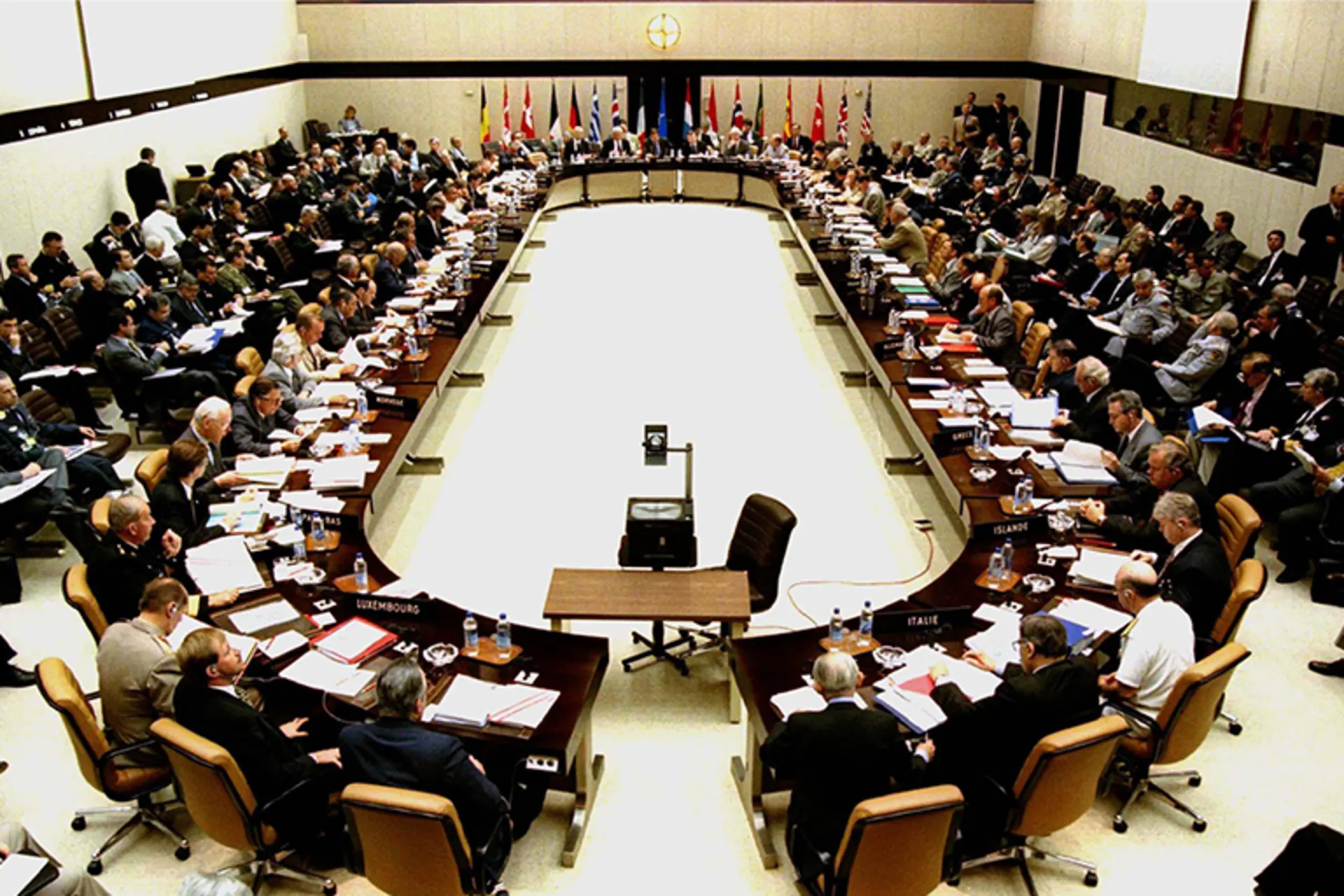
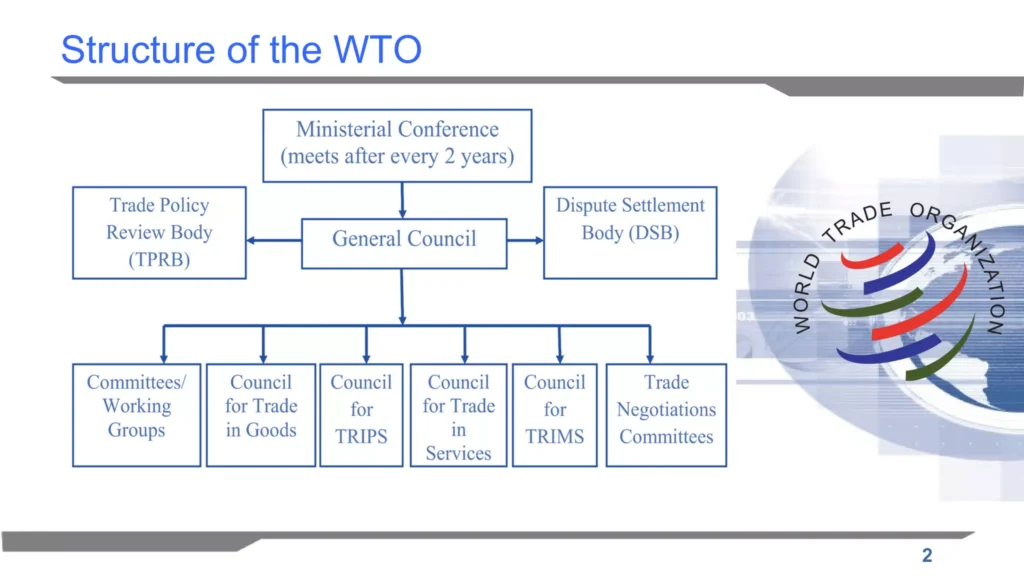
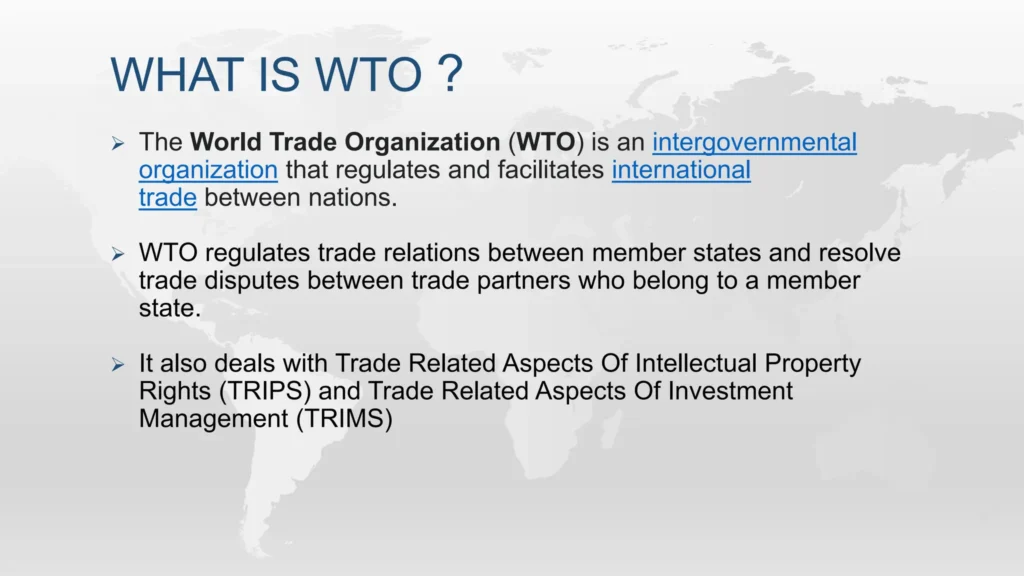
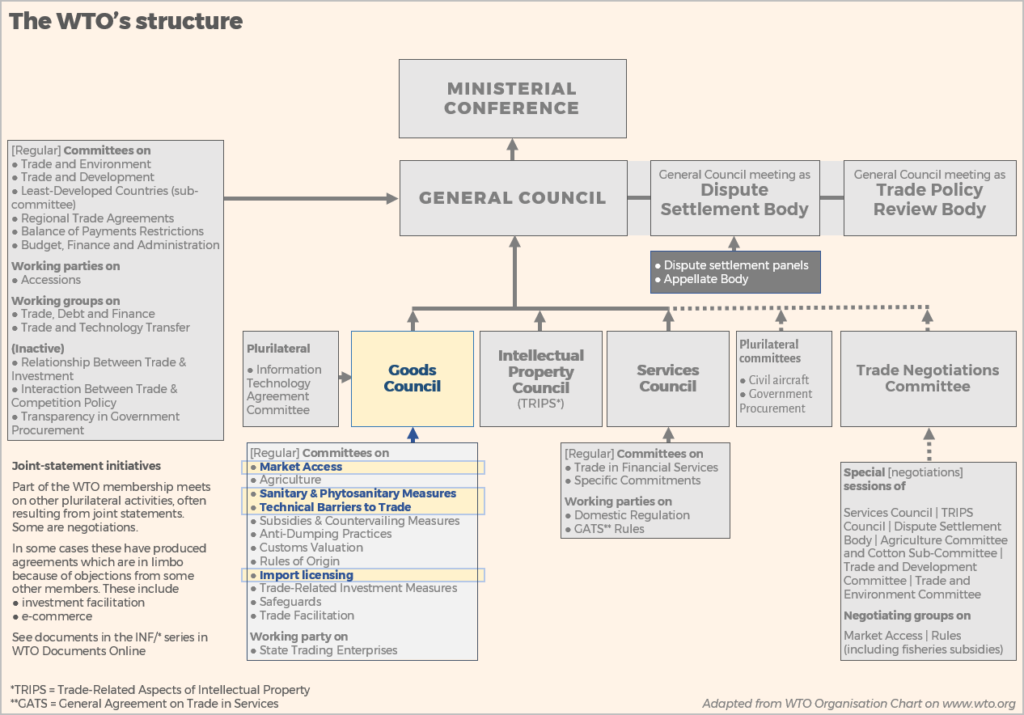
The WTO’s dispute settlement system is worth explaining directly, since it’s worth understanding what it was originally designed to accomplish. Established as one of the central achievements of the 1994 Uruguay Round negotiations that created the WTO itself, the system was meant to let member governments formally challenge trade practices they believed violated agreed-upon rules, with panel rulings and a further Appellate Body layer providing binding, enforceable resolution.
It’s worth explaining why a functioning appellate layer matters so much for trade disputes specifically. An initial panel ruling can be appealed by either side if they believe the panel misapplied the relevant trade rules — without a functioning body actually available to hear that appeal, a losing party can simply file the appeal and effectively freeze the entire case indefinitely, since the original panel ruling doesn’t become binding until the appeal process concludes.
There’s a genuine historical track record before this dysfunction set in, worth crediting real accomplishment. Since 1995, over 350 rulings have been issued through the WTO’s dispute settlement system, describing it, in the words of the WTO’s own materials, as “one of the most active international dispute settlement mechanisms in the world.”
The Repair: What Actually Broke, and When
The specific breakdown is worth bringing in directly. During the first Trump administration, the United States began blocking the appointment of new Appellate Body members whenever existing members’ terms expired, arguing the body had overstepped its authority by effectively creating new legal obligations rather than simply interpreting existing trade agreements.
The scale of this blockade is worth including precisely. A coalition of roughly 130 WTO members has attempted, without success, to restart the Appellate Body member selection process dozens of times, with the proposal blocked over 90 times as of late 2025.
Here’s the practical consequence, worth making explicit since it’s the piece’s central point. With no functioning Appellate Body available, any country that loses a panel ruling can appeal it “into a void” — the case then sits in indefinite limbo, since there’s no body actually available to hear and resolve that appeal.
The Track Record: The Workaround, and How Little It’s Actually Been Used
The Multi-Party Interim Appeal Arbitration Arrangement is worth introducing directly, since it’s the system’s own attempted fix. A coalition of WTO members, including the European Union, China, Canada, Australia, Brazil, Japan, and the United Kingdom, created this alternative arbitration mechanism specifically to provide a working substitute for the paralyzed Appellate Body, with membership reaching 34 countries as of 2026.
There’s a specific, striking usage statistic worth including directly, since it shows the workaround itself remains far from a genuine solution. Only two cases had been fully adjudicated through the MPIA between its founding on April 30, 2020, and the end of 2025 — a remarkably small number for a mechanism meant to substitute for a core piece of global trade infrastructure across roughly five years of availability.
There’s a specific, consequential absence from this workaround worth noting. The United States is notably absent from the MPIA, meaning the world’s largest single economy remains entirely outside both the original broken Appellate Body system and its own members’ attempted replacement.
The Scandal: What This Means for a Dispute Like AES-ECOWAS’s
Here’s the direct application to this piece’s actual topic, worth making explicit since it’s worth being precise about what this broken system means for any regional tariff conflict, AES-ECOWAS included. Any formal WTO dispute arising from AES’s new tariff structure, its exit from ECOWAS’s common external tariff, or related conflicts would, if it reached the appeal stage, run directly into exactly this same structural paralysis — a functioning first-tier panel ruling, with no reliable path to a binding final resolution if either side chooses to appeal.
There’s a genuine alternative venue this creates real incentive to consider instead, worth including as a substantive point. AfCFTA maintains its own separate Dispute Settlement Mechanism, established under a dedicated protocol, with its own Adjudicating Panels and a seven-member Appellate Body designed specifically for disputes between African state parties — a continent-specific alternative that, unlike the WTO’s system, isn’t currently paralyzed by a single member’s blocking power.
Describing renewed “scrutiny” of whether WTO mechanisms suit AES-ECOWAS tariff conflicts risks understating the real problem. The scrutiny that actually matters is whether WTO’s dispute system currently functions as binding, enforceable trade law for anyone, a question with a documented, troubling answer that predates and extends well beyond this specific regional dispute.
The Myth vs. The Reality
| What people assume | What actually happened |
| The WTO’s dispute settlement system remains a fully functional, binding mechanism capable of resolving trade conflicts like those emerging from AES’s ECOWAS exit | The WTO’s Appellate Body has been non-functional since 2019, with over 90 blocked attempts to restart member appointments, meaning appealed rulings can sit in indefinite limbo |
| The Multi-Party Interim Appeal Arbitration Arrangement has effectively restored binding appellate review to the WTO system | The MPIA, while genuinely operational, had produced only two fully adjudicated cases across five years of availability, with the United States notably absent from its membership |
| Any WTO dispute involving AES-ECOWAS tariff conflicts would be a novel test of untested legal territory | It would run into the same, already well-documented structural paralysis affecting every WTO dispute that reaches the appeal stage, regardless of subject matter |
| AfCFTA’s own dispute settlement mechanism is simply a redundant alternative to the WTO system | It represents a genuinely separate, currently unparalyzed venue specifically designed for disputes between African state parties |
Close: The Real Question Isn’t Whether WTO Fits This Dispute — It’s Whether WTO Works At All
Any renewed attention to whether WTO dispute mechanisms can handle AES-ECOWAS tariff conflicts is really surfacing a much larger, already well-documented problem — a global trade enforcement system whose top appellate tier has been effectively frozen for years, regardless of which specific dispute happens to be under discussion.
This connects directly to the pattern already extensively documented across this blog’s Customs, Logistics & Infrastructure coverage — regional trade frameworks, tariff structures, and dispute mechanisms all sound authoritative in name, but the actual, functional capacity behind that authority deserves the same close scrutiny this blog has already applied to Nigeria’s own headline fiscal figures and ECOWAS’s own convergence criteria reporting.
Sources and further reading.