
A Historical In-depth Discovery of Trade in West Africa Since 1896
Here’s what you need to know:
- Woodside Energy achieved first oil at Senegal’s Sangomar field in June 2024, a $5 billion deepwater project where the Australian operator holds 82% of the joint venture and Senegal’s state oil company, Petrosen, holds just 18%.
- Under the production sharing contract, Woodside’s own CEO confirmed 75% of revenues go toward cost recovery first, with only the remaining 25% shared between the company and the Senegalese government in the project’s early years.
- The scandal: within months of taking office, Senegal’s newly elected government declared the contracts signed under the previous administration “very unfavorable” to Senegal, launched a formal audit commission, and by 2026 had terminated several petroleum block agreements — a claim the former government and most sector experts have consistently disputed.
Woodside’s CEO called the Sangomar deal a source of genuine shareholder value and a milestone worth celebrating. Senegal’s new government calls the same deal “very unfavorable” to the country that owns the oil. Both can’t be describing a deal that’s actually working as intended for everyone involved.
Symptom: What Senegal Actually Needed From This Discovery
Senegal’s underlying economic position is worth explaining directly, since it frames why this resource mattered so much. Senegal ranks among the twenty-five least developed countries in the world, and its government has explicitly framed offshore oil and gas revenue as a genuine opportunity for economic transformation.
It’s worth explaining what a production sharing contract actually does, since it’s worth understanding plainly for readers unfamiliar with the mechanism. Rather than a government simply taxing a foreign operator’s revenue, a PSC divides the oil itself (or its value) between the company and the state according to a formula — typically letting the operator first recover its capital investment from a share of production before the remaining “profit oil” gets split between company and government, meaning the state’s real financial benefit is often backloaded until after costs are recovered.

The Repair: What Actually Got Built and Signed
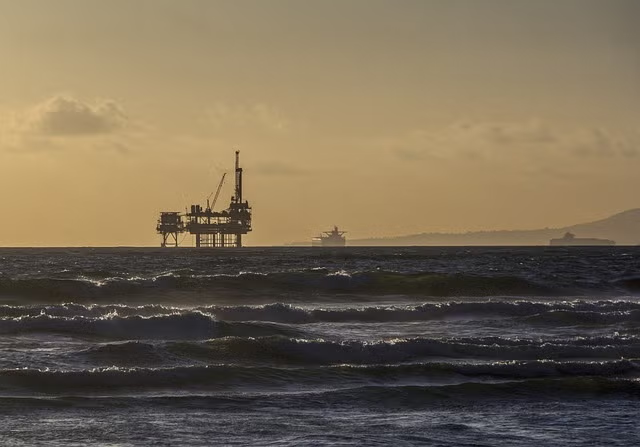
The project’s origin and scale are worth bringing in directly. Discovered roughly a decade before production began, the Sangomar Field Development Phase 1 became a $5 billion deepwater project, developed through the Rufisque Offshore, Sangomar Offshore and Sangomar Deep Offshore joint venture, with Woodside as operator holding 82% and Petrosen holding 18%.
There’s a specific financial structure this created worth stating precisely. Woodside invested more than $420 million in capital expenditure between October 2023 and March 2024 alone, and separately extended a credit line of up to $450 million to Petrosen specifically to help fund the state company’s own 18% share of project costs.
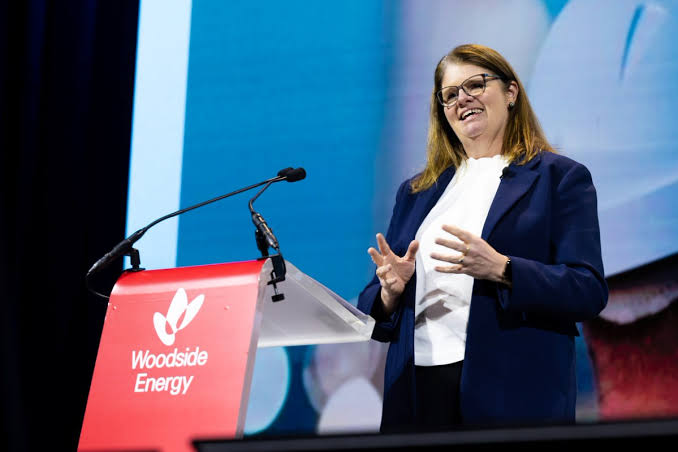
Woodside CEO Meg O’Neill’s own description of the revenue split is worth quoting directly, since it’s the exact structure the new government would later challenge. O’Neill stated that 75% of revenues would go toward cost recovery, with the remaining 25% shared between the company and the government, on which corporate income and branch taxes would then be applied.
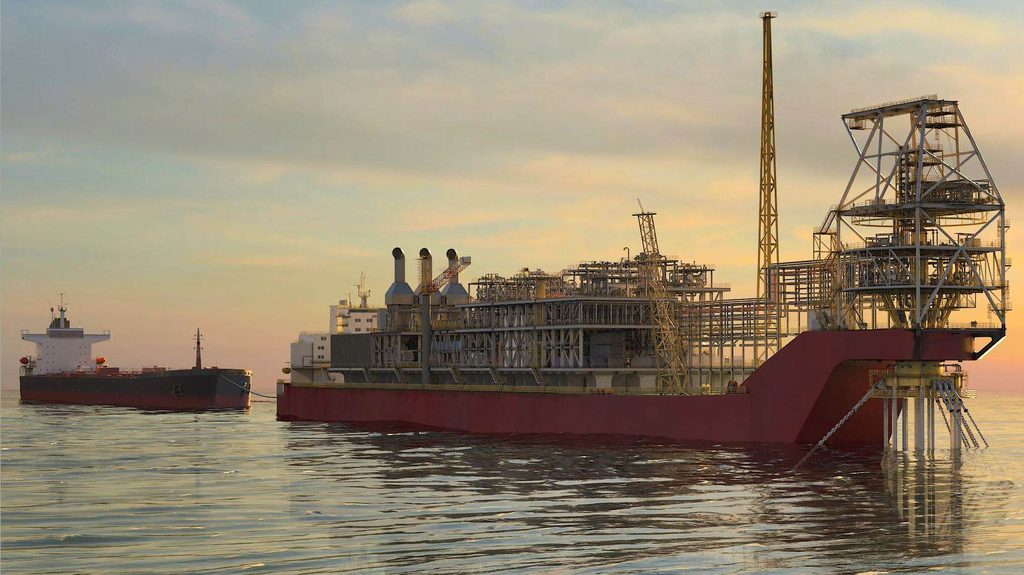
There’s the achievement of first oil itself worth including, since it’s a genuine milestone. Woodside achieved first oil from Sangomar in June 2024, with the Léopold Sédar Senghor FPSO reaching a peak gross rate of 100,000 barrels per day, and initial cargoes successfully delivered to both European and Asian markets.
The Track Record: What the New Government Found When It Looked Closer
Here’s the piece’s central turning point. Bassirou Diomaye Faye won Senegal’s presidency in a landslide in March 2024, taking office just months before Sangomar’s first oil, having campaigned explicitly on a promise to review and, if necessary, renegotiate the country’s energy contracts.
The formal action this promise produced is worth bringing in. Faye ordered a comprehensive review of the mining, oil, and gas sectors just a day after his swearing-in, and Prime Minister Ousmane Sonko formally announced a specialized commission on August 19, 2024, tasked with reviewing agreements and working to “rebalance them in the national interest.”
Sonko’s own confrontational framing of this effort is worth quoting directly, since it shows the political stakes involved. Sonko, during the campaign, had attacked what he called “self-conscious intellectuals” who “make people believe that it is impossible to renegotiate” these contracts — signaling from the outset that this wasn’t going to be a quiet technical review.
There’s a genuinely contested nature to the underlying claim, worth including since fairness requires both sides. Petrosen’s own published data, alongside documents shared with the Extractive Industries Transparency Initiative, indicated up to 60% of future oil and gas revenues would go to the Senegalese state — a figure the previous government and most sector experts cited to argue the deal was reasonable, directly contradicting the new administration’s “very unfavorable” characterization.
The Scandal: What Actually Changed, and What Legal Limits Got in the Way
There’s concrete legal action already underway involving Sangomar specifically, worth including since it shows real friction beyond political rhetoric. Woodside filed formal action with the High Court of Dakar disputing a tax assessment from Senegalese authorities, with the majority of the disputed claims relating to a tax exemption that had applied during the project’s development phase.
The expert warning about the legal limits of renegotiation is worth including directly, since it complicates the government’s stated ambitions. Ibrahima Bachir Drame, former communications manager of Petrosen, noted that “explicit renegotiation clauses do not exist in oil contracts,” only “clauses that regulate potential disputes” — meaning the government’s campaign promise to renegotiate ran directly into contracts that were never legally designed to be reopened on demand.
There’s what the government actually managed to change worth including, since the outcome by 2026 was more limited than the original rhetoric suggested. Rather than renegotiating Sangomar’s core terms directly, Senegal instead terminated concessions for several smaller petroleum blocks and declared a new approach to future contracts entirely, with Sonko stating plainly in March 2026, “We are no longer operating under a model where we sign concessions with partners and then meet again in 25 years.”
Nearly two years after taking office on a promise to fix “very unfavorable” contracts, Senegal’s government had not fundamentally renegotiated the flagship Sangomar deal itself — legally difficult to reopen, according to industry experts — and instead redirected its reform energy toward smaller blocks and future contract design, while the underlying disagreement over whether Sangomar’s original terms were ever actually unfair to Senegal remains genuinely unresolved.
The Myth vs. The Reality
| What people assume | What actually happened |
| Senegal’s new government successfully renegotiated the core terms of the Sangomar oil deal after declaring it unfavorable | Legal experts note oil contracts typically lack explicit renegotiation clauses, and concrete government action by 2026 focused on smaller block terminations and future contract policy rather than reopening Sangomar’s core terms |
| There is broad, uncontested agreement that the contracts signed under the previous Senegalese government shortchanged the country | Petrosen’s own EITI-shared data indicated up to 60% of future revenues would flow to the state, a claim the previous government and most sector experts maintained throughout the dispute |
| Woodside’s project has faced no legal or regulatory friction from the Senegalese government beyond the political renegotiation rhetoric | Woodside separately filed formal action with the High Court of Dakar disputing a specific tax assessment from Senegalese authorities |
| The revenue split under the production sharing contract sends most early profits directly to the Senegalese government | Woodside’s own CEO confirmed 75% of revenues go toward cost recovery first, with only 25% shared between company and government in early years |
Close: A Deal Two Governments Read Completely Differently
Senegal’s oil story genuinely offers two defensible readings at once — a $5 billion deepwater project that delivered real production on schedule and real export revenue starting in 2024, and a contract structure a newly elected government considers so unfair it built an entire audit commission around challenging it.
This is the same throughline running across nearly every resource extraction story this blog has covered, from Niger’s uranium to Guinea’s iron ore — genuine infrastructure achievement and genuine disputes over fairness aren’t mutually exclusive, and whichever government negotiated the original terms rarely gets the last word on whether they were actually fair.
Sources and further reading.