

A Historical In-depth Discovery of Trade in West Africa Since 1896
Here’s what you need to know:
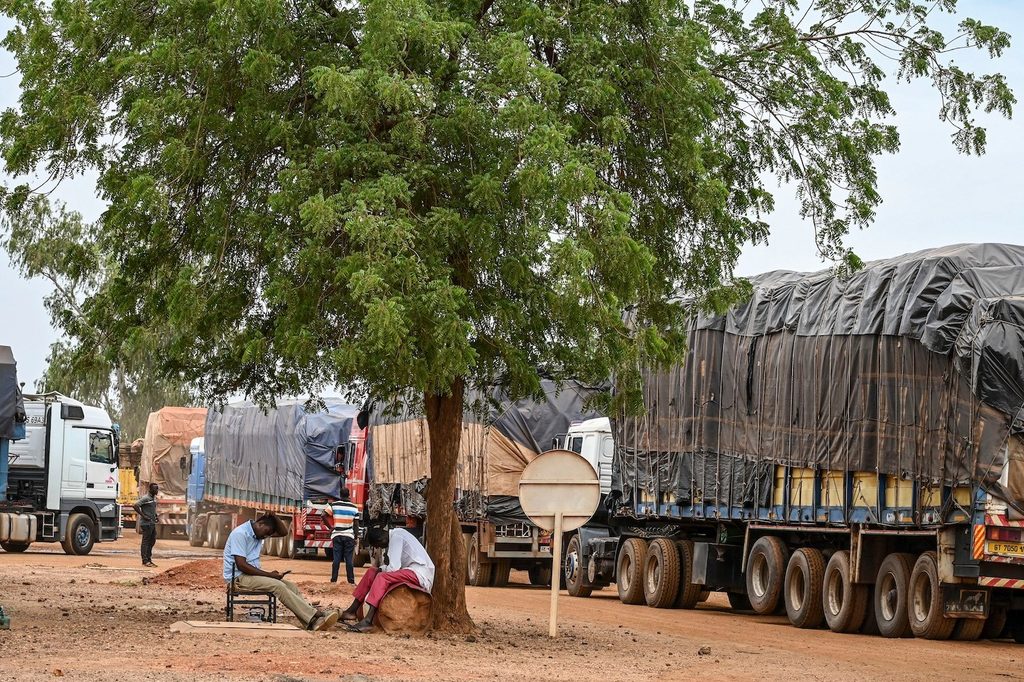
- After Niger’s military government announced on November 30, 2025 that it would sell Somaïr’s uranium on international markets, a convoy of roughly 34 trucks carrying over 1,000 tonnes of yellowcake left Arlit for Lomé — but the shipment was suspended before reaching Togo, and the trucks have sat parked at Niamey’s Airbase 101 for weeks.
- The scandal: that same storage site, adjacent to Niamey’s international airport, was the target of a surprise ISIS attack in late January 2026, raising serious new security concerns about radioactive material sitting exposed at a military base under direct militant threat.
- With Orano formally condemning the shipment as an “illegal” breach of a September 2025 ICSID ruling in its favor, and no confirmed buyer secured despite reported interest from Russia, Romania, and Iran, the stockpile remains genuinely stuck — Foreign Policy described the situation as “a case study in how the new international system now works.”
This isn’t the story of uranium that successfully reached Lomé and got sold. It’s the story of a convoy that got partway there, then simply stopped — and has been sitting, going nowhere, for weeks.
Section One: Promised
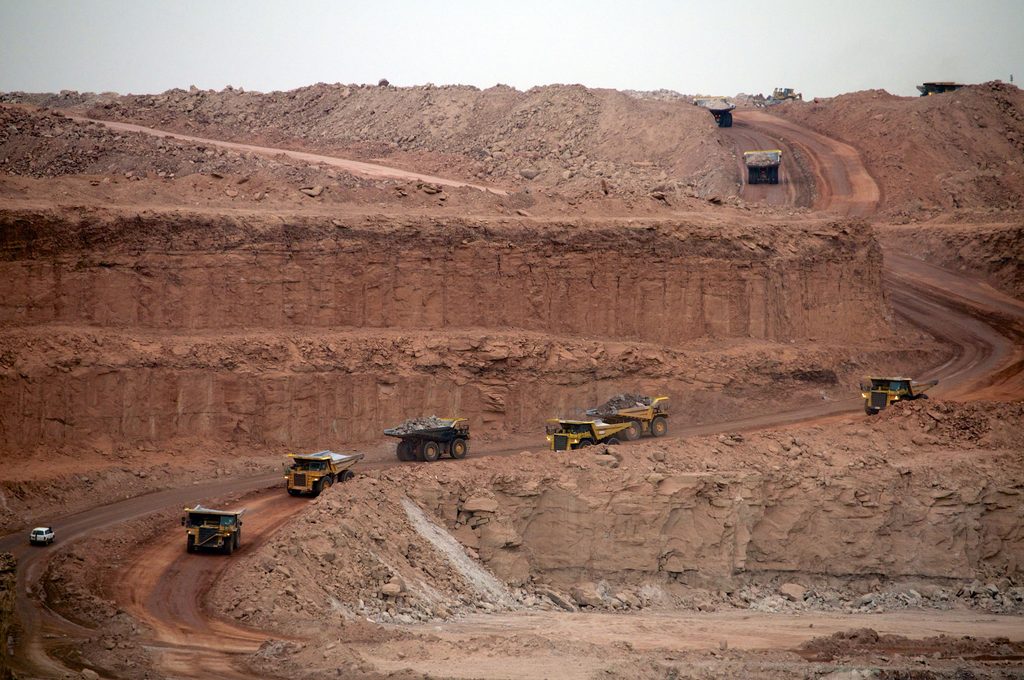
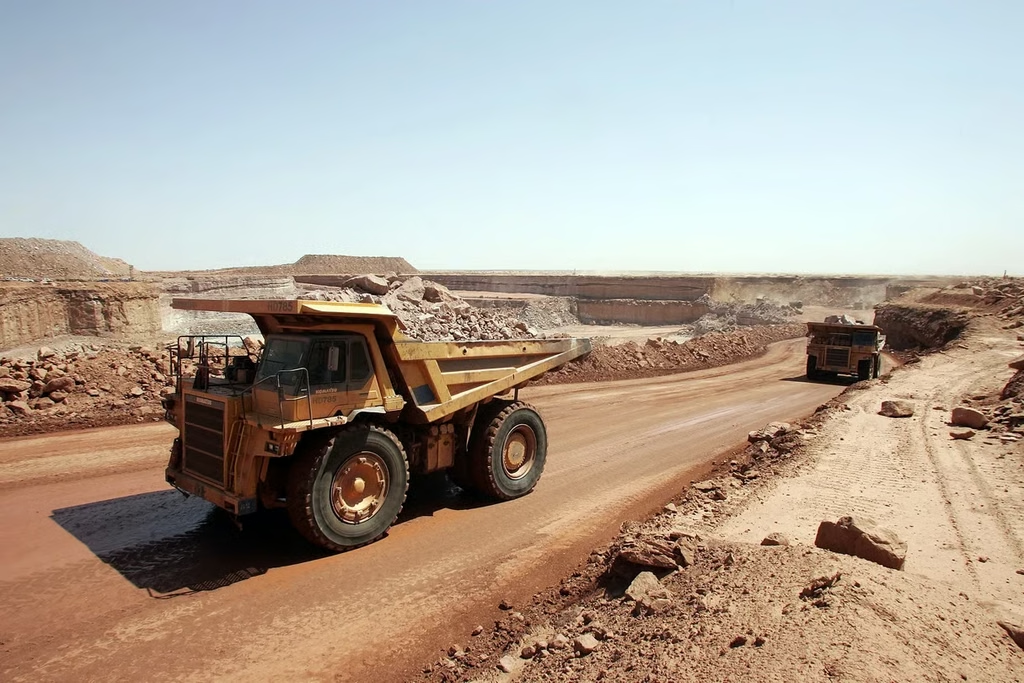
The announcement that started this specific chapter is worth bringing in directly. On November 30, 2025, Niger’s military government announced it would place uranium produced by Somaïr — the Orano subsidiary nationalized in June 2025 — onto the international market, following procedures Orano had already declared illegal.
It’s worth explaining why this specific stockpile even existed in the first place, since it connects to material already covered. The uranium in question traces back to the closure of Niger’s export corridor through Benin following the July 2023 coup, already documented elsewhere in this blog, which left over a thousand tonnes of concentrate stranded without a route to market — meaning this specific uranium had already been sitting immobilized for roughly two years before the November 2025 sale announcement.
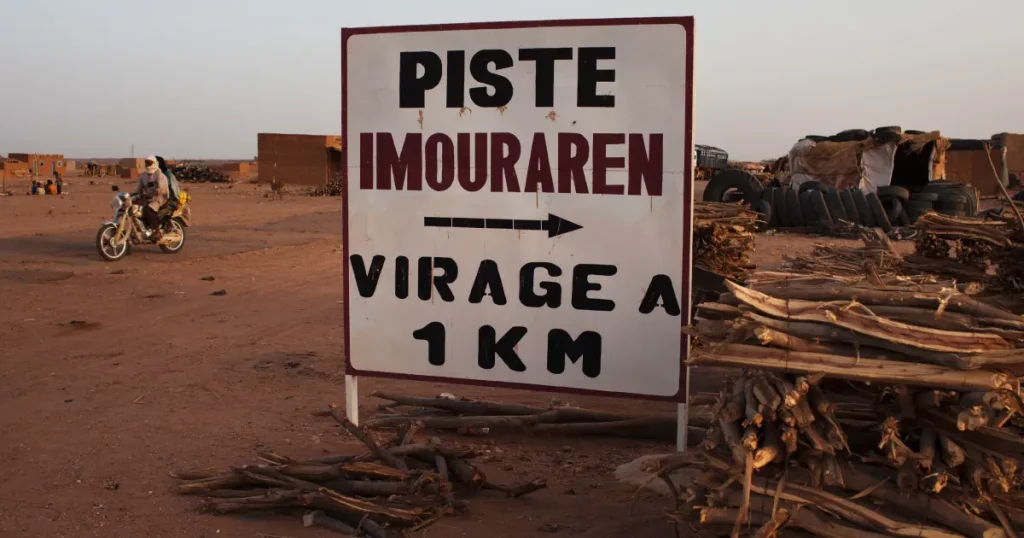
The planned route is worth noting directly. Reporting indicated the convoy would travel from Arlit, through Burkina Faso, to the Port of Lomé in Togo — a journey of nearly 1,500 kilometres through three countries, portions of which pass through areas affected by jihadist insurgent activity.
Section Two: Delivered So Far
What actually happened with the convoy is worth bringing in directly. Roughly 34 trucks, escorted by soldiers and mercenaries, were observed departing the Arlit mining site, successfully making the journey as far as Niamey, Niger’s capital.
There’s diplomatic groundwork that preceded this movement worth noting, since real institutional engagement occurred. Togolese President Faure Gnassingbé traveled to Niamey in early December 2025, before the convoy’s continued movement toward Lomé was suspended, with Orano representatives separately traveling to Lomé around November 27 specifically to discuss “the necessity of finding a coordinated solution” with Togolese authorities.
Section Three: Still Pending
Here’s precisely where the convoy actually stands now, worth explaining since it’s the section’s central fact. More than 1,000 metric tons of yellowcake uranium currently sit at Airbase 101, adjacent to Niamey’s international airport, loaded onto trucks that, according to reporting, “have not moved in weeks.”
There’s Togo’s own documented hesitation worth including, since it shows the transit isn’t simply a matter of Niger’s decision alone. A Sahel security analyst noted that Togo “would like a negotiated outcome” before accepting the cargo, suggesting Lomé itself isn’t simply waiting to receive the shipment unconditionally.
There’s an absence of a confirmed buyer despite months of reported interest, worth noting. Niger’s Mining Minister, Ousmane Abarchi, stated in May 2026 that “certain companies and certain countries” had expressed interest, describing ongoing discussions with “serious” buyers — without naming any of them publicly.
The Scandal: The Red Flags
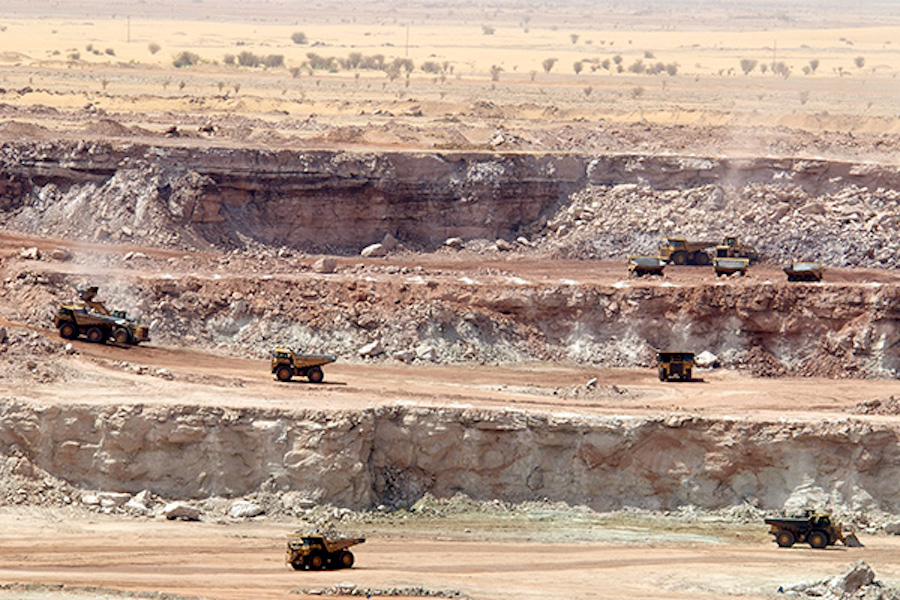
Here’s the piece’s most serious and previously undocumented finding. The storage site holding this uranium became the target of a surprise assault by ISIS-affiliated fighters in late January 2026, with the militant group later claiming responsibility for an attack it said targeted drones stationed at the base.
It’s worth stating the stakes plainly. Over a thousand tonnes of radioactive material was sitting at a military installation that militant fighters were able to successfully attack — a genuinely serious security concern layered on top of the existing legal and diplomatic standoff.
There’s a competing-buyer dimension worth bringing in directly, since it shows the material’s political stakes extending well beyond Niger and France. While Russia is widely suspected as the primary intended buyer, more recent reporting from Jeune Afrique and MDMG Sahel indicates a Romanian company has positioned itself to purchase roughly one-third of the immobilized stockpile, with separate reporting suggesting Iranian interest in the material as well.
Orano’s own formal condemnation is worth quoting directly, since it states the company’s position precisely. Orano stated it “strongly condemns” the shipment, clarifying that having lost operational control of its Niger mines since December 2024, the company has “no official information on the quantity of uranium transported, its final destination, or the conditions under which this transport was undertaken in terms of safety and security” — and specifically noted the shipment breaches the ICSID arbitration tribunal’s September 23, 2025 ruling in Orano’s favor.
There’s one documented gesture toward de-escalation worth including fairly. In a February 2026 television interview, General Abdourahamane Tiani stated he was prepared to “send” France roughly 100 tonnes of uranium specifically representing the portion found by Nigerien forces upon taking power in 2023 — a partial concession Orano reportedly viewed as “the beginnings of a possible discussion.”
A stockpile worth an estimated €250 million (with related valuations from Orano itself ranging toward $240 million or roughly €300 million for adjacent stockpiles) sits parked at a recently attacked military base, legally contested by an international arbitration ruling, diplomatically stalled by Togo’s own caution, and commercially uncertain amid competing reported interest from Russia, Romania, and Iran — genuinely stuck in every dimension at once.
The Myth vs. The Reality
| What people assume | What actually happened |
| Niger’s seized uranium successfully reached Lomé and was sold on international markets following the November 2025 announcement | The convoy stopped short of Lomé and has sat immobilized at a Niamey military base for weeks |
| The stockpile’s transit dispute is purely a legal and diplomatic matter between Niger and Orano | The storage site was directly attacked by ISIS-affiliated militants in January 2026, adding a serious security dimension to what began as a legal and commercial dispute |
| Russia is the confirmed, sole buyer for the stranded uranium | Reports indicate Romanian and Iranian interest as well, with no buyer publicly confirmed by Niger’s own government |
| Togo has been a willing, unconditional destination for the contested shipment | Reporting indicates Togo itself wants a negotiated outcome before accepting the cargo |
Close: Sovereignty Doesn’t Guarantee a Buyer, or Safety
Niger’s junta has genuine legal authority, by its own government’s account, over uranium sitting on its own soil — but authority hasn’t translated into an actual completed sale, a secured route to market, or protection from the exact kind of militant threat already destabilizing the wider region.
This is the sharpest possible illustration of a pattern this blog’s Niger uranium coverage has traced from the very beginning — political control over a resource and the practical ability to move, sell, and protect it are two entirely different achievements, and this stockpile, sitting exposed at an already-attacked military base, currently has neither fully resolved.
Sources and further reading.