

Here’s what you need to know:
- Efunroye Tinubu built one of nineteenth-century Lagos’s most formidable trading empires, monopolizing palm oil and, for much of her career, the slave trade itself, using marriages and political alliances to expand her commercial reach across Badagry, Lagos, and Abeokuta.
- In 1856, she was forcibly exiled from Lagos at gunpoint after organizing a plot against British Consul Benjamin Campbell — a conflict popular retellings often frame as pure anti-colonial resistance.
- The scandal: her scholarly biography documents that Campbell’s real grievance was her continued illegal slave trading with European and Brazilian buyers after Britain had already outlawed the trade — and a separate documented incident, the “Amadie-Ojo Affair,” has her reportedly saying she would rather let 20 captives drown than accept half payment for them.
- Today, a statue and Lagos’s Tinubu Square honor her as a nationalist icon — a legacy that’s genuinely earned in parts, but one that popular memory has significantly simplified compared to the fuller, more complicated documented record.
In the heart of Lagos, on Broad Street, sits Tinubu Square — a statue and public space honoring one of Nigerian history’s most powerful women. The version of her most people know from that statue is simpler than the version documented in her own scholarly biography.
This is two portraits of the same woman — the popular, often celebratory version, and the fuller, better-documented one — placed side by side, so both can be seen clearly rather than one quietly replacing the other.
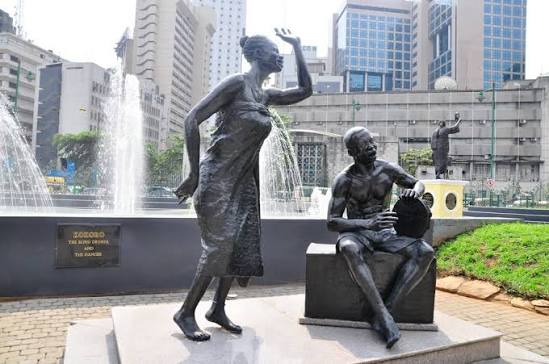
Portrait One: The Trader Who Built an Empire
Her rise is genuinely remarkable, regardless of how the rest of her story gets told. Born around 1810 in the Egba forest region, Tinubu learned trading skills from her mother, a food seller, and her grandmother, a traditional herbalist — humble commercial roots for a woman who would go on to dominate Lagos’s economy.
Marriage became a genuine business strategy for her, and it’s worth naming directly. After her first husband’s death, she married Adele, the exiled Oba of Lagos, in 1833, using the connections this marriage provided to build a trading empire in the coastal town of Badagry. After Adele’s death, she married his military advisor Yesufu Bada, further consolidating her political and commercial standing.
The scale of the commercial empire this built is worth bringing in. Through the Yoruba Wars of the 1840s and 1850s, Tinubu expanded her trading network to include palm oil alongside her existing trade, and was also a major arms supplier, obtaining firearms and gunpowder through her European contacts and supplying them during the war against Dahomey.
The genuine political recognition this earned her is worth noting. She was honored with the title Iyalode of Egbaland — the highest chieftaincy title available to a woman — and remained politically influential enough to help select the Alake (ruler) of Egbaland, backing Prince Oyekan for the position in 1879.
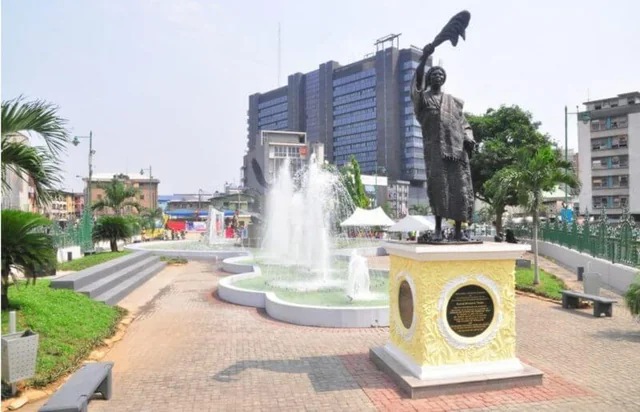
Portrait Two: What the Trade Actually Was
Here’s where the popular and documented versions diverge sharply. Tinubu’s business empire in Badagry was built specifically on trading slaves from the Abeokuta interior in exchange for salt and tobacco from European merchants — the slave trade wasn’t a footnote in her career, it was foundational to how she first accumulated wealth and influence.
There’s a documented incident that most popular retellings leave out entirely, sourced to her own scholarly biography by historian Oladipo Yemitan. In what’s known as the Amadie-Ojo Affair, a failed slave trade deal, Tinubu reportedly stated she would rather let 20 captive people drown than accept half payment for them — a specific, disturbing account documented in the historical record of her life, not a rumor or later fabrication.
There’s a separate, disputed allegation worth including for completeness. She was also accused of the sale of a young boy into slavery, an allegation she denied, showing that questions about her conduct in the slave trade extended beyond the one well-documented incident.
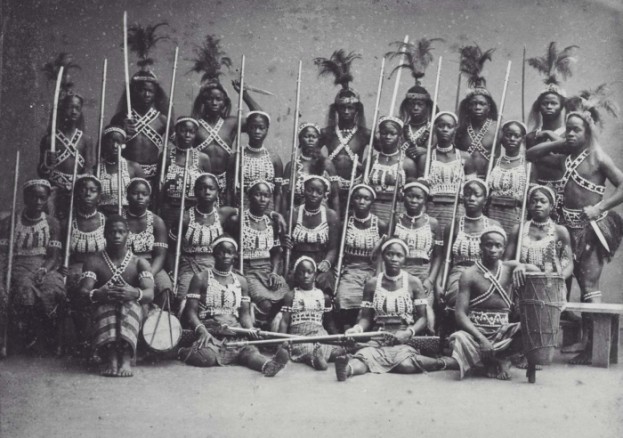
The Scandal: What the Conflict With Britain Was Actually About
Here’s the piece’s central corrective. Popular tellings often present her clash with British Consul Benjamin Campbell as a clean story of anti-colonial resistance — a powerful Nigerian woman standing up to imperial overreach.
The documented reality is worth quoting directly. Campbell “railed against her economic hegemony and secret slave trading with Europeans and Brazilians” — meaning his objection wasn’t purely about colonial control, it was specifically about her continuing to trade in enslaved people after Britain had already outlawed the practice.
Her own response complicates the picture further rather than resolving it cleanly. Tinubu “publicly castigated Campbell for his infringement on royal authority and sovereignty in Lagos” — a genuine, legitimate argument about colonial interference in local governance, made by someone who was also, simultaneously, defending an illegal trade in human beings.
What happened next is worth stating precisely. She organized a plot to remove Campbell from his post, but before it could be carried out, he confronted her with British gunboats in May 1856 and forced her exile to Abeokuta at gunpoint.
Both things were true at once. Britain’s colonial consul in Lagos did overreach into local political authority in ways worth genuinely criticizing, and Tinubu was also, at the same time, resisting that overreach partly in defense of her own continued illegal slave trading — a detail popular retellings routinely omit.
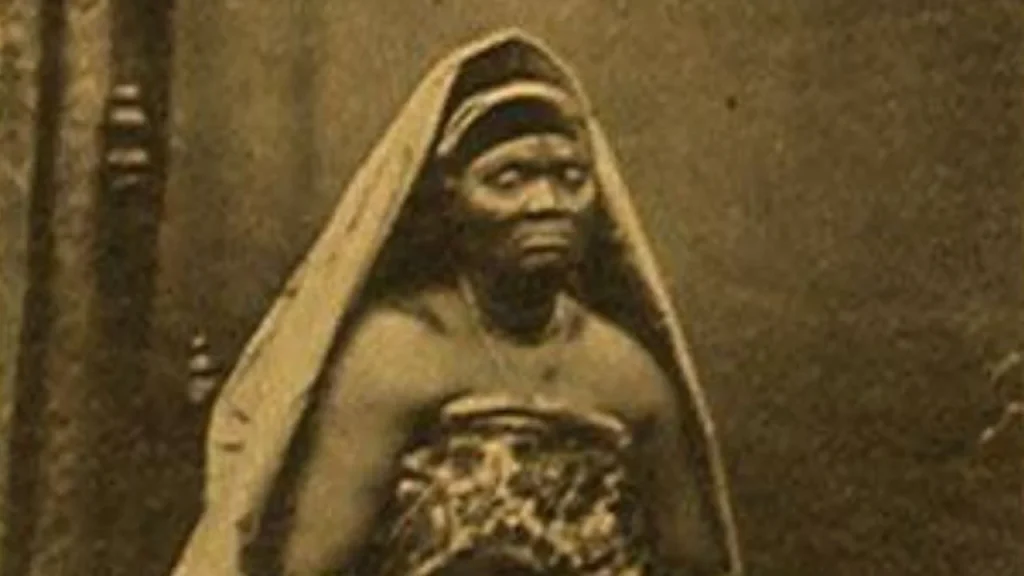
What Came After: A Genuine, Complicated Legacy
Bring the story forward honestly, since her later years show real, uncontested contribution beyond the slave trade specifically. After her exile, she remained a major trader in the interior of Nigeria until her death in 1887, and some accounts describe her later pivoting her business toward legitimate commodities like coconut oil and cotton as the slave trade era wound down.
The genuinely earned recognition this later period produced is worth noting. Her continued political influence in Abeokuta, including her role in king-making decisions, represents real, documented power exercised by a woman in a fiercely male-dominated political system — an accomplishment that doesn’t require minimizing the earlier, more troubling chapters of her career to be real.
The Myth vs. The Reality
| What people assume | What actually happened |
| Madam Tinubu is remembered primarily as an anti-slave-trade heroine who helped end the practice | Her own scholarly biography documents her as a major, active participant in the slave trade for much of her career |
| Her 1856 exile from Lagos was a straightforward story of anti-colonial resistance against British overreach | Her conflict with Consul Campbell centered substantially on his opposition to her continued illegal slave trading after British abolition |
| Her trading empire was built primarily on legitimate commodities like palm oil | Her original commercial foundation in Badagry was built specifically on trading enslaved people for salt and tobacco |
| Accounts of her conduct in the slave trade are largely unsubstantiated legend | The Amadie-Ojo Affair is documented in her own scholarly biography by historian Oladipo Yemitan, not treated as unverified rumor |
Close: Remembering the Whole Portrait
Madam Tinubu’s genuine commercial brilliance, her real political power in a system that rarely granted it to women, and her legitimate objections to colonial overreach are all real and worth remembering — and so is her documented, substantial role in the slave trade, including an incident disturbing enough that a full accounting of her legacy shouldn’t quietly leave it out.
This is a different kind of complication than the corporate exploitation stories elsewhere in this blog — not a European company extracting from Africans, but an African trader whose power, like so much economic power in this era, was built partly on a trade this blog has already spent considerable time documenting the human cost of elsewhere.Paste the final body section here.
Sources and further reading.