
Fourteen countries sat down in a room in Berlin and decided how an entire
continent’s trade would run.
Fourteen countries. Zero African governments. Zero African kingdoms. Zero
African traders, even though those traders had been running functioning
commercial networks across West Africa for centuries before anyone in that
room ever set foot there.
This wasn’t a footnote in history. This was the meeting that set the rules for
everything that came after it — every colonial border, every chartered company,
every railway line built to move raw goods out and manufactured goods in. If you
want to understand why West African trade looks the way it does today, you have
to start here.
Here’s What Actually Happened
Let’s get the facts straight first, because this moment gets mythologized a lot —
and the myth actually undersells how calculated the whole thing was.
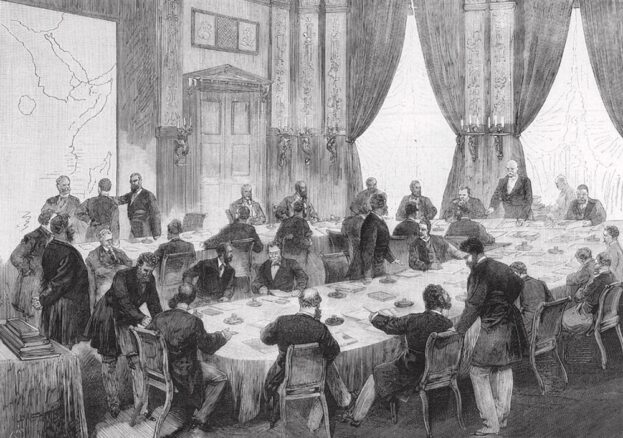
The meeting is known as the Berlin Conference, sometimes called the Berlin West
Africa Conference or the Congo Conference. It ran from November 15, 1884, to
February 26, 1885 — about three months, with a break over Christmas — hosted
by German Chancellor Otto von Bismarck at a building on Wilhelmstrasse in
Berlin. Bismarck called the meeting partly at the request of Belgium’s King
Leopold II, who wanted international recognition for his personal claim over the
Congo.
Fourteen states sent representatives: Germany, France, Great Britain, Portugal,
the United States, Belgium, Denmark, Italy, the Netherlands, Russia, Spain,
Sweden-Norway, Austria-Hungary, and the Ottoman Empire. Not one African
state, kingdom, or community was invited to the table. The people whose land,
resources, and trade routes were being discussed had no seat, no vote, and no
voice in the outcome.
What came out of it was a signed agreement called the General Act.
Now here’s the myth-check. Popular imagination pictures European diplomats
hunched over a map with rulers, physically drawing the borders of African
countries in that room. That’s not quite what happened. The General Act didn’t
draw a single national border. What it actually did was set the rules for how
European powers could claim African territory going forward — and those rules
are exactly why the scramble that followed was so fast and so aggressive.
Why Trade Was the Real Target
Two parts of the General Act mattered more than anything else, and both of them
were about trade and control, not lines on a map.
First: “effective occupation.”
Articles 34 and 35 of the General Act established that a European power could
no longer just plant a flag and claim territory. To have its claim recognized by
other European powers, a state now had to actually occupy and administer the
land. That sounds like a technicality. It wasn’t. It turned colonization into a race —
because the only way to lock in a claim was to move in, build outposts, sign
treaties with local rulers, and establish control on the ground before a rival
power got there first. This is the mechanism that accelerated the “Scramble for
Africa” that followed the conference.
Second: “freedom of trade.”
The General Act framed itself around establishing free trade zones, ending the
slave trade, and guaranteeing free navigation on major rivers — including,
specifically for West Africa, the Niger River. On paper, this sounded like a
humanitarian and commercial framework.
In practice, “freedom of trade” meant freedom for European trading firms to move
through West Africa’s commercial arteries without African rulers being able to
tax, regulate, or block them the way independent kingdoms and city-states had
done for generations. The language of “civilization” and “legitimate commerce”
gave European colonization a moral cover story, even as it dismantled the trade
sovereignty that already existed on the ground
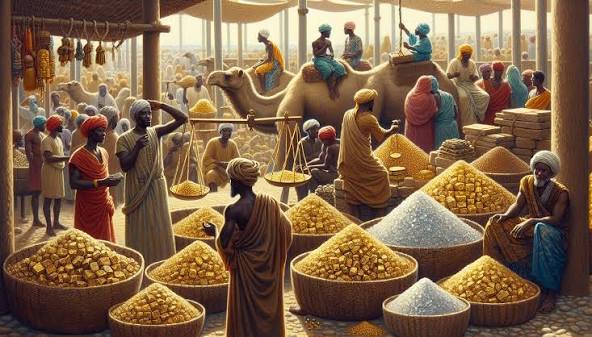
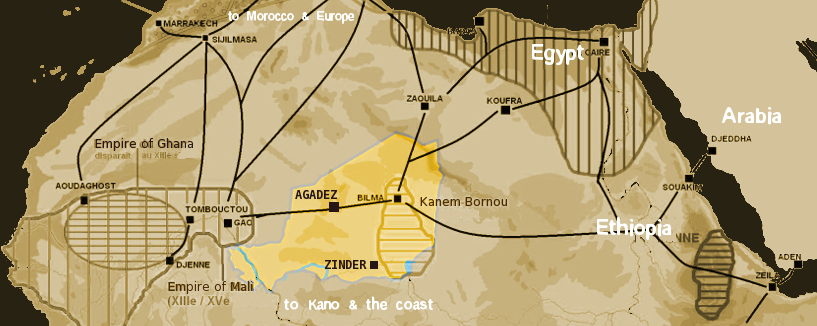
And that’s the part that gets left out of the story. West Africa was not a blank
commercial map waiting to be organized. Long before Berlin, the region ran on
established trade systems — Hausa merchant networks trading kola nuts and
livestock across the Sahel,
Asante control of gold and trade routes into the forest zone, Dahomey’s economy
built around palm oil exports, Yoruba trading networks connecting inland
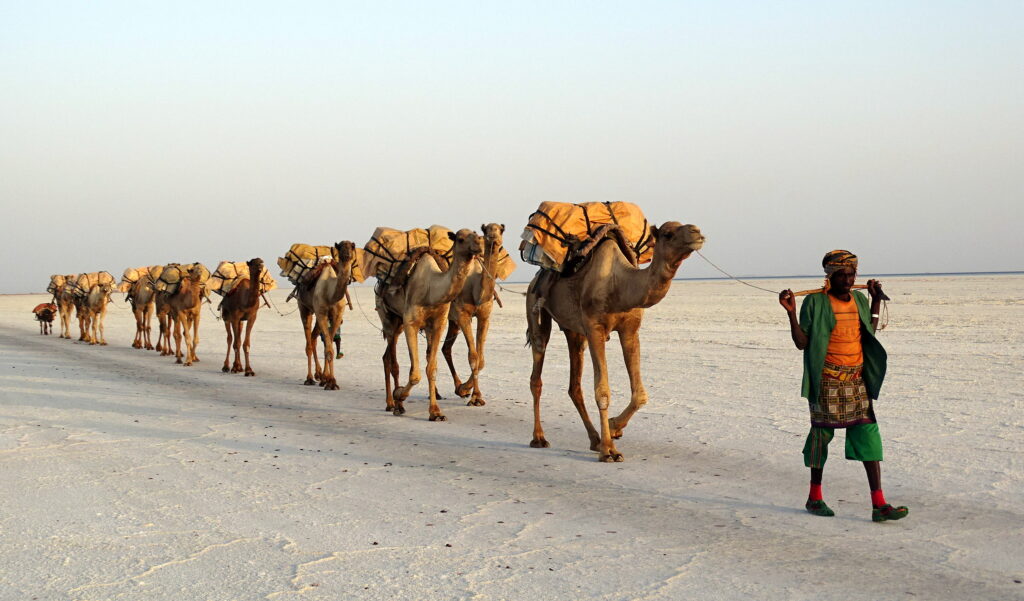
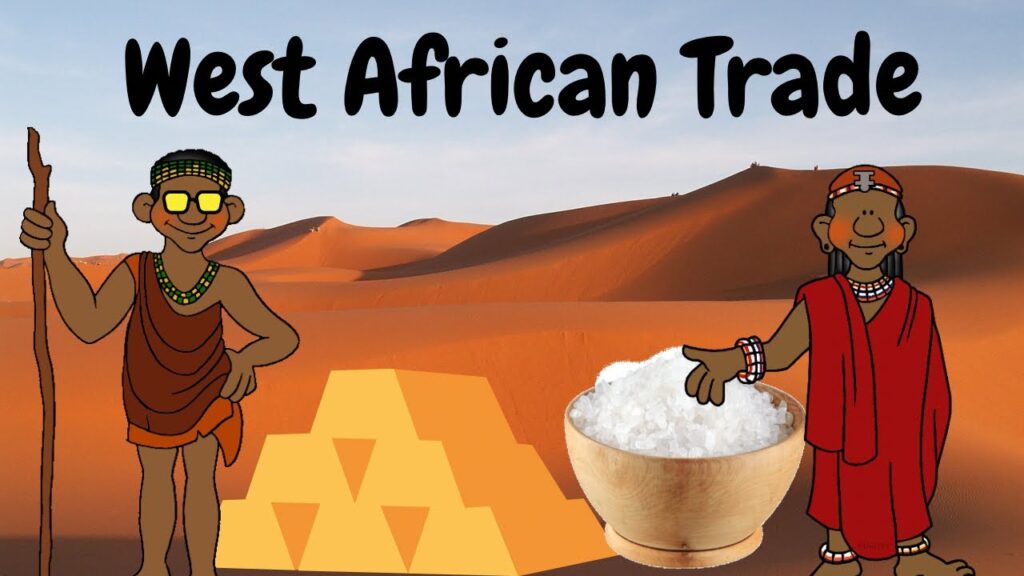
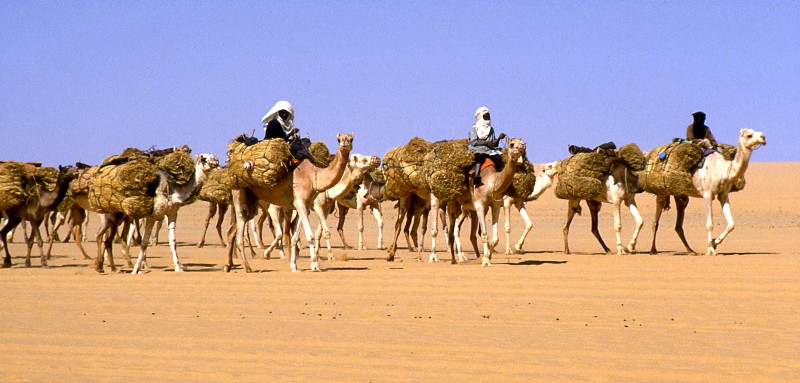
markets to the coast, and centuries-old trans-Saharan routes moving salt, gold,
and goods between West Africa and North Africa.
These weren’t informal or accidental systems. They were functioning economies
with their own rules, tolls, and power structures. The Berlin Conference didn’t
build trade infrastructure into West Africa. It built a legal justification for taking
over trade infrastructure that already existed.
What This Meant on the Ground
Once “effective occupation” became the rule, European powers moved fast.
Claims that had been loose or contested before 1885 hardened quickly into
formal colonial administrations, because sitting back and waiting was no longer
an option — any power that hesitated risked losing territory to a faster-moving
rival.
For West Africa specifically, this meant new colonial borders were drawn directly
across existing trade networks — splitting trading communities, kinship networks,
and commercial routes between British, French, German, and
Portuguese-controlled territories with little regard for how goods and people had
actually moved before. The Niger River, now formally opened to “free navigation”
under the General Act, became a corridor that European trading interests could
move through with new legal backing.
This is also the moment that set the stage for what came next: private chartered
companies — like the Royal Niger Company — stepping in to run entire trade
regions on behalf of European governments, operating with the kind of authority
that looked less like a business and more like a government. That’s a story for the
next essay in this series.
The Myth vs. The Reality
| What people think happened | What actually happened |
|---|---|
| European diplomats drew Africa’s national borders on a map in Berlin | The General Act set rules for claiming territory; most specific borders were drawn later, through separate treaties and agreements. |
| The conference “started” colonization in Africa | The Scramble for Africa was already underway before Berlin; the conference formalized and accelerated it. |
| The conference was mainly about politics and territory | It was framed around trade, navigation, and commerce – control of rivers and markets was the practical objective. |
| African leaders were consulted or represented in some capacity | Not one African government or community had a seat at the table. |
Why This Still Matters
This is chapter one of a much longer story — the story of why West African trade
today still runs on infrastructure, borders, and trade relationships it never
designed for itself. The ports, the railways, the river routes, the regional divisions
— a lot of it traces back to decisions made in a room in Berlin, by people who had
never been to West Africa, about a region whose own trade systems were already
working before anyone in that room decided to redraw them.
Next in this series: The Company That Ruled Nigeria Before Britain’s Crown Ever Did — how the Royal Niger Company turned a trade monopoly into a private government.