
In 1896, Britain declared a “protectorate” over the interior of Sierra Leone.
Less than two years later, it told the people who already lived there — in homes
their families had lived in for generations — that they now owed a tax on those
homes. Pay in cash, or pay in forced labor instead.
Ten shillings a year, for a four-roomed hut. That was the price of being
“protected.”
They called it a protectorate. The people being protected had never been asked.
Here’s What Actually Happened
Let’s set the scene properly, because the context here matters as much as the
war itself.
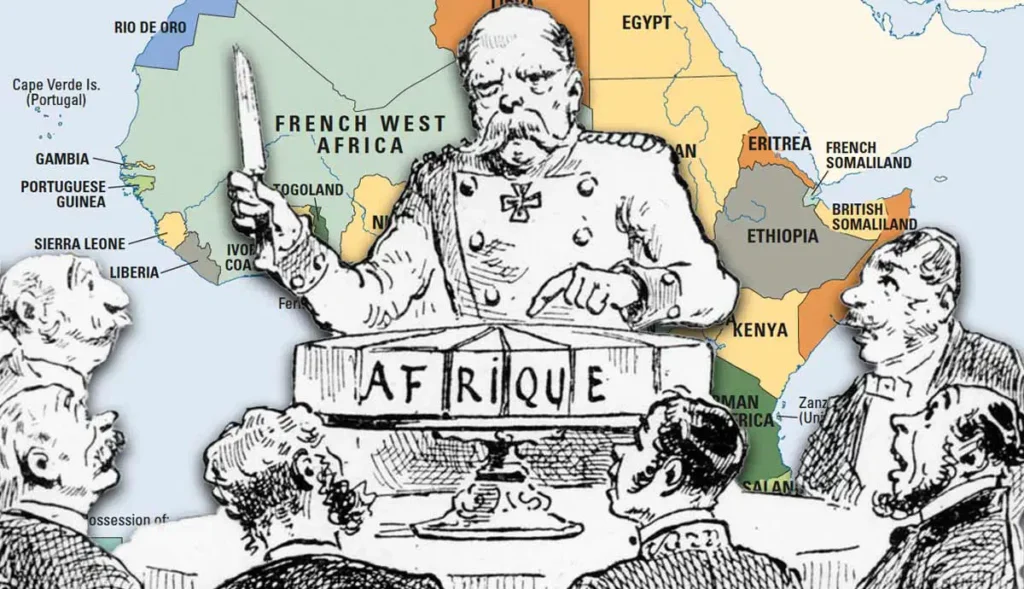
In 1896, Britain formally declared a protectorate over the interior of Sierra Leone.
This wasn’t purely about local administration — it was partly about cementing
Britain’s claim to the territory against rival European powers, in line with the
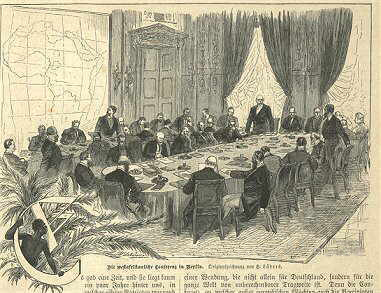
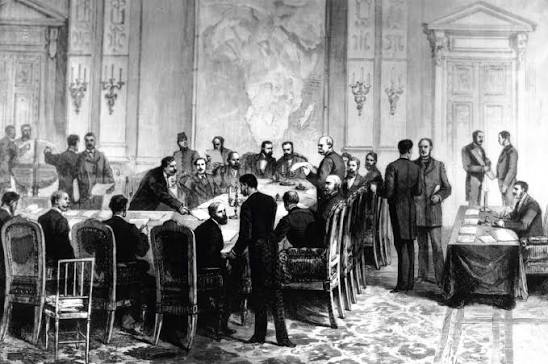
“effective occupation” rules that had come out of the Berlin Conference over a
decade earlier. Occupying and administering the land, on paper, was how a
colonial claim got locked in.
Then came the tax. Starting January 1, 1898, colonial governor Frederic Cardew
imposed a hut tax across the new protectorate: ten shillings a year for a
four-roomed hut, five shillings for smaller dwellings — or, for households that
couldn’t pay in cash, the equivalent value in forced labor.
Here’s what’s often left out of the story: the resistance to this tax was organized
and formal long before a single shot was fired. Twenty-four indigenous chiefs had
already submitted a petition against the tax, laying out in detail how it would
damage their communities. That petition was ignored.
Among the chiefs opposed to it was Bai Bureh, a respected Temne war chief of
Kasseh, in the Karene district. And here’s the detail that makes what follows even
more pointed: Bai Bureh wasn’t some distant enemy of the British. He had
actually fought alongside British forces in an earlier conflict in 1892. This was a
man with a working relationship with colonial authority — and he still recognized
the hut tax for what it was.
Here’s the myth-check. This wasn’t a spontaneous, disorganized uprising by an
angry crowd. It followed a documented petition process, formal grievances raised
through proper channels, and — as we’ll get to — repeated, genuine attempts by
Bai Bureh to negotiate peace before war ever broke out.
Why a Tax on Huts Was Really a Tax on Sovereignty
It’s worth being precise about what the hut tax actually did, economically and
politically.
Economically, it followed the same pattern already running through this series:
most households had no ready supply of British colonial currency, so the tax
functioned as a forcing mechanism, pushing people into the cash economy and
colonial labor system just to meet an obligation the colonial state had invented
and imposed unilaterally.
Politically, it was something sharper than a trade tariff or an export duty. This
was a direct tax on private property and domestic life, imposed without
consultation, by an administration that had only just arrived in the region. Taxing
a household’s home isn’t really about the revenue collected — it’s a declaration
that the colonial administration now has the authority to reach directly into
people’s private, domestic lives. That’s a far more invasive form of control than
taxing goods moving through a port.
And the enforcement mechanism added its own layer of resentment. The colonial
government relied on the Sierra Leone Frontier Police to collect the tax — a force
that, notably, included men who had themselves been formerly enslaved and
freed in Freetown, now stationed as enforcers with authority over chiefs and
communities in the interior. For chiefs who held real, established authority in
their own right, being policed by men they viewed as beneath their status was its
own kind of provocation.
The War Itself
In February 1898, British colonial forces moved to arrest Bai Bureh in the Karene
district. He didn’t surrender. He organized resistance.
His approach was tactically sharp: guerrilla warfare, not open battlefield
confrontation. Ambushes from concealed positions, fortified war fences,
hit-and-run strikes that used his fighters’ knowledge of the terrain against a
British force that was better armed but far less familiar with the ground it was
fighting on. For months, his forces held the vastly more powerful British colonial
military to a standstill.
He wasn’t fighting alone. Powerful allied chiefs — including the Kissi chief Kai
Londo and the Limba chief Almamy Suluku — sent warriors and weapons to
support him.
A second, separate front opened in the south, among the Mende, led by Momoh
Jah — and this front was notably harsher. Rebel forces there targeted anyone
seen as collaborating with British authority, including Europeans and Africans
considered “westernized.” Among those killed was Johnny Taylor, a Creole trader,
killed by rebel fighters. Estimates put civilian deaths on this southern front well
over a thousand.
Throughout the spring and summer of 1898, Bai Bureh made repeated, genuine
attempts to negotiate peace — including through the mediation of Almamy
Suluku. Governor Cardew rejected every overture, demanding nothing less than
unconditional surrender.
Bai Bureh was finally captured in November 1898. In the war’s aftermath, dozens
of rebels were executed. And despite everything the war had cost on both sides,
the hut tax itself was never repealed.
The Myth vs. The Reality
| What people assume | What actually happened |
|---|---|
| This was a minor, localized tax dispute | It was a direct assault on domestic sovereignty — taxing people’s homes without consultation, in a territory Britain had just claimed |
| African resistance to colonial taxation was disorganized or reactive | Resistance began with a formal petition from 24 chiefs, followed by Bai Bureh’s repeated attempts at peaceful negotiation, before war became the last resort |
| The British easily suppressed the uprising | Bai Bureh’s forces fought the British colonial military to a standstill for months using organized guerrilla tactics |
| The war forced Britain to reconsider or repeal the tax | The tax remained in place after the war; Bai Bureh was captured and dozens of rebels were executed |
Why This Still Matters
This is what enforcing the colonial cash economy actually looked like on the
ground — not an abstract policy in a government ledger, but a war, fought
because people refused to accept that their own homes had suddenly become
taxable colonial property.
Bai Bureh lost the war. But the confrontation forced Britain to publicly reckon
with a policy it had never actually explained or justified to the people who were
expected to pay for it — a policy that, at its core, existed to fund colonial
administration by pulling West African households directly into a cash and labor
system they had never agreed to join.
Next in this series: how forced labor and land seizure reshaped rubber and cash
crop economies elsewhere in the region — and who was made to pay the real
cost.