

A Historical In-depth Discovery of Trade in West Africa Since 1896
Here’s what you need to know:
- Guinea’s own natural resource wealth was estimated at $8,057 per capita in 2023 — more than double its actual GDP per capita of just $3,219 that same year, according to the Institute for Security Studies — a precise, quantified illustration of exactly how much of the country’s underlying mineral wealth has failed to translate into the income of its own citizens.
- As of 2019, Guinea ranked 174th out of 189 countries on the UN’s Human Development Index, and as recently as 2018/19, 43.7% of Guineans — roughly 5.8 million people — lived below the national poverty line, even as the country held the world’s largest bauxite reserves and had already been exporting bauxite continuously for over 45 years.
- The scandal isn’t a single missing shipment or a single corrupt official — it’s structural: mining contributes over 20% of GDP and roughly 80-90% of exports, yet employs only 2.6% of the workforce and generates just 17% of tax revenue, with independent research directly attributing this gap to “favoritism in mining fiscal clauses and volume manipulations that erode state revenues.”
This final piece draws together everything already documented across this series — the 1963 ownership split that made Guinea a minority partner in its own ground, the decade lost before extraction even began, the concession-size confusion, the fifty years communities waited for land rights recognition, and the refinery promises that never arrived — to ask the question directly: where did the money actually go?
The Number That Explains Everything
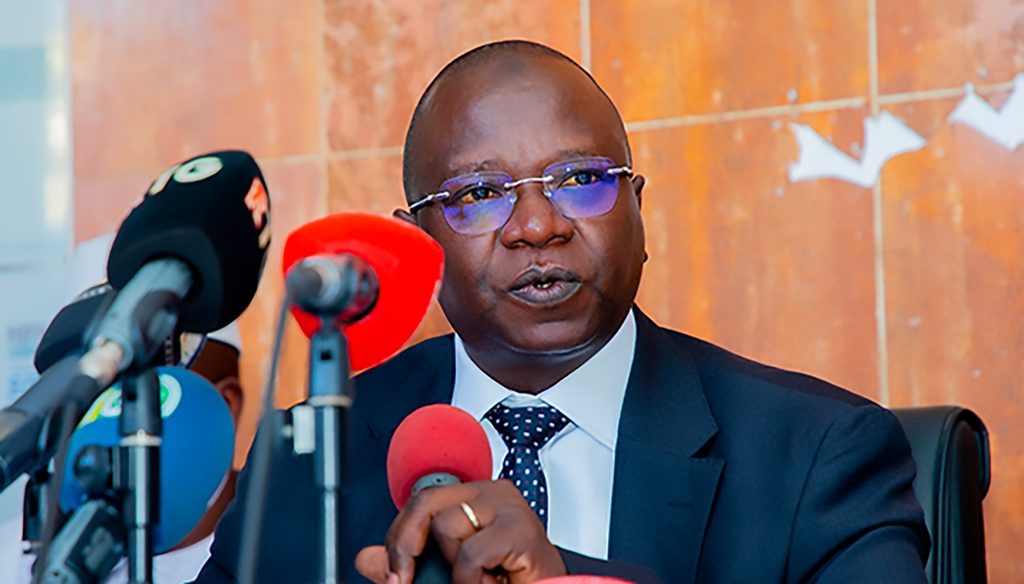
It’s worth leading with the single statistic that most precisely captures this paradox. Guinea’s own estimated natural resource wealth per capita — a calculation reflecting the theoretical value of the country’s bauxite, iron ore, gold, and diamond reserves divided across its population — stood at $8,057 in 2023, according to the Institute for Security Studies. Guinea’s actual GDP per capita that same year, measuring the real income and economic output citizens actually experienced, was just $3,219. The country’s underlying mineral wealth, in other words, is worth more than double what its economy actually delivers to the people living on top of it.
The Human Development Picture
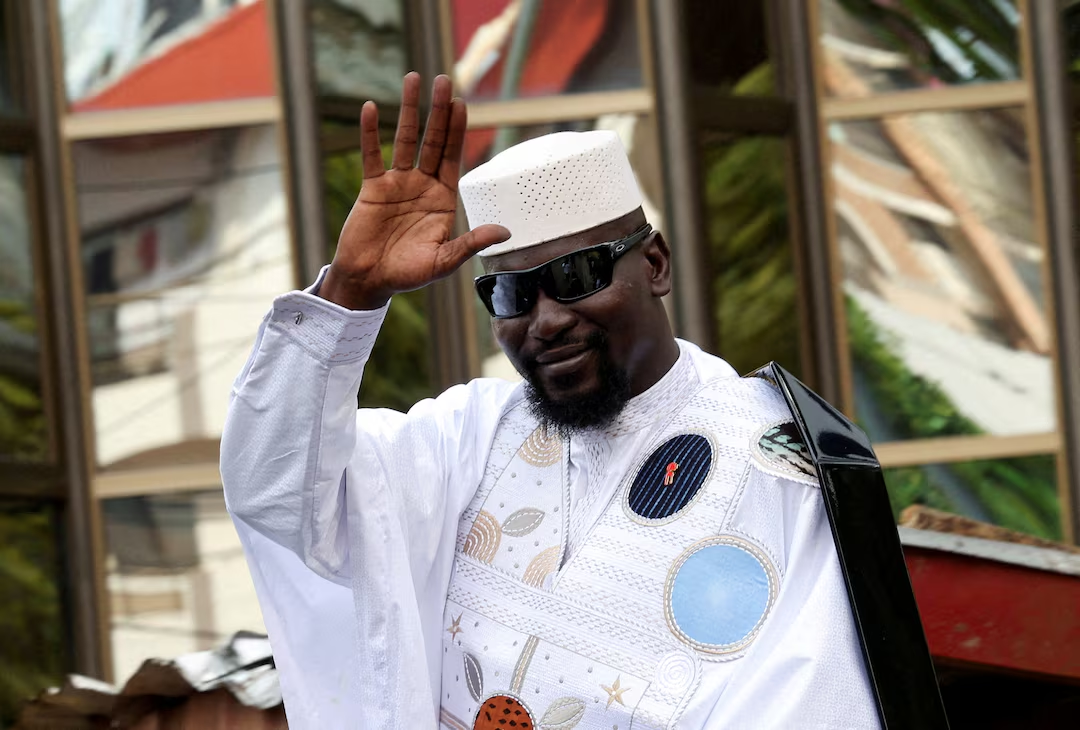
It’s worth stating the country’s broader development indicators plainly, since they confirm this isn’t simply an abstract accounting discrepancy. As of 2019, Guinea ranked 174th out of 189 countries on the United Nations Human Development Index — placing it below the average even for the low human development country grouping, let alone the broader global standard. As recently as 2018/19, 43.7% of Guineans, equivalent to roughly 5.8 million people, lived below the national poverty line — this after CBG alone had already been exporting bauxite continuously since 1973, a full 45 years of sustained mineral extraction by that point.
There is a genuine, fair counterpoint worth crediting, since the trajectory has shown real recent improvement. Poverty had declined from 55.2% in 2012 to 43.7% by 2018/19, and more recent World Bank data shows the poverty rate falling further, to an estimated 22.3% in 2025 from 26.7% in 2024 — improvement significant enough that the World Bank formally upgraded Guinea’s status from a low-income to a lower-middle-income country. This progress deserves acknowledgment rather than dismissal; Guinea’s economic trajectory in recent years has genuinely improved, even if it remains far short of what its resource wealth alone might suggest is achievable.
The Structural Explanation: Why Mining Wealth Doesn’t Reach Ordinary Guineans
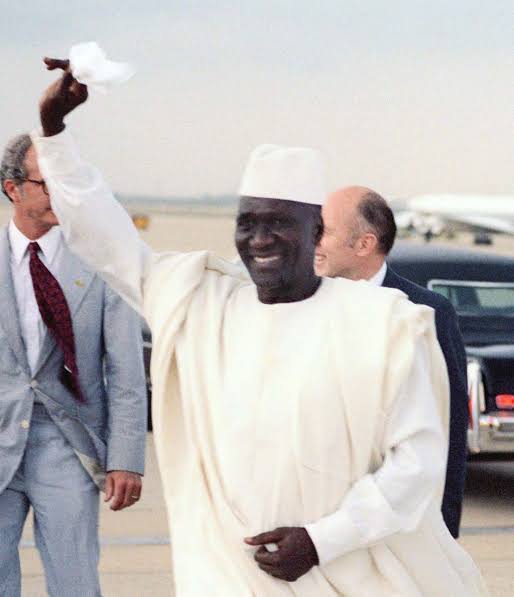
Here is the mechanism worth explaining directly, since it’s the core structural reason resource wealth this vast hasn’t translated into broader prosperity. According to African Development Bank analysis, one of Guinea’s core economic weaknesses is that mining “develops on the sidelines of the rest of the economy, thus discouraging an inclusive redistribution of the economic potential of this sector.” This is worth unpacking plainly: bauxite mining, as an industry, is capital-intensive and technically specialized rather than labor-intensive. A mine like CBG’s Sangaredi operation, extracting millions of tons of ore annually, requires relatively few workers per ton extracted compared to labor-intensive sectors like agriculture or manufacturing — meaning even a booming mining sector generates comparatively few direct jobs for the broader population.
The precise statistics confirming this pattern are worth citing exactly. Mining has contributed over 20% of Guinea’s GDP and accounted for roughly 80% to 90% of the country’s total exports in recent years — yet the same sector employs only 2.6% of Guinea’s workforce, and contributes just 17% of total government tax revenue despite its outsized role in exports. This is the “enclave economy” pattern in its clearest quantified form: a sector generating the overwhelming majority of the country’s foreign exchange earnings, while remaining almost entirely disconnected from the employment and tax base that would actually distribute that wealth broadly across Guinean society.
The Corruption Layer: Where Some of the Missing Revenue Actually Went
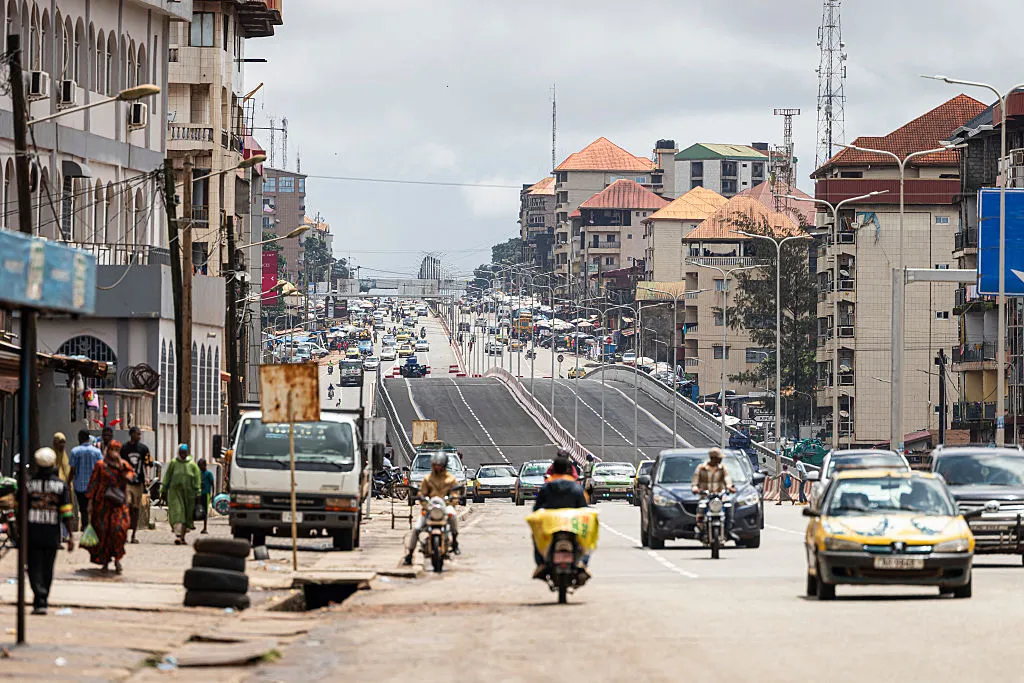
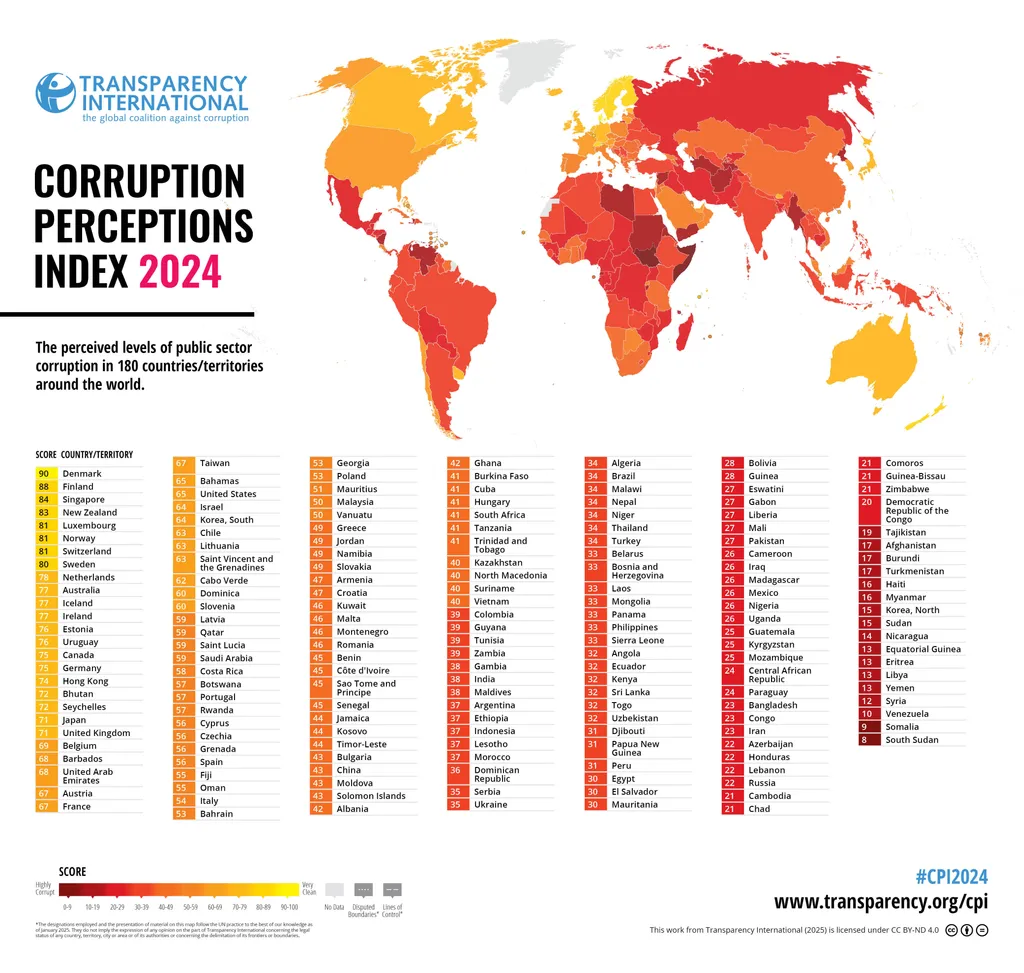
It’s worth being direct about the corruption dimension underlying this gap, since independent research has documented specific mechanisms by which mining revenue has been diverted rather than simply structurally misallocated. Guinea scored just 28 out of 100 on Transparency International’s 2024 Corruption Perceptions Index, ranking 133rd among 180 nations assessed. Independent analysis attributes part of the country’s revenue shortfall directly to “favoritism in mining fiscal clauses and volume manipulations that erode state revenues” — meaning some of the gap between Guinea’s mineral wealth and its actual government income traces not simply to the structural nature of mining as an industry, but to specific, documented instances of preferential contract terms and manipulated production reporting benefiting particular parties at the state’s expense.
This connects directly to a specific, high-profile case already relevant to this blog’s broader coverage of Guinea’s resource sector: the 2021 Swiss conviction of a mining magnate on corruption charges tied to Guinean mining concessions — a case belonging to the same broader pattern of extractive-sector corruption that has shaped how Guinea’s mineral wealth has actually been distributed since independence.
What This Series Has Already Documented, Brought Together
It’s worth explicitly tying this closing analysis back to the specific mechanisms already traced in detail across this blog’s coverage of Halco and CBG specifically, since each piece documents one concrete instance of the broader pattern this final essay describes in aggregate. Guinea’s founding 49% ownership stake in CBG, established in 1963, meant the country’s own resource wealth was structurally valued at less than the foreign capital required to extract it from the very outset. The seven largely undocumented years between CBG’s 1963 formation and 1970’s actual construction start delayed Guinea’s first real bauxite revenue by the better part of a decade.
Decades of land dispossession around Sangaredi, only formally addressed through customary rights recognition in 2024, imposed direct, uncompensated costs on the specific rural communities living closest to the extraction itself. And the alumina refinery promised in 2004, meant to let Guinea capture the far more valuable processed-alumina stage of the value chain rather than simply exporting raw ore, remained unbuilt more than two decades later — meaning Guinea has spent over sixty years exporting its bauxite in its cheapest, least valuable form, rather than capturing the additional value processing would have generated domestically.
Close
Guinea’s bauxite wealth is genuinely extraordinary by any global measure — the largest reserves on Earth, sustained extraction for over half a century, and a natural resource endowment per capita more than double the country’s actual economic output. But the specific mechanisms this series has traced in detail — a founding ownership structure that made the state a minority partner in its own ground, a decade lost before extraction even began, land taken from rural communities without consent or compensation for generations, and a promised value-addition refinery that never materialized across two decades of commitments — together explain, in concrete and specific terms, exactly why a country holding the world’s richest bauxite reserves still ranks among the poorest nations on Earth.
The gap between what Guinea’s ground actually holds and what its people actually receive isn’t a mystery requiring further investigation. It is the direct, documented, and traceable result of exactly the pattern this entire series has laid out, piece by piece, across six decades of foreign extraction.
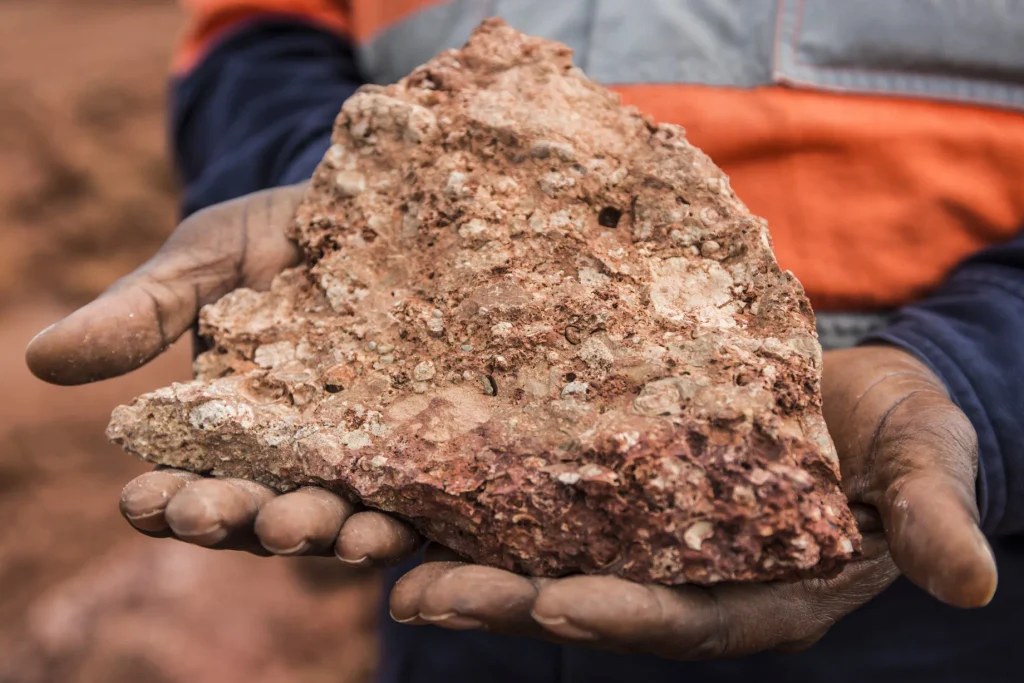
The Guinean Government: Owns 49% of CBG. Halco Mining Inc. Owns 51% of CBG. Halco is a joint group made up of Alcoa (45%), Rio Tinto (45%), and Dadco Investments (10%)
Sources and further reading.