

After Britain outlawed its own participation in the slave trade, it needed a new
word for what came next. Something that sounded moral. Modern. Clean.
It landed on “legitimate commerce.”
Here’s the irony that gets left out of the celebratory version of this story: in
several of the very regions that switched to this new “legitimate” trade, slavery
didn’t disappear. In some places, it actually expanded — because someone still
had to do the labor of producing the palm oil, groundnuts, and other goods now
being exported instead of people.
They didn’t end the extraction. They just renamed it, and put a different product
on the ship.
Here’s What Actually Happened
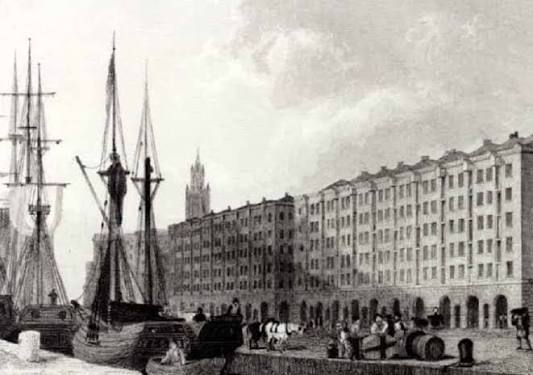
Let’s set the stage properly. After Britain’s 1807 Slave Trade Act and growing
international pressure through the early-to-mid 1800s, West African export
economies began shifting away from slave exports toward exporting agricultural
commodities instead — palm oil first and most significantly, followed later by
groundnuts, palm kernels, rubber, and cotton.
Contemporaries at the time coined a specific term for this shift: “legitimate
commerce.” The framing was explicitly moral. This trade was “legitimate” precisely
because it wasn’t the slave trade.
Here’s the timeline, told honestly, because it’s messier than the clean narrative
suggests. This wasn’t a single date where the slave trade stopped and a new
economy instantly began. The transition happened at very different speeds
across different regions. Along the Gold Coast, the shift after 1807 was fairly
sudden. In the Bight of Biafra, slave exports declined gradually, largely ending by
the 1830s. In the Bight of Benin — including the kingdom of Dahomey — the
export of enslaved people continued alongside the palm oil trade all the way into
the 1850s.
Here’s the myth-check. “Legitimate commerce” wasn’t a moment when the slave
trade stopped and a clean new economy instantly took its place. For decades, in
several regions, the slave trade and the palm oil trade ran side by side — not one
cleanly replacing the other, but two economies coexisting, sometimes within the
very same trading relationships.
The Word Doing a Lot of Work
It’s worth pausing on why the term “legitimate” mattered so much rhetorically. It
let British abolitionists, merchants, and missionaries present this new trade as
proof that ending the slave trade was actually working — that Africa was now
trading “properly,” in goods instead of people.
Here’s what that framing conveniently obscured: it let Europe present itself as
having solved a moral problem, while continuing to extract enormous value from
West Africa through a different mechanism — one still shaped by the same
unequal trading relationships and coastal monopoly control that had defined
commerce under the slave trade.
And here’s the irony worth stating directly, because it undercuts the moral
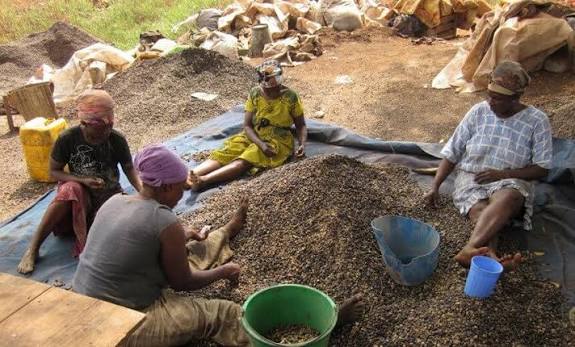
framing entirely. Multiple historians studying palm-oil-producing regions have
found that domestic slavery within West Africa actually expanded during this
period, in places. Producing palm oil at export scale required significant labor,
and enslaved labor was one of the ways some societies met that new demand.
The trade in human beings across the Atlantic was being wound down. The use of
enslaved labor to produce the goods replacing it, in some regions, was not.
Who Actually Controlled “Legitimate” Trade
It’s worth being specific about who actually ran this new commerce, because the
power structure looked a lot like the one it replaced.
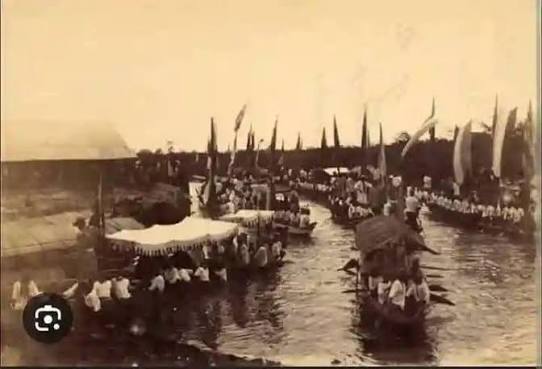
On the coast, merchant rulers and city-states — Bonny, Brass, Opobo, and
Calabar, in the Niger Delta especially — monopolized river access and taxed the
movement of goods between inland producers and European buyers, much as
earlier trading structures had operated under the slave economy. Further inland,
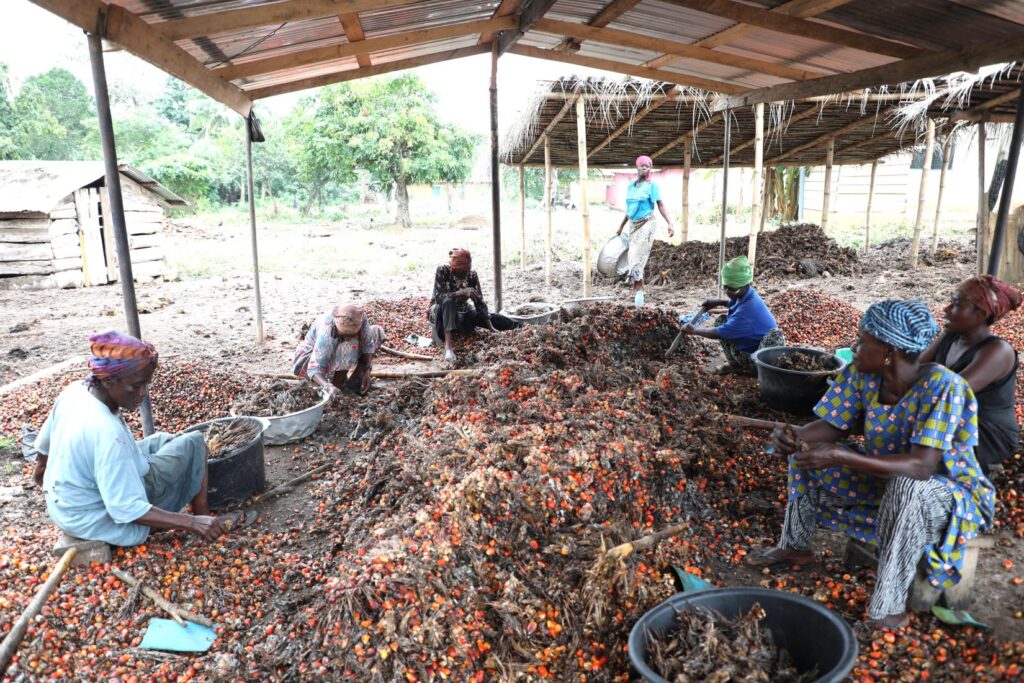
communities in the Niger Delta hinterland — especially Igbo producers —
supplied much of the actual palm produce, transported to coastal ports by
canoe and human porterage.
One genuine social shift is worth naming plainly, because it’s a real change and
not just continuity: the rise of palm kernel exports specifically created new
trading opportunities for women, who took on a significant and growing role in
this economy. That’s a partial but real expansion of who could participate in West
African commerce, even within a system still built around coastal monopoly
control.
This period — and the coastal trade relationships and infrastructure it built — is
part of what set the stage for the more direct colonial takeover and the
“Scramble for Africa” already covered elsewhere in this series. The trading
kingdoms controlling palm oil exports on the coast are the same kind of
commercial power that companies like the Royal Niger Company would later
move in to displace and formalize under a colonial charter.
The Myth vs. The Reality
| What people assume | What actually happened |
|---|---|
| “Legitimate commerce” cleanly ended the slave trade in West Africa | The slave trade and the new commodity trade coexisted for decades in several regions, continuing into the 1850s in some areas |
| The shift to palm oil and other goods was a straightforwardly positive development | Domestic slavery expanded in some palm-oil-producing regions to meet the labor demands of the new export economy |
| “Legitimate” trade operated on fundamentally different, fairer terms than the slave trade | It largely ran through the same unequal, monopoly-controlled coastal trading relationships that had defined commerce under the slave economy |
| This transition happened at the same pace and in the same way everywhere in West Africa | The speed and nature of the shift varied significantly by region — sudden in some places, gradual and overlapping with the slave trade in others |
Why This Still Matters
“Legitimate commerce” is the direct economic backdrop for the palm oil trade,
the Niger Delta trading kingdoms, and the coastal monopolies that chartered
companies would later take over and formalize under colonial rule.
The word “legitimate” did real work here — not describing a clean moral
transition, but giving European buyers and abolitionists a way to feel good about
a trading relationship that, for many West Africans actually producing and
moving these goods, still ran on extraction, unequal terms, and in several
documented cases, continued forms of forced labor.
Next in this series: how West Africa’s own indigenous trade networks — the ones
running long before any of these institutions or technologies arrived — actually
worked.