
A Historical In-depth Discovery of Trade in West Africa Since 1896
Here’s what you need to know:
- In 1948, Paterson Zochonis acquired a small, already-operating soap factory from P.B. Nicholls & Co. in Aba, Eastern Nigeria — not building a new industrial facility from scratch, but purchasing an existing local business and folding it into its own corporate structure, marking the company’s first real step from pure trading firm into manufacturer.
- Genuine Nigerian equity participation in this manufacturing operation didn’t arrive until decades later: the subsidiary only became publicly listed on the Nigerian Stock Exchange in 1972 — 24 years after the original acquisition — selling 40% of its shares to Nigerian investors, with a further 20% sold in 1977.
- The scandal, worth taking seriously even where full documentation is limited: independent historical sourcing on PZ’s own record states directly that “under the management of C.P. Zochonis, the company allowed colonial attitudes to affect local African peoples” — a documented critical finding sitting alongside the company’s own celebratory framing of this period as a landmark industrial achievement.
The Acquisition: What Actually Happened in 1948
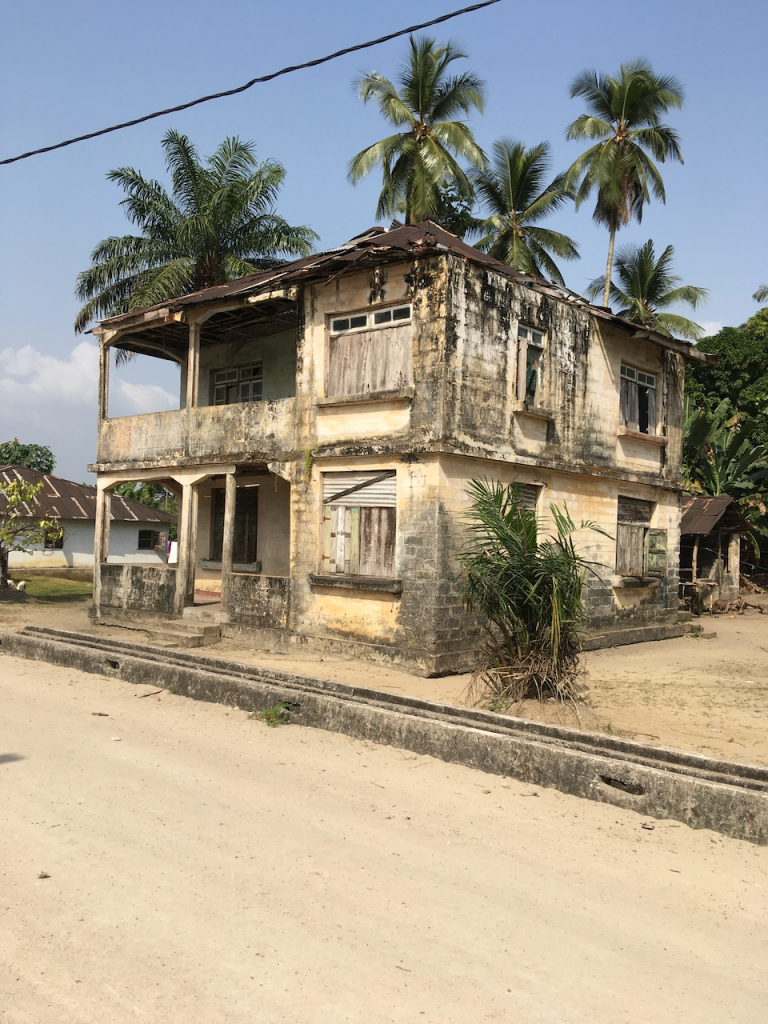
It’s worth understanding precisely what PZ actually did in 1948, since “acquired a soap factory” understates a specific, important detail: PZ did not build new industrial capacity from the ground up. The company purchased a small, already-operating soap manufacturing business owned by P.B. Nicholls & Co. in Aba, Eastern Nigeria. This is worth stating clearly because it changes the nature of what “industrialization” actually meant here — PZ wasn’t introducing manufacturing to a place with none, it was acquiring and absorbing an existing local manufacturing operation into its own much larger trading and distribution network.
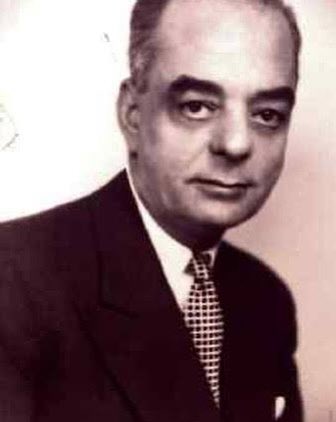
It’s worth understanding why this pivot happened specifically at this moment, since the timing reflects genuine strategic calculation rather than incidental opportunity. Historical sources confirm PZ “experienced a boom in trade after the Second World War,” and that “the West African countries were preparing for independence and the company made changes in its business accordingly,” specifically because it “deliberately tried to increase its industrial base, rather than acting solely as merchants.” This framing matters: PZ’s leadership under chairman Constantine Zochonis appears to have recognized that a company’s future position in West Africa, as colonial administration gave way to independent governments, would depend on having genuine physical manufacturing assets rooted in the territory — not simply a trading relationship that a newly sovereign government might be able to disrupt or restrict more easily than an established local factory.
It’s worth tracing the corporate structure this acquisition eventually evolved into, since the naming history itself reveals a business still being actively reorganized around this new manufacturing identity for years afterward. The Nigerian soap subsidiary was renamed Alagbon Industries Ltd. in 1953 — the same year PZ itself went public on the London Stock Exchange. In 1957, PZ transferred its non-soap Nigerian assets into a separately incorporated entity, Patterson Zochonis Nigeria Limited, while Alagbon Industries was later renamed Associated Industries, then again to Paterson Zochonis Industries Limited. PZ expanded its Nigerian manufacturing further in 1961, establishing a second Aba factory specifically to produce toiletries and pharmaceuticals — showing this wasn’t a one-time pivot, but a sustained, multi-decade industrial investment.
The Slow Arrival of Local Ownership
Here is the piece’s central finding worth stating precisely, since it speaks directly to the question of whether this transition genuinely transferred economic control to Nigerians, or simply relocated production while keeping ownership entirely foreign. The Nigerian manufacturing subsidiary only became publicly listed on the Nigerian Stock Exchange in 1972 — a full 24 years after the original 1948 acquisition — at which point 40% of its shares were sold to the Nigerian public. A further 20% tranche was sold in 1977, bringing cumulative Nigerian public ownership to roughly 60%.
It’s worth stating what this timeline actually reveals. For nearly a quarter of a century after PZ first established manufacturing in Aba — spanning the entirety of Nigeria’s own transition to independence in 1960 — the soap manufacturing operation remained entirely under PZ’s own foreign ownership and control, with no Nigerian equity participation whatsoever. The eventual 1972 listing arrived not as a spontaneous act of corporate goodwill, but during a specific historical window worth noting for context: Nigeria’s own 1972 Nigerian Enterprises Promotion Decree — the country’s first major indigenization law, requiring foreign companies to divest partial ownership to Nigerian nationals — was enacted that same year. This strongly suggests the 1972 share sale reflected genuine Nigerian government policy pressure, rather than PZ voluntarily accelerating local ownership on its own initiative ahead of any legal requirement to do so.
The Scandal: A Documented, if Limited, Historical Finding
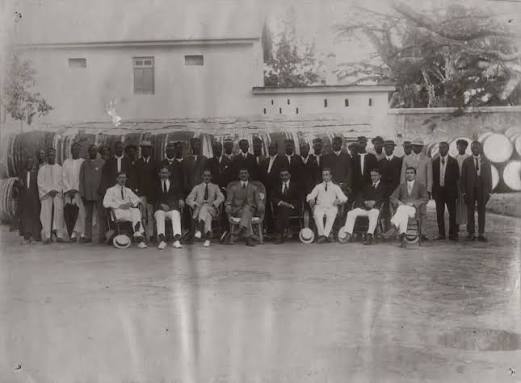
It’s worth including directly what independent historical sourcing states about this period of PZ’s management, even where the available detail is more limited than some of this blog’s other corporate history coverage. Wikipedia’s own sourced entry on PZ Cussons states plainly: “under the management of C.P. Zochonis, the company allowed colonial attitudes to affect local African peoples.” This is a documented, cited historical finding, worth presenting honestly as exactly what it is — a real critical assessment embedded in the company’s own recorded history — while also being transparent that the specific underlying incidents or practices behind this characterization are not detailed further in the readily available public sourcing this research was able to access.
It’s worth being fair about what can and cannot be concluded from the evidence actually available. Unlike this blog’s documented coverage of Firestone’s Liberian labor practices or CBG’s land dispossession — where specific named individuals, specific compensation figures, and specific documented testimonies exist — the available public record on PZ’s own conduct during this manufacturing transition period is considerably thinner. What can be stated with confidence is the structural pattern: a foreign company acquired an existing local manufacturing asset, retained full ownership and control of it for 24 years without any local equity participation, and only began sharing ownership once Nigerian government policy specifically required it.
A Fair Assessment: Relocated Assembly, or Genuine Capacity Transfer?
It’s worth directly addressing the question this piece was framed around: did this transition meaningfully transfer industrial capacity and skills to Nigerians, or did it simply relocate the final production stage of an otherwise still-foreign-controlled operation? The available evidence points toward a middle position, worth stating honestly rather than forcing a single clean verdict.
On one hand, genuine, lasting physical manufacturing infrastructure was established and expanded within Nigeria — the original 1948 Aba facility, the 1961 second factory, and a corporate structure that, by the 1970s, employed real Nigerian workers in real industrial production, a fundamentally different economic activity than simply importing finished British soap for local resale. This represents genuine industrial presence that a pure trading model, of the kind PZ had operated for the previous seven decades, would never have created.
On the other hand, the 24-year gap before any Nigerian equity participation existed at all, and the fact that this participation only arrived once government indigenization policy required it, strongly suggests the transition was driven primarily by PZ’s own strategic calculation about protecting its long-term commercial position ahead of independence — not by any deliberate design to transfer industrial ownership, decision-making authority, or capital accumulation to Nigerians themselves. The manufacturing capacity moved to Nigerian soil; for nearly a quarter-century, the ownership, profits, and strategic control over that capacity did not move with it.
Close
PZ’s 1948 acquisition of a small existing soap factory in Aba represents a genuine, documented pivot in the company’s history — from pure merchant trading house to industrial manufacturer, made deliberately in anticipation of West African independence. This shift did establish real, lasting physical manufacturing capacity within Nigeria, expanded over subsequent decades into pharmaceuticals, toiletries, and eventually consumer durables. But the ownership structure underlying that manufacturing capacity remained entirely foreign for nearly a quarter-century after the original acquisition, only shifting toward genuine Nigerian equity participation once government indigenization policy specifically compelled it in 1972 — a pattern that suggests this transition relocated production considerably faster than it ever relocated control.
Sources and further reading.