
A Historical In-depth Discovery of Trade in West Africa Since 1896
Here’s what you need to know:
- Guinea revoked BSG Resources’ Simandou mining rights in 2014 after finding the company, controlled by Israeli billionaire Beny Steinmetz, had obtained them through bribing officials in the previous government — while explicitly clearing joint venture partner Vale of any participation in that corruption.
- The dispute’s actual resolution, finalized in February 2019, was personally brokered by former French President Nicolas Sarkozy: criminal charges against Steinmetz were dropped, BSGR’s arbitration claims against Guinea were withdrawn — and Steinmetz’s associates were simultaneously re-awarded rights to a different Guinean iron ore deposit through a new company called Niron Metals.
- The scandal: Vale separately won a $1.25 billion arbitration award against BSGR for fraud, totaling over $2 billion with interest and costs — but as of Vale’s own 2025 annual report, the company was still pursuing collection “by all legally available means,” with “no assurance as to the timing and amount of any collections,” while Rio Tinto’s own lawsuit against BSGR never even reached trial, dismissed as time-barred in 2015.
This blog’s earlier Simandou coverage has already documented the original bribery scandal. What actually happened to resolve it wasn’t a court finding anyone guilty or vindicated — it was a negotiated settlement, brokered by a former head of state, and the outcomes for the people and companies involved were far messier than a simple resolution implies.
Symptom, The Repair, and the Track Record — following the money and the accountability all the way through.
Symptom: What Guinea Actually Found
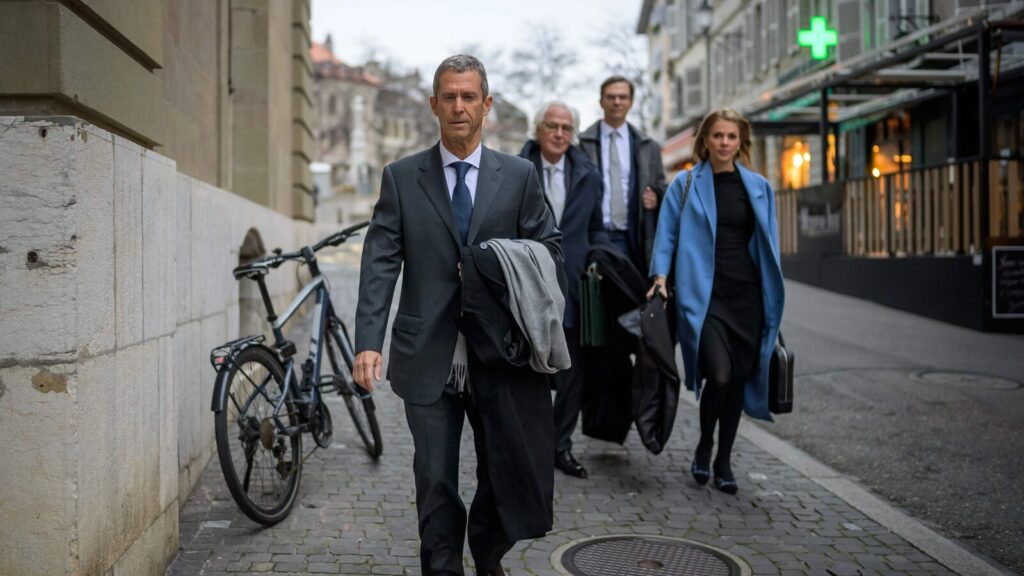
The original bribery finding is worth bringing in directly, since it’s the foundation for everything else. In April 2014, the Government of Guinea revoked BSGR’s exploration and mining rights, based on evidence — including material uncovered by the US Federal Bureau of Investigation — that the company had obtained its 2008-2009 rights through bribery, specifically including payments to the former Guinean president’s wife, documented in contracts one BSGR associate later tried to destroy.
It’s worth understanding how the ownership structure got so tangled in the first place. BSGR acquired its Simandou concession after spending $160 million exploring the property, then sold 51% of its holdings to Brazilian mining giant Vale for $2.5 billion in 2010 — but Vale stopped making payments after the first $500 million once development milestones started getting missed, meaning by the time Guinea’s bribery investigation began, three separate parties (BSGR, Vale, and Rio Tinto, which had held rights to the broader deposit since the early 1990s before being stripped of the northern blocks) all had competing claims tangled together.
The Repair: The Settlement That Actually Cleared the Way
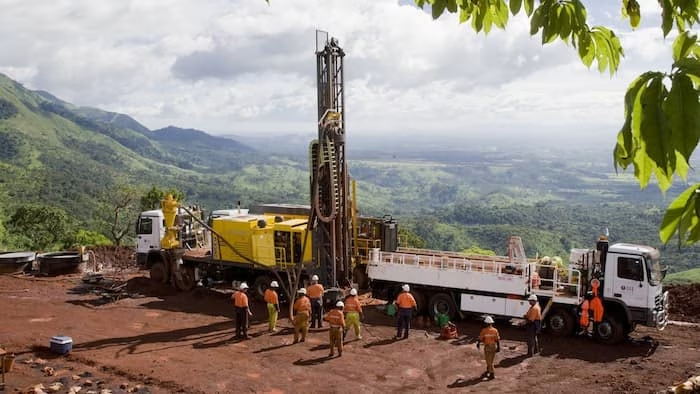
The 2019 settlement is worth introducing directly, since it’s the actual mechanism that resolved the dispute. Finalized in February 2019, the deal was personally brokered by former French President Nicolas Sarkozy between the Guinean government and Beny Steinmetz.
BSGR’s own statement on the settlement’s outcome is worth quoting directly, since it’s worth including in full. The company stated the agreement “opens a new chapter in their relationship that enables the development of a world-class mining project,” with the settlement seeing BSGR “relinquish its claims on blocks 1 and 2 of Simandou” while both parties agreed to “waive all outstanding procedures.”
There’s a subsequent, formal legal framework that actually enabled today’s operational mine worth bringing in, already documented elsewhere in this blog. The co-development agreement between the Guinean government, Winning Consortium Simandou, and Rio Tinto Simfer was signed August 10, 2023, ratified into Guinean law on March 29, 2024, and fully entered into force May 30, 2024 — the specific legal foundation underlying the mine’s eventual operational launch.

The Track Record: Who Actually Paid, and Who Actually Walked
Here’s the piece’s most striking finding, worth introducing directly. As part of the same February 2019 settlement, charges against Steinmetz were dropped entirely — and a consortium including Steinmetz’s associates was simultaneously re-awarded rights to a separate Guinean iron ore deposit, Zogota, through a newly formed company called Niron Metals, in partnership with mining veteran and UK politician Mick Davis.
It’s worth stating what this actually means. The same individual whose company had its Simandou rights formally revoked over documented bribery came out of the eventual settlement not just without criminal consequence, but with a new mining concession in the same country.
Vale’s separate, much larger legal outcome is worth bringing in directly, since it shows a genuinely different track for a different party. In April 2019, an arbitral tribunal in London awarded Vale $1.25 billion in damages plus $775 million in pre-award interest — over $2 billion total once costs and legal fees were included — finding BSGR had fraudulently induced Vale into the joint venture through false statements while concealing the bribery underlying its original rights.
The honest, current status of that award is worth including directly, since it’s worth including as a real, ongoing gap. Vale’s own 2025 annual report stated the company “intends to pursue collection of this award by all legally available means, but there can be no assurance as to the timing and amount of any collections” — meaning more than six years after winning one of the largest fraud arbitration awards in mining history, Vale still hadn’t confirmed actually collecting the money.
Rio Tinto’s own separate legal outcome is worth bringing in, since it’s the piece’s sharpest illustration of unequal accountability. Rio Tinto filed its own lawsuit in the United States against BSGR, Vale, and Steinmetz in 2014, seeking compensatory, consequential, exemplary, and punitive damages — but the US District Court dismissed Rio Tinto’s claims entirely in 2015, ruling them time-barred, meaning the company that had originally held rights to the broader deposit before losing them never received a substantive legal hearing on its claims at all.
Three parties pursued three very different paths through this same underlying scandal — the accused briber settled his way to a clean slate and a new concession, the defrauded investor won a massive judgment it still hasn’t fully collected years later, and the original rights-holder never got its case heard on the merits at all.
The Myth vs. The Reality
| What people assume | What actually happened |
| Guinea’s Simandou bribery dispute concluded with meaningful legal accountability for the party found to have engaged in corruption | Steinmetz had criminal charges dropped as part of a negotiated settlement and was subsequently awarded rights to a separate Guinean mining concession |
| Vale’s $2 billion arbitration victory against BSGR represents money the company has successfully recovered | Vale’s own 2025 annual report confirms the company was still pursuing collection of its award more than six years after winning it, with no certainty about eventual recovery |
| Rio Tinto, as the original rights-holder, had its grievances against BSGR substantively heard and resolved in court | Rio Tinto’s lawsuit was dismissed entirely as time-barred in 2015, without a hearing on the underlying merits |
| The 2019 settlement represented a clean resolution ending all disputes tied to the original bribery scandal | It resolved the specific claims between Guinea and BSGR, while leaving Vale’s separate collection effort and Rio Tinto’s dismissed claims as unresolved, parallel threads |
Close: A Path Cleared, Not a Wrong Righted
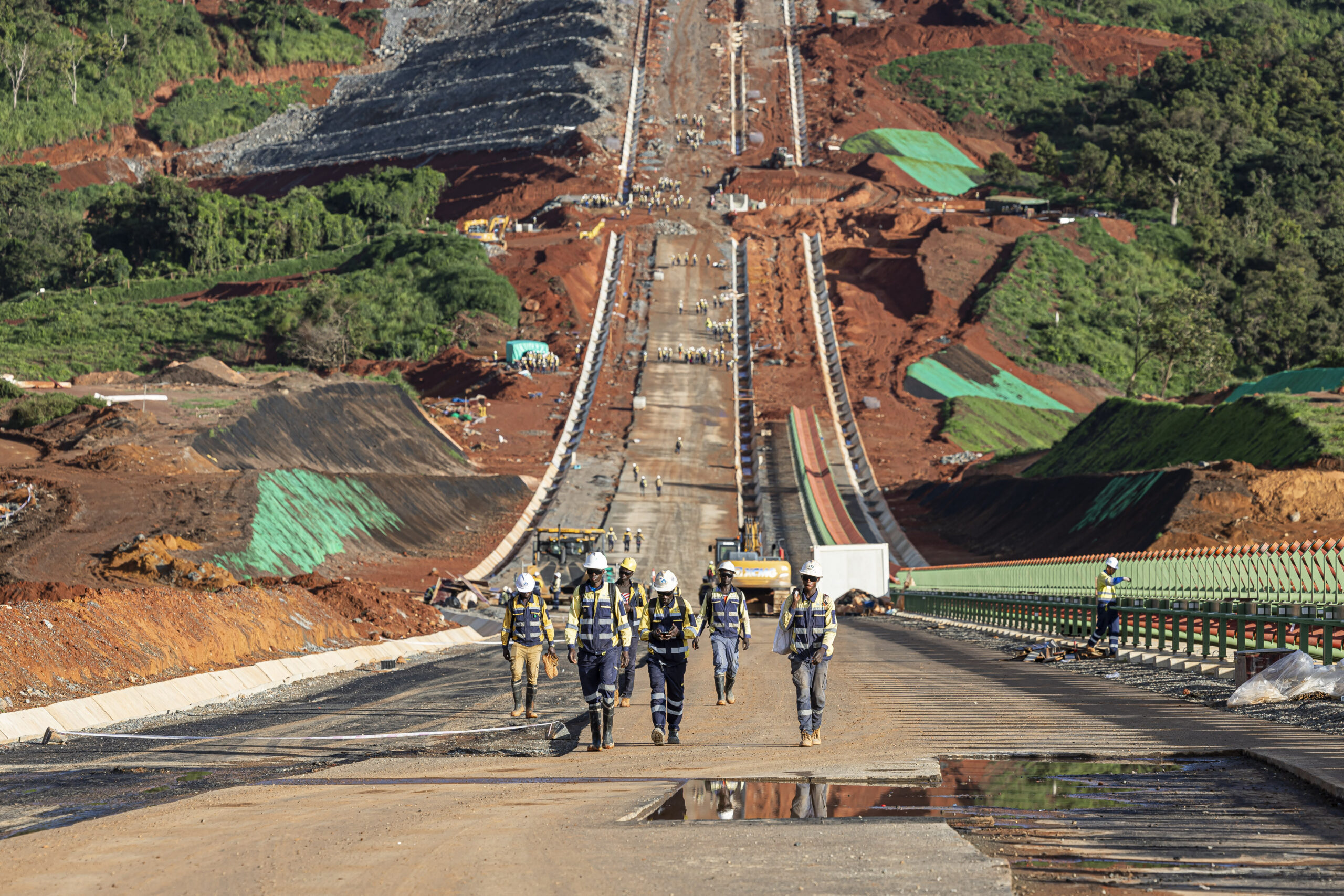
Simandou’s mine and railway, already documented elsewhere in this blog as now operational, exist today because a negotiated political settlement cleared the legal path forward — not because the underlying bribery scandal produced anything resembling proportionate accountability for the people and companies involved.
This adds a fourth chapter to this blog’s Simandou coverage, alongside the original bribery scandal, the Doumbouya-era locomotive standoff, and the documented worker safety crisis during construction — together showing that even after a legal path finally clears and the first ships depart, the actual reckoning for how the underlying dispute began remains, at best, incomplete.
Sources and further reading.