

A Historical In-depth Discovery of Trade in West Africa Since 1896
Here’s what you need to know:
- In a televised address, Niger’s President Abdourahamane Tiani laid out precise terms for compensating Orano: France is entitled to 63.4% of the 156.231 tonnes of uranium produced at Somaïr before nationalization — roughly 99 tonnes — and Niger would personally cover the shipping costs, “because they were present when it was produced.”
- The math reveals a striking gap: Orano’s own public valuation of the broader disputed stockpile covers 1,500 tonnes worth an estimated $270 million — nearly ten times larger than what Tiani’s offer actually addresses.
- The scandal: this offer arrives in apparent tension with a binding September 23, 2025 ICSID ruling that explicitly prohibited Niger from selling or transferring Somaïr’s uranium pending resolution of Orano’s claims — and according to separate reporting, Orano’s own local director in Niger remains imprisoned.
Niger’s president went on national television and did the arithmetic himself — laying out exactly what percentage of exactly how many tonnes of uranium belongs to France, and offering, almost as a gesture of goodwill, to personally cover the cost of shipping it out.
The Math, The Gesture, and The Gap — checking Tiani’s calculation against the much larger dispute it sits inside.
The Math: What Tiani Actually Calculated
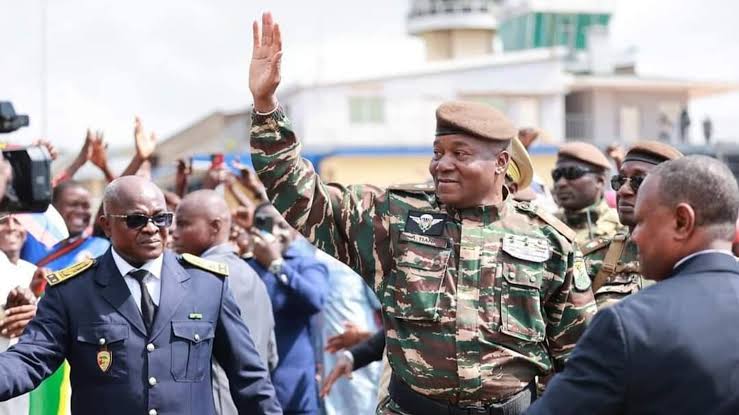
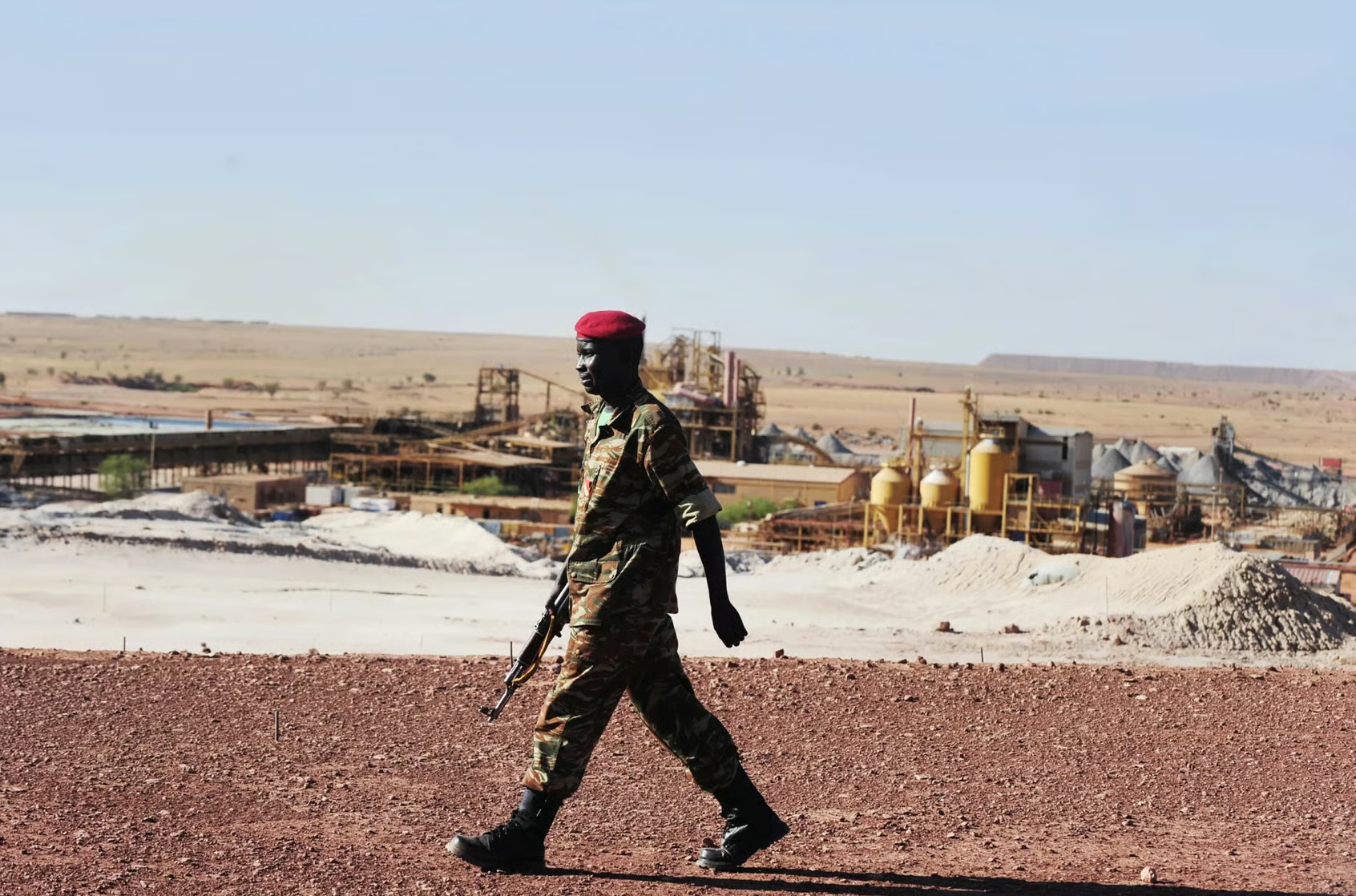
The specific figures are worth explaining directly. Tiani stated that “France is entitled to 63.4% of the 156.231 tons” of uranium produced before Niger’s government assumed control of the Somaïr site — a calculation based on Orano’s historical ownership stake in the joint venture.
It’s worth understanding why this specific percentage matters. Somaïr was originally a joint stock company under Nigerien law, 63.4% owned by Orano and 36.6% owned by Sopamin, Niger’s state mining company — meaning Tiani’s calculation applies that original ownership split specifically to the uranium physically extracted before nationalization, treating everything produced afterward as belonging entirely to the Nigerien state.
Tiani’s own framing of the cutoff is worth quoting directly, since it states the government’s position precisely. “Everything produced since then belongs to Niger. And it will remain Nigerien, Inshallah.”
The Gesture: The Offer Itself
Tiani’s specific offer is worth bringing in directly, since it’s the piece’s central quoted moment. “If they want it shipped tomorrow, we will cover the transport costs ourselves, because they were present when it was produced.”
There’s a broader legal and economic justification Niger’s government has built around this position worth noting, since it shows a coordinated, multi-pronged strategy rather than a single off-the-cuff statement. Niger’s ministers of Mines and Justice had already argued, at a late 2025 press conference, that the 1968 Arlit concession — granted for 75 years and covering roughly 360 square kilometers — represented only a “conditional operating licence” rather than a transfer of subsoil ownership, which they maintain remains a sovereign prerogative of the state.
There’s a specific regulatory action cited to support this position worth bringing in. Nigerien authorities pointed to a formal notice issued to Orano Mining in September 2025 over unpaid concession royalties, part of what officials describe as strict enforcement of existing mining regulations.
There’s a historical imbalance argument Niger’s government has raised separately, worth including as context for why officials frame this compensation offer as already generous. Ministers presented figures showing Orano’s share of uranium sold over five decades exceeded its actual equity stake, with the military government separately accusing the company of extracting 86.3% of total output since 1971 despite holding only a 63% stake.
The Gap: What This Offer Doesn’t Cover
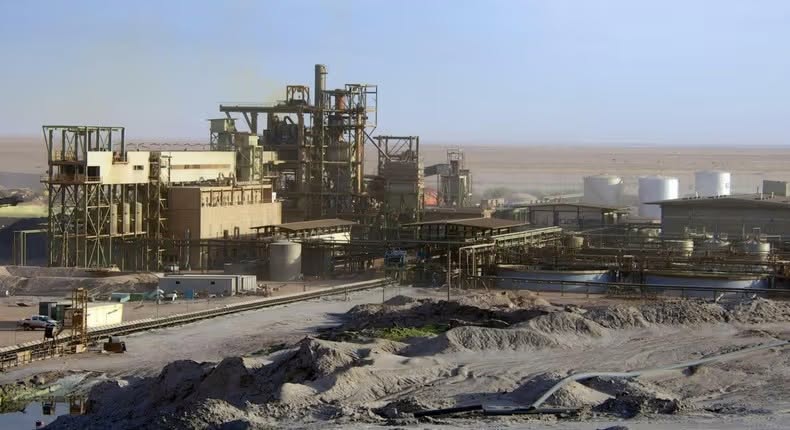
Here’s the piece’s central and most consequential finding, worth introducing directly. Orano’s own public statements describe a disputed stockpile of more than 1,500 tonnes of uranium, valued at roughly $270 million at current market prices — a figure nearly ten times larger than the 156.231 tonnes Tiani’s calculation addresses.
The arithmetic is worth spelling out precisely. 63.4% of 156.231 tonnes works out to approximately 99 tonnes — meaning even under Niger’s own most generous accounting of what France is owed, the offer covers only a small fraction of the volume Orano says is actually in dispute.
There’s a binding legal ruling this offer sits alongside worth including as a direct point of tension. On September 23, 2025, an ICSID tribunal ruled in Orano’s favor, explicitly prohibiting Niger from selling or transferring uranium from the nationalized Somaïr mine pending the outcome of Orano’s broader claims — meaning Tiani’s television address, offering to ship out even the smaller, France-designated portion, arrives in direct tension with a standing international legal order.
There’s a serious human detail worth including for a complete picture, since it’s rarely mentioned alongside the commercial dispute. According to regional security analysis, Orano’s local director in Niger remains imprisoned, even as the company’s broader ICSID arbitration produced what the same analysis describes as a “procedural victory” that “masks a deeper loss” — Orano stripped of operational control, its own personnel detained, and Niger’s transitional authorities continuing to exercise what they describe as full sovereignty over the disputed resource.
A televised offer to cover shipping costs reads, on its surface, as a conciliatory gesture — but measured against the actual scale of Orano’s claims, the binding ICSID prohibition it appears to sit alongside, and the continued imprisonment of the company’s own local director, the “generosity” of the offer covers only a small, carefully bounded slice of a far larger and still fully unresolved dispute.
The Myth vs. The Reality
| What people assume | What actually happened |
| Tiani’s offer to cover shipping costs represents a genuine, good-faith step toward resolving the broader Niger-Orano dispute | The offer addresses roughly 99 tonnes under Niger’s own calculation, against Orano’s public claim covering more than 1,500 tonnes valued at $270 million |
| Niger’s compensation terms address the full scope of the uranium stockpile Orano has publicly claimed rights to | They cover only France’s proportional share of production before nationalization, leaving the much larger post-nationalization dispute entirely untouched |
| This offer represents Niger acting within a settled, uncontested legal framework | It arrives in apparent tension with a binding September 2025 ICSID ruling explicitly prohibiting Niger from selling or transferring the disputed uranium |
| The Niger-Orano dispute remains a purely commercial and diplomatic matter | Orano’s own local director in Niger reportedly remains imprisoned, adding a serious human dimension beyond the financial and legal disputes |
Close: Generosity, Carefully Measured
Tiani’s offer is a real, specific, quotable diplomatic gesture — precise numbers, a stated rationale, and an offer to personally absorb a cost France would otherwise bear — but it’s generosity calculated against a small, favorable slice of a dispute that, by Orano’s own accounting, is roughly ten times larger, and that a binding international tribunal has already ordered Niger not to unilaterally resolve.
This adds another chapter to this blog’s extensive Niger-Orano coverage, showing that even a conciliatory-sounding offer, delivered with real specificity and apparent goodwill, deserves to be measured against the full scale of what’s actually being disputed before it’s read as a genuine step toward resolution.
Sources and further reading.