

A Historical In-depth Discovery of Trade in West Africa Since 1896
Here’s what you need to know:
- Nigeria’s Tsamiya-Kamba corridor, already documented elsewhere in this blog, helped clear roughly 2,000 trucks stranded at the Benin-Nigeria border when it reopened in February 2026 — a genuine, quantified workaround for a crisis that traces directly back to Niger’s continued closure of its own border with Benin.
- That underlying dispute may be closer to resolution than at any point since 2023: Benin’s newly inaugurated President Romuald Wadagni visited Niamey on June 2, 2026, producing a nine-point roadmap, and by June 16, a joint expert committee reported completing “a first cycle of work deemed satisfactory” toward reopening the Malanville border post.
- The scandal: relations remain shadowed by an extraordinary accusation — Niger’s President Tiani directly blamed former Benin President Talon, French President Macron, and Côte d’Ivoire’s President Ouattara for supporting a March 2026 Islamic State attack on Niamey’s own airport, triggering reciprocal diplomatic expulsions even as formal reconciliation talks continued.
Nigeria built a workaround corridor specifically because Niger’s border with Benin stayed shut. Just as that workaround proved its value, the underlying dispute it was built around started showing its first real signs of actually getting resolved.
Promised, Delivered So Far, Still Pending, and Red Flags.
Section One: Promised
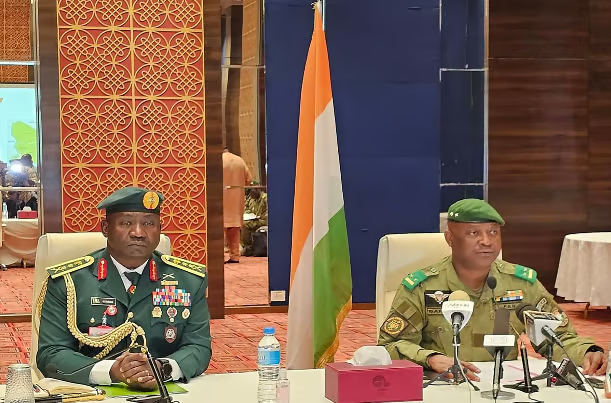
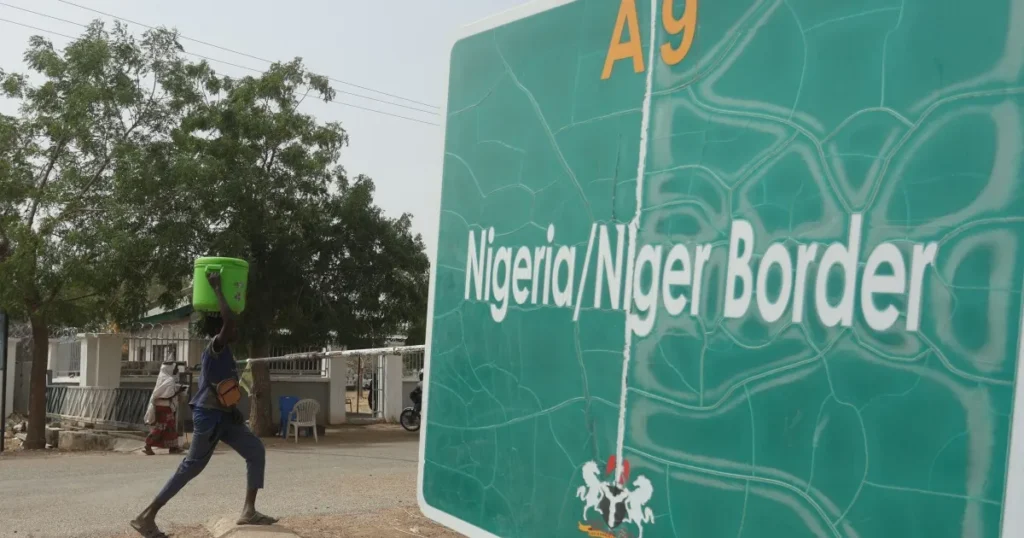
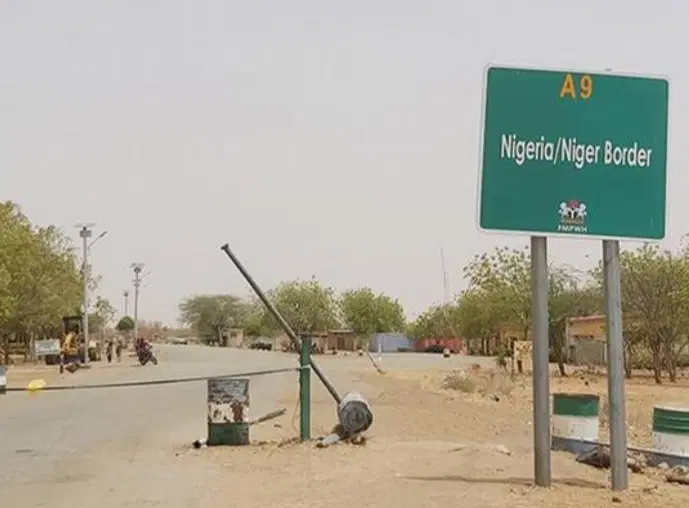
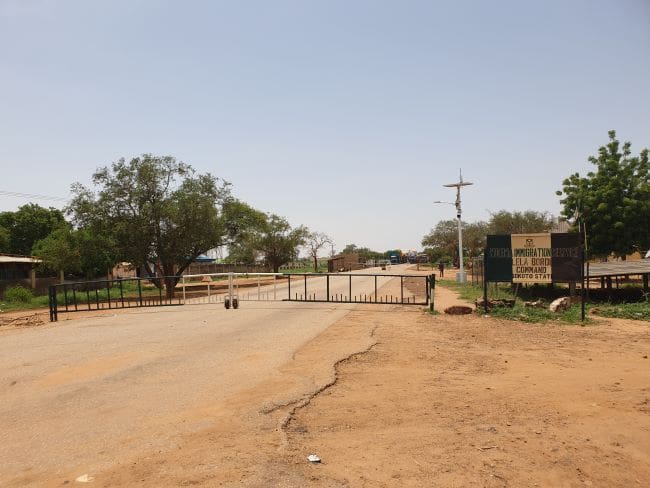
The underlying dispute is worth explaining directly, connecting to material already covered elsewhere in this blog. Benin closed its border with Niger following the July 2023 coup as part of broader ECOWAS sanctions, with former President Patrice Talon having backed the bloc’s plans for military intervention against Niger’s new military government — Benin reopened its own side of the border in February 2024, but Niger kept its side closed, citing concerns that French military bases in Benin threatened Nigerien sovereignty.
It’s worth understanding why this specific closure mattered so disproportionately, since the trade volume involved is worth understanding. At the time of the 2023 closure, roughly 80% of Niger’s exports moved through Benin, meaning this single border relationship carried outsized weight for landlocked Niger’s entire international trade capacity, far beyond what a typical single border crossing would represent.
Section Two: Delivered So Far
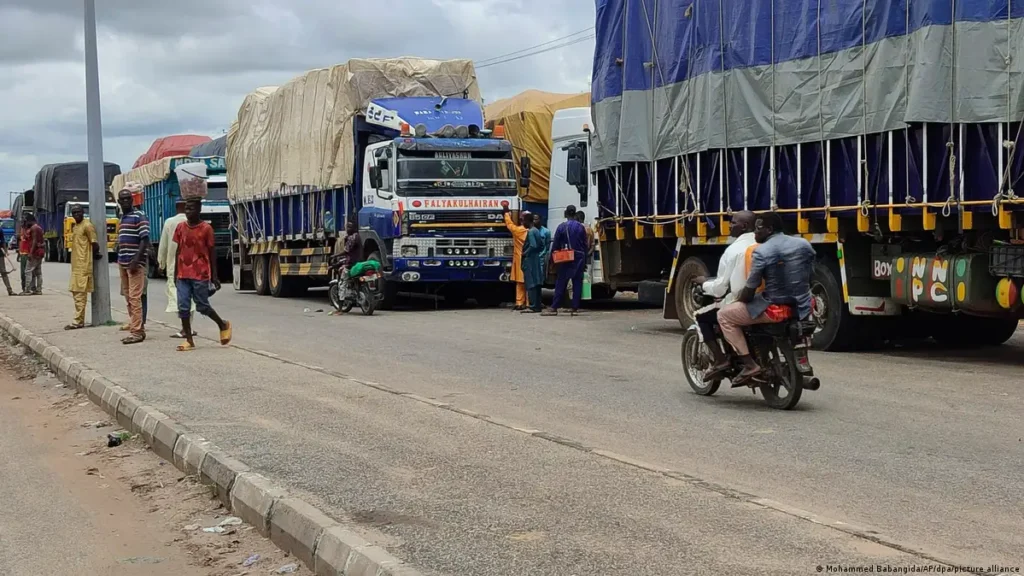
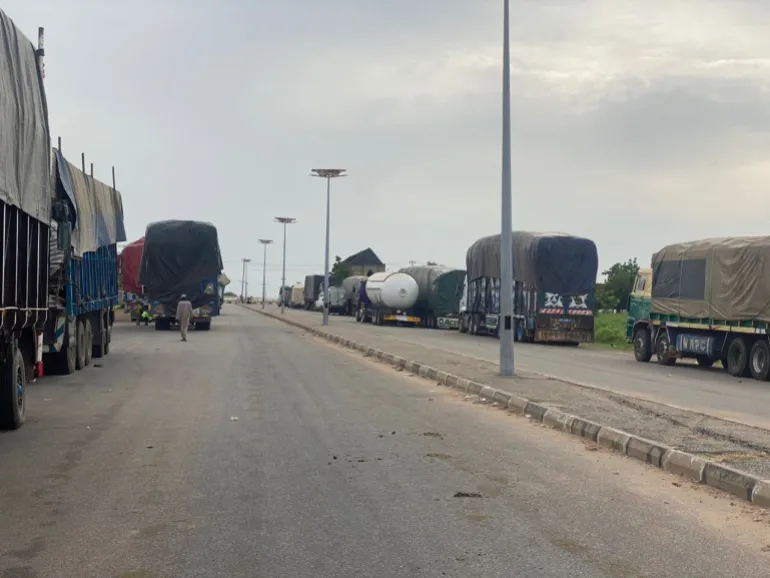
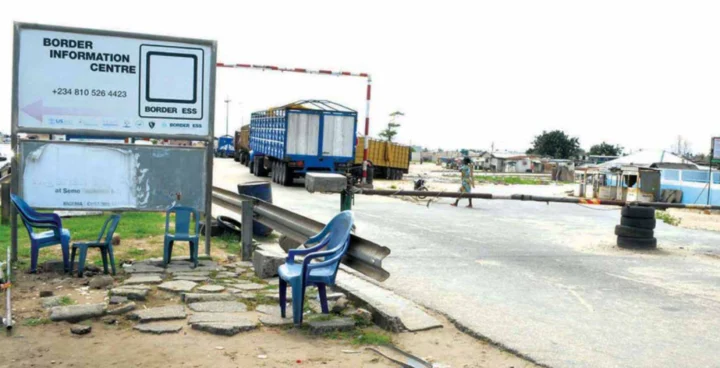
The Nigeria-based workaround is worth bringing in directly, connecting to material already extensively documented elsewhere in this blog. The reopening of the Tsamiya-Kamba corridor via Nigeria in February 2026 helped clear approximately 2,000 trucks bound for Niger that had been stuck at the Benin-Nigeria border — a concrete, quantified partial solution to a crisis with no other formal resolution at the time.
There’s a human cost this workaround period still produced, worth including directly. A Nigerien haulier based in Benin’s economic capital, Ibrahim Abou Koura, offered a simple, direct assessment of the standoff’s toll: “Those who are suffering are the people of both countries.”
There’s a specific, quantified deterioration in regional security this period saw, worth bringing in since it shows the stakes extending beyond commerce alone. Violence across the Benin-Niger-Nigeria border area rose 86% between 2024 and 2025.
Section Three: Still Pending
There’s genuine, recent reconciliation progress worth bringing in directly, since it represents the most significant development in this dispute’s history. Following his May 24, 2026 inauguration, Benin’s new President Romuald Wadagni undertook a regional tour that made Niger his second stop, meeting General Tiani in Niamey on June 2, 2026, where the two leaders placed the shared border among their talks’ priorities.
The specific institutional follow-through this visit produced is worth noting. Delegations from Cotonou and Niamey formalized a joint communique on June 16, 2026, building on a nine-point roadmap struck during Wadagni’s visit, with expert committees from both countries convening in Cotonou for technical talks that concluded their first round on June 21, 2026.
There are Niger’s specific, stated conditions for actually reopening the border worth bringing in, since they show the dispute isn’t yet resolved despite the visible progress. Niger’s negotiators have tabled two conditions they describe as non-negotiable — a bilateral non-aggression pact ruling out either country’s
The Scandal: The Accusation Sitting Underneath the Diplomacy
Here’s the piece’s central and most serious documented finding, worth introducing directly. Relations between Niger and its neighbors deteriorated sharply after a March 2026 Islamic State attack on Niamey’s own airport, with President Tiani directly accusing former Benin President Talon, French President Emmanuel Macron, and Côte d’Ivoire’s President Alassane Ouattara of supporting the assault.
It’s worth stating what this accusation actually represents. A sitting head of state publicly blamed a current French president and a sitting Ivorian president, alongside a former Beninese president, for supporting a terrorist attack on his own capital’s airport — an accusation of this severity would ordinarily be expected to derail diplomatic relations entirely, yet formal reconciliation talks with Benin specifically continued and produced real progress in the months that followed.
There are reciprocal diplomatic consequences this triggered worth bringing in, since it shows the accusation had real, documented institutional fallout. The episode triggered reciprocal diplomatic expulsions between the countries involved in early 2026, even as Niger denied direct involvement in a related earlier incident that had first raised tensions.
There’s an underlying grievance this accusation connects to worth noting, since it’s the same root concern shaping Niger’s current negotiating demands. Tiani’s accusations trace back to the same core suspicion driving Niger’s non-negotiable conditions for reopening the border — that French military presence in Benin represents an active threat to Nigerien sovereignty, a claim Benin’s government has repeatedly and directly rejected.
Genuine, documented diplomatic progress toward resolving one of West Africa’s most consequential border disputes is unfolding in parallel with — not instead of — an unresolved accusation of the gravest possible kind, meaning any reader evaluating how close this reconciliation actually is needs to weigh the nine-point roadmap’s technical progress against the fact that its central security suspicion remains entirely unaddressed.
The Myth vs. The Reality
| What people assume | What actually happened |
| Nigeria’s Tsamiya-Kamba workaround represents a permanent, independent trade solution unrelated to the underlying Benin-Niger dispute | The Nigeria-based workaround exists specifically because the Benin-Niger border remains closed, and genuine progress on that underlying dispute could reduce the workaround’s necessity entirely |
| The extraordinary accusations Tiani made against Talon, Macron, and Ouattara have been resolved or set aside as reconciliation talks with Benin have progressed | The accusation regarding the March 2026 Niamey airport attack remains a live, unresolved element of the relationship, existing in parallel with the ongoing technical reconciliation talks |
| Niger’s conditions for reopening the border with Benin are primarily about trade and economic terms | Its stated non-negotiable conditions center on security concerns — a non-aggression pact and disclosure of foreign military presence |
| The Benin-Niger border dispute has shown no meaningful progress since the 2023 closure | Wadagni’s June 2026 visit, the resulting nine-point roadmap, and the joint expert committee’s completed first cycle of work represent the most significant progress in the dispute’s history |
Close: Two Tracks, Moving at Different Speeds
Nigeria’s corridor workaround, Benin’s genuine diplomatic outreach under a new president, and Niger’s still-unresolved accusation of foreign-backed terrorism against its own capital are all simultaneously true right now — real trade relief, real diplomatic momentum, and a serious, unaddressed grievance, all moving forward on different timelines within the same overall relationship.
Sources and further reading.