

A Historical In-depth Discovery of Trade in West Africa Since 1896
Here’s what you need to know:
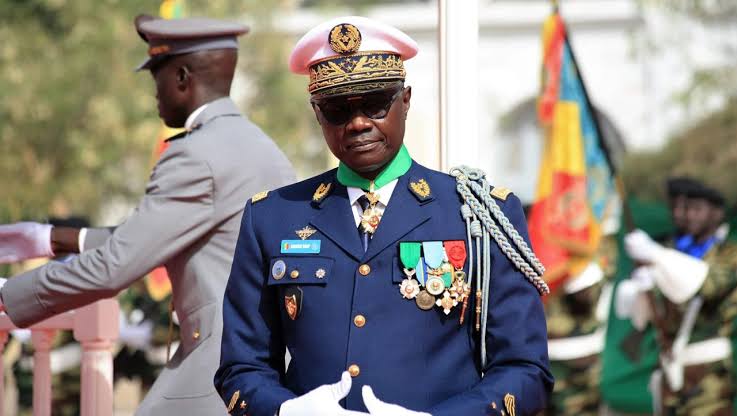
- General Birame Diop, a retired two-star Senegalese Air Force general and former Minister of the Armed Forces, was confirmed as ECOWAS Commission President at the bloc’s July 2026 summit in Freetown — the first time in ECOWAS’s 50-year history that a military officer has led the organization’s executive arm.
- Diop ran unopposed, and officials explicitly justified the choice around the current security crisis: a West African diplomat told reporters, “That will be useful, for example, in the fight against terrorism and in coordinating policies. With Birame’s support, the organisation can get moving again.”
- The scandal, worth taking seriously: the same summit endorsed an ambitious “ECOWAS of the Peoples 2050” strategy, but Côte d’Ivoire’s own Vice President immediately warned it would require “a precise and sustainable financing plan” — a funding gap pattern this blog has already documented repeatedly across ECOWAS’s other major initiatives.
ECOWAS was founded in 1975 to promote trade and economic integration across West Africa. Fifty years and dozens of leadership transitions later, the bloc has never once put a career military officer in charge of its executive arm — until now.
Promised, Delivered So Far, Still Pending, and Red Flags.
Section One: Promised
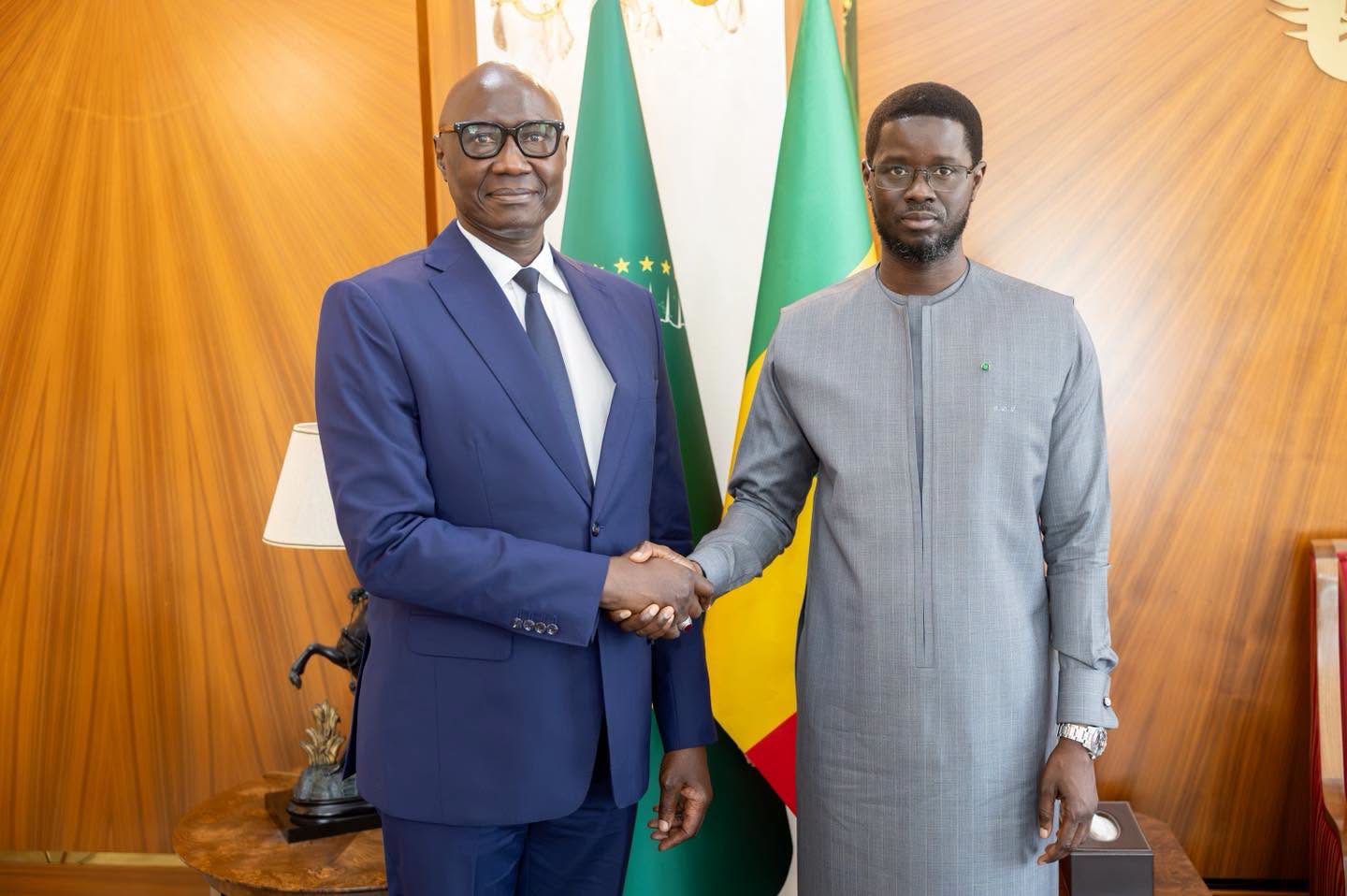
The ECOWAS Commission’s actual role is worth explaining directly, since it’s worth understanding what this position controls. The Commission serves as ECOWAS’s executive arm, implementing the bloc’s political and economic policy decisions — distinct from the rotating Conference of Heads of State chairmanship, which Senegal’s President Faye separately holds.
It’s worth understanding why this particular appointment carries such symbolic weight. ECOWAS’s founding mission, as one regional commentator put it, centers on promoting “regional integration, facilitate trade, encourage the free movement of people and goods, and advance economic development” — meaning putting a career general at the head of that mission represents a genuine, visible shift in what the organization is signaling about its own priorities, not simply a routine personnel change.
Diop’s specific background is worth laying out in full. A retired two-star Air Force general, Diop served as Senegal’s Minister of the Armed Forces from 2024 to June 2026, previously headed Senegal’s armed forces as Chief of the General Staff, served as UN Military Adviser to the Department of Peace Operations from 2021 to 2024, and earlier served with the UN peacekeeping mission in Bunia, eastern Democratic Republic of Congo.
Section Two: Delivered So Far
The formal confirmation process is worth bringing in directly. Senegal’s government nominated Diop on May 31, 2026, following ECOWAS’s December 2025 decision to award Senegal the Commission presidency for the 2026-2030 term — his candidacy went unopposed, and heads of state formally confirmed him at the bloc’s 69th ordinary summit in Freetown, Sierra Leone, on July 19-20, 2026.
There are specific institutional priorities officials have already attached to his tenure worth noting. Diop’s stated first tasks include implementing internal ECOWAS reforms and mobilising support for the ECOWAS Standby Force, the bloc’s long-discussed but still-developing rapid response military capability.
A West African diplomat’s direct assessment of why this appointment matters is worth including in full. “Birame Diop knows the inner workings of international organisations very well. He served at the highest levels of the Senegalese military. That will be useful, for example, in the fight against terrorism and in coordinating policies. With Birame’s support, the organisation can get moving again.”
Section Three: Still Pending
It’s worth noting the actual formal handover timeline directly, since there’s a real gap worth flagging. While Diop was confirmed at the July 2026 summit, he is expected to formally assume the Commission presidency on September 1, 2026, at ECOWAS headquarters in Abuja — meaning roughly six weeks separate his confirmation from his actual assumption of office.
There’s a broader strategic framework this appointment sits inside worth bringing in, since it shows real institutional ambition attached to his tenure. The same summit endorsed the “ECOWAS of the Peoples 2050” strategy, explicitly setting out plans to strengthen peace and security, combat terrorism, promote democracy, support young people, and deepen economic integration.
The Scandal: A Familiar Funding Question, and an Uncomfortable Mirror
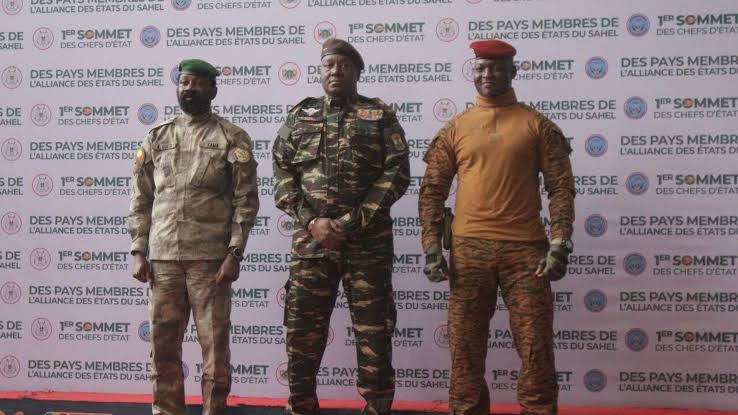
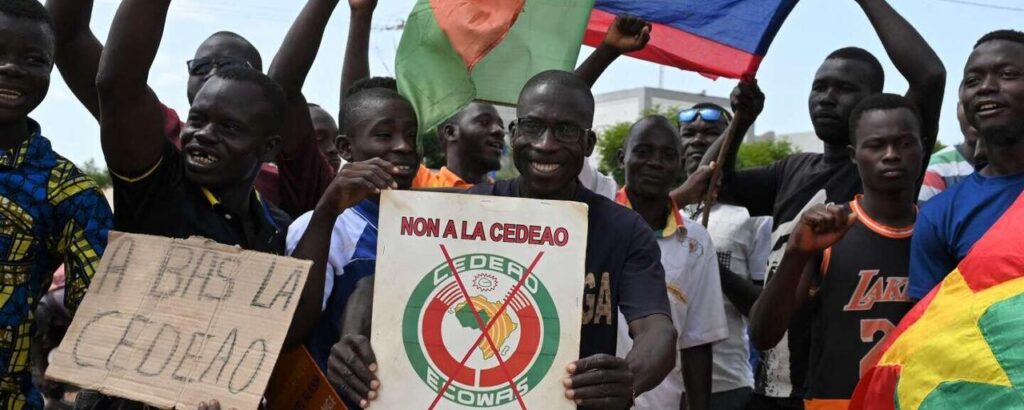
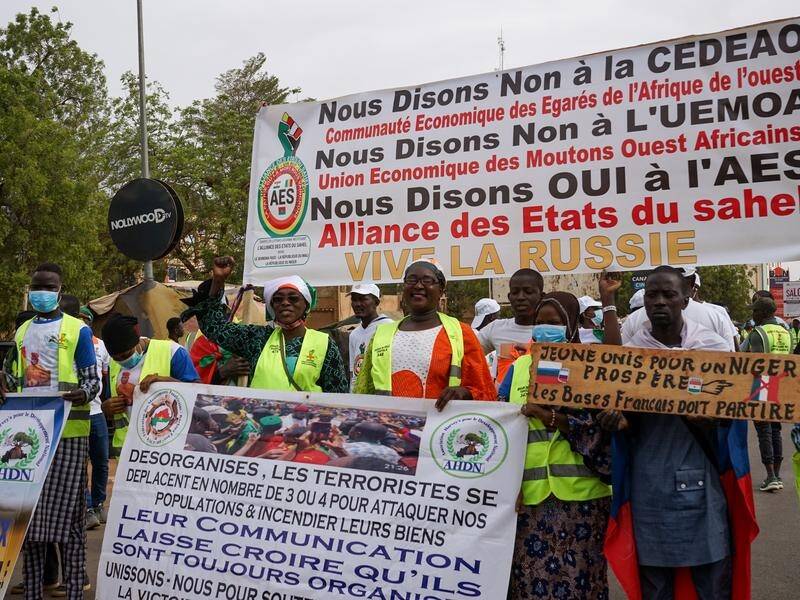
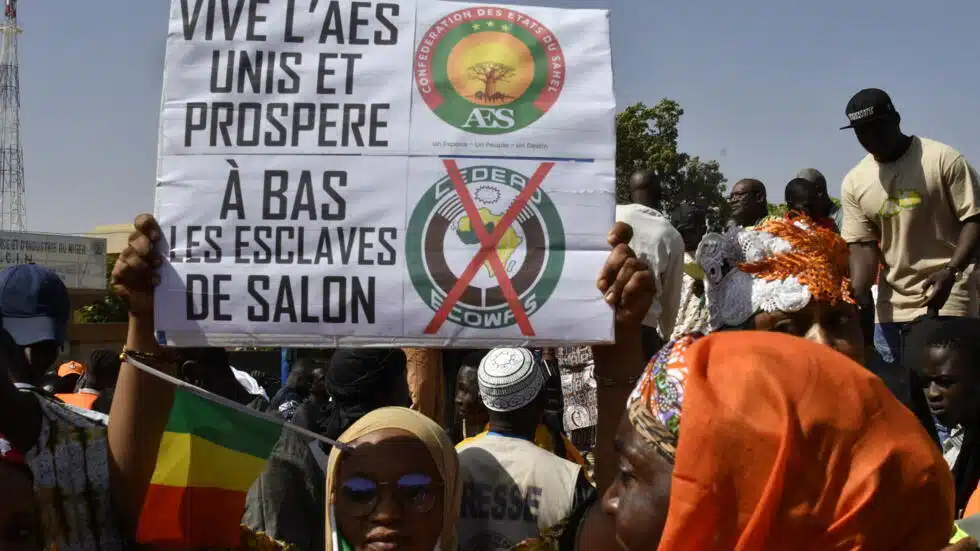
Sierra Leonean President Julius Maada Bio’s own opening framing of the summit is worth quoting directly, since it names the underlying institutional crisis plainly. Bio told the gathered leaders, “Ecowas needs profound change,” explicitly connecting that need to the organisation having been “weakened by the withdrawal of the Alliance of Sahel States.”
Here’s Côte d’Ivoire Vice President Tiémoko Meyliet Koné’s direct funding warning, worth including since it’s the piece’s sharpest documented finding. While welcoming the 2050 strategy, Koné cautioned plainly, “To achieve these goals, we need a precise and sustainable financing plan” — a specific, on-record acknowledgment from a sitting vice president that the ambitious plan’s funding remained unresolved even as it was being formally endorsed.
The connective point to material already documented elsewhere in this blog is worth naming explicitly. This is the same pattern already found in this blog’s coverage of ECOWAS’s cybersecurity endorsement and its Regional Rice Roadmap — genuine institutional ambition, formally endorsed at the highest level, paired with an immediate, on-record acknowledgment from within the bloc’s own leadership that the funding to actually deliver it doesn’t yet exist.
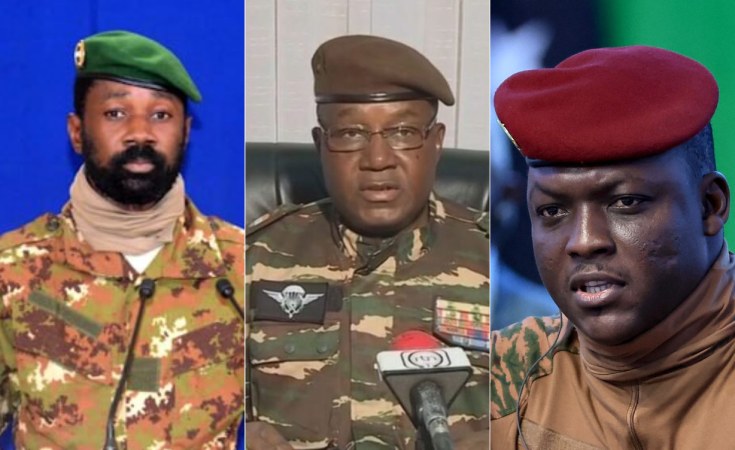
There’s a deeper irony worth naming directly, since it’s genuinely worth sitting with. ECOWAS’s response to losing three member states specifically to military-led governments was to place a career military general at the head of its own executive arm — a choice regional commentary describes as strategically deliberate, intended in part to help the organization better relate to and negotiate with exactly the kind of military-led administrations that had grown skeptical of a purely civilian, economically-focused institution.
This isn’t a scandal of corruption or broken promises. It’s a scandal of institutional identity — an organization founded explicitly to keep military governments and economic integration in separate lanes has now concluded, after losing a quarter of its member states to military coups, that surviving as an institution may require blurring exactly that line itself.
The Myth vs. The Reality
| ECOWAS’s Commission presidency has historically alternated between military and civilian leaders depending on regional security conditions | Diop’s appointment marks the first time in ECOWAS’s 50-year history that a career military officer has led the Commission |
| The ambitious “ECOWAS of the Peoples 2050” strategy endorsed alongside Diop’s appointment came with a clear, agreed funding mechanism | Côte d’Ivoire’s own Vice President publicly stated, at the same summit, that a “precise and sustainable financing plan” was still needed to achieve the strategy’s goals |
| Diop’s appointment faced meaningful competition from other candidates | He ran entirely unopposed |
| Diop’s confirmation in July 2026 meant he immediately took control of the Commission | He is not expected to formally assume the presidency until September 1, 2026, roughly six weeks after confirmation |
Close: A General for an Institution in Search of Relevance
Diop’s appointment is a genuinely significant, historically unprecedented choice, backed by real credentials and an unopposed confirmation — but it’s also an implicit admission that ECOWAS, fifty years into its existence as an economic community, now believes its survival depends partly on speaking the language of the military governments it was designed to keep at arm’s length.
Sources and further reading.
.