
A Historical In-depth Discovery of Trade in West Africa Since 1896
Here’s what you need to know:
- Guinea-Bissau’s November 26, 2025 coup — staged the day before official election results were due — drew a swift initial ECOWAS response: suspension from the bloc’s decision-making bodies within two days, and a public threat of “targeted sanctions” from Commission President Omar Touray in mid-December.
- Just eleven days later, on December 7, 2025, an attempted coup in neighboring Benin was actually crushed using real force — ECOWAS Standby Force airstrikes and ground troops from Nigeria, Côte d’Ivoire, Ghana, and Sierra Leone.
- The real documented inconsistency: independent analysis found that despite its firm initial rhetoric, ECOWAS “was not able to follow through” on its own threatened measures against Guinea-Bissau’s successful coup — even as it deployed genuine military force to prevent a coup attempt in Benin during the very same two-week window.
ECOWAS didn’t ignore Guinea-Bissau’s coup — it moved fast, suspending the country and threatening sanctions within weeks. But when a coup attempt hit Benin less than two weeks later, ECOWAS didn’t just threaten. It deployed actual airstrikes and ground troops. Understanding why one crisis got words and the other got warplanes is the real story here.
Symptom: A Region Already Stretched Thin by Coups
The broader context is worth bringing in directly, since it’s worth understanding how unusual this specific period was. ECOWAS had already been hit by a string of coups between 2020 and 2023 in Burkina Faso, Guinea, Mali, and Niger — all four of which remained under junta control as of late 2025, with three having formally exited ECOWAS entirely to form AES, already extensively documented elsewhere in this blog.
It’s worth understanding the mechanical difference between “suspension,” “sanctions,” and “military intervention” in ECOWAS’s own toolkit, since these are genuinely different levels of response. Suspension removes a country’s voting rights and participation in ECOWAS decision-making but doesn’t compel any change on the ground; sanctions — asset freezes, travel bans, border closures — impose direct economic and personal costs on those targeted; military intervention, through the ECOWAS Standby Force, is the bloc’s most forceful tool, actually using armed force to prevent or reverse a specific outcome — and ECOWAS’s response to any given crisis reveals itself largely through which of these three tools it actually reaches for, not just what it says.
The Repair: What ECOWAS Actually Did in Each Case
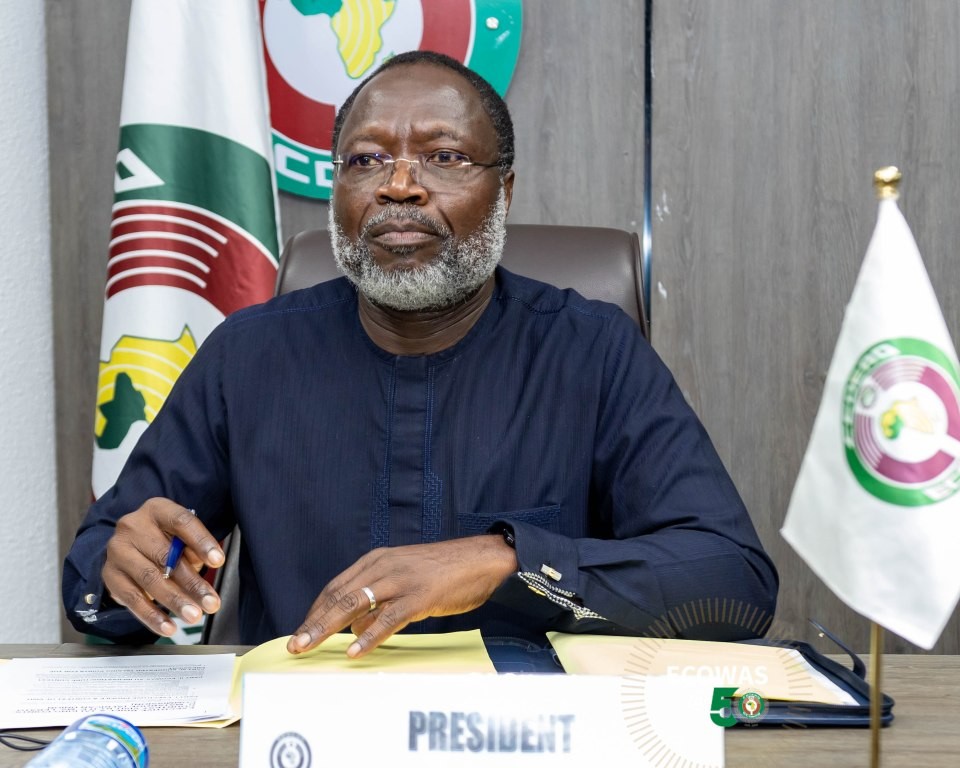
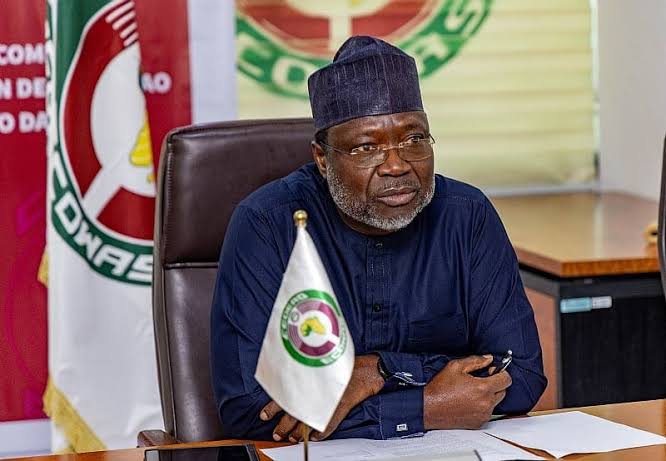
The Guinea-Bissau timeline is worth bringing in precisely. The coup occurred November 26, 2025, the day before election results were due; ECOWAS suspended Guinea-Bissau from its decision-making bodies on November 28; by December 14-15, at the bloc’s 68th Ordinary Session in Abuja, Commission President Touray publicly stated, “the authorities shall impose targeted sanctions on individuals or groups of persons that obstruct the transition process.”
There are additional measures ECOWAS instructed alongside this threat worth noting, since it shows real institutional activity. The bloc demanded the release of political detainees and instructed its Commission to urgently “operationalise the long-planned Regional Counterterrorism Brigade,” alongside mandating a high-level Mediation Mission to engage directly with Guinea-Bissau’s coup leaders.
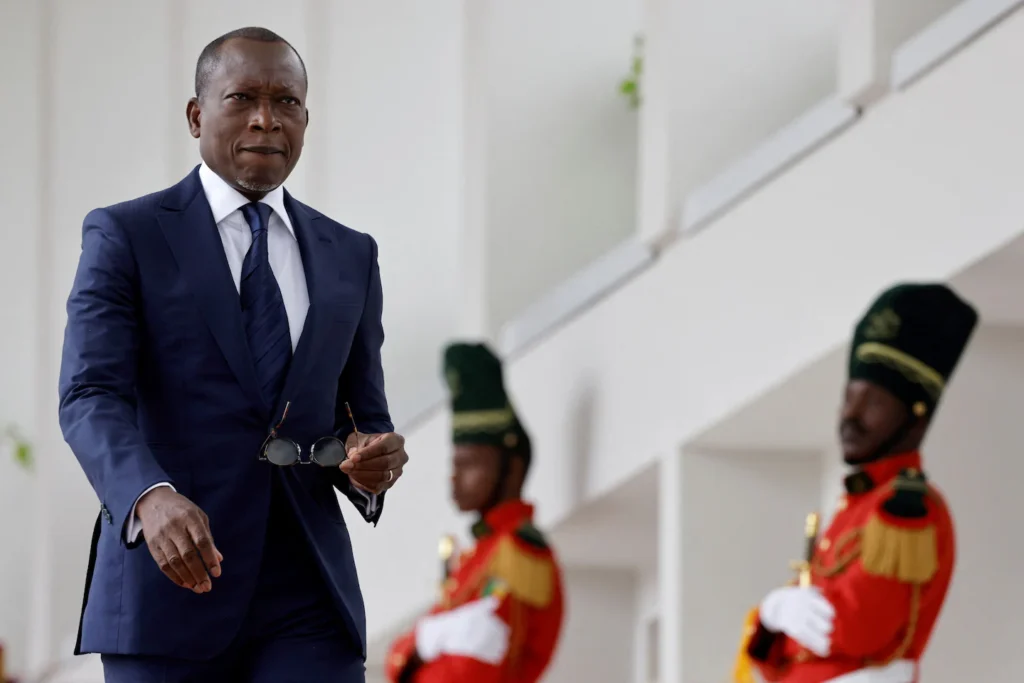
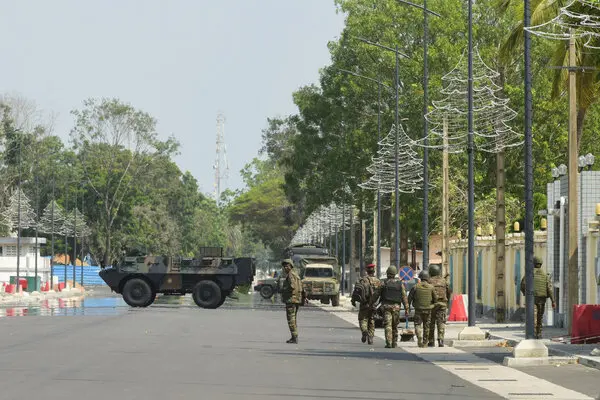
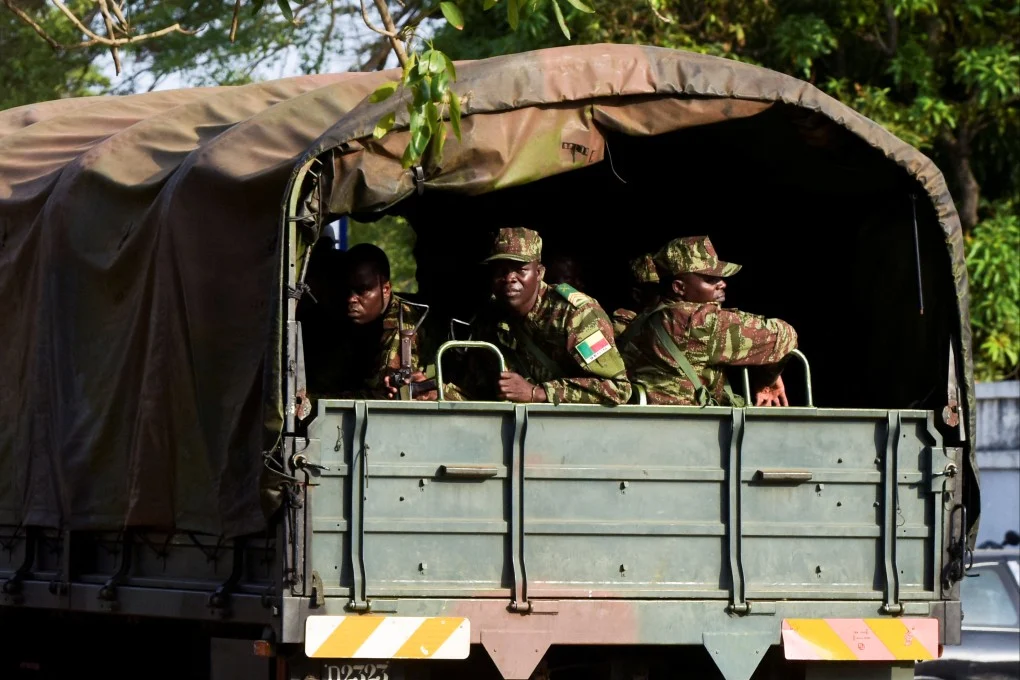
The Benin case is worth bringing in directly, since it’s the piece’s central point of comparison. The coup attempt began in the early hours of December 7, 2025, in Cotonou — and was thwarted through a combination of loyal Beninese armed forces and an ECOWAS Standby Force spearheaded by Nigeria, which conducted actual airstrikes against the putschists, with French special forces separately providing logistical and intelligence support in a deliberately low-profile role.
The Track Record: The Follow-Through Gap
Here’s the piece’s central documented finding, worth introducing directly. Independent regional analysis concluded that “despite the firm and appropriate initial response from both ECOWAS and the [African Union Peace and Security Council], neither was able to follow through on their initial demand nor on the warning from ECOWAS that it reserved the right to use all options.”
The contrast is worth stating precisely. Benin’s coup attempt was met with actual armed intervention that physically prevented the putschists from succeeding, while Guinea-Bissau’s already-successful coup was met with suspension, a mediation mission, and a sanctions threat that, by the same analysis, was never actually followed through on with the same force.
There’s a security backdrop that may partly explain this asymmetry worth including for fairness. ECOWAS Commission President Touray separately cited 450 attacks and over 1,900 deaths across the region between January and November 2025 alone, describing “economic warfare” being waged by Islamist insurgent groups — a security environment stretched thin enough that mobilizing the Standby Force for two separate crises within two weeks may simply not have been operationally realistic, regardless of political will.
There’s a practical, human consequence of Guinea-Bissau’s unresolved situation worth including directly. Nigeria granted asylum to Guinea-Bissau’s opposition presidential candidate, with Nigerian officials stating the move was intended “to prevent further deterioration of tensions and to promote social cohesion in Guinea-Bissau” — a diplomatic accommodation that, months later, reflected a crisis still without full resolution.
The real inconsistency in ECOWAS’s coup response this period wasn’t a simple “sanctions for Niger, nothing for Guinea-Bissau” story. It was a documented gap between the bloc’s willingness to use actual force to prevent a coup in one country, and its inability, whether due to political limits or operational overstretch, to follow through with comparable force after a coup had already succeeded in another.
The Myth vs. The Reality
| ECOWAS issued no meaningful response to Guinea-Bissau’s November 2025 coup | ECOWAS suspended Guinea-Bissau within two days and publicly threatened targeted sanctions, though independent analysis found it failed to follow through on that threat with comparable force |
| ECOWAS’s coup response strategy has remained consistent across every recent crisis regardless of whether a coup succeeded or was only attempted | The bloc deployed actual military force, including airstrikes, to prevent a separate coup attempt in Benin just eleven days later, showing a genuine, documented gap in response strength between the two crises |
| ECOWAS’s weaker response to Guinea-Bissau reflects a simple lack of political will | A cited security environment of 450 attacks and nearly 2,000 deaths across the region in under a year suggests operational overstretch may have played a real role alongside any political factors |
| Guinea-Bissau’s coup crisis had been fully resolved by the time of ECOWAS’s December summit | Nigeria’s decision to grant asylum to the opposition presidential candidate around this same period reflected a crisis still unresolved months later |
Close: Prevention Gets Force, Aftermath Gets Threats
ECOWAS’s actual coup-response pattern in late 2025 reveals something more specific and more interesting than simple inconsistency for its own sake — the bloc showed real willingness and capacity to use force to stop a coup from succeeding, but struggled to translate that same resolve into follow-through once a coup had already happened, even while making comparably strong initial threats.
Sources and further reading.