

A Historical In-depth Discovery of Trade in West Africa Since 1896
Here’s what you need to know:
- Ghana’s cedi lost 54% of its value against the dollar in 2022 alone — one of the worst-performing currencies in the world that year — directly contributing to Ghana’s December 2022 sovereign debt default and a $3 billion IMF Extended Credit Facility approved in 2023.
- The recovery that followed was genuinely dramatic: inflation fell from 54.1% in December 2022 to roughly 15% by early 2026, the cedi regained more than 60% of its value at points, and Ghana’s primary fiscal balance swung from a 4.3% GDP deficit to a 1.5% surplus.
- The scandal, worth taking seriously: by mid-2026, the cedi was declining again due to rising dollar demand from businesses, while Nigeria’s naira — Ghana’s key ECOWAS trading partner, and a currency that was crashing in parallel back in 2022 — had become “one of Africa’s strongest currencies,” a complete reversal of the two countries’ relative currency positions in less than four years.
In 2022, Ghana’s cedi and Nigeria’s naira were both in genuine free fall, dragging down cross-border trade between West Africa’s two largest economies at the same time. By 2026, one had staged a dramatic recovery and then relapsed, while the other had quietly become one of the continent’s strongest currencies. This is the story of how that happened, and what it’s meant for the trade between them.
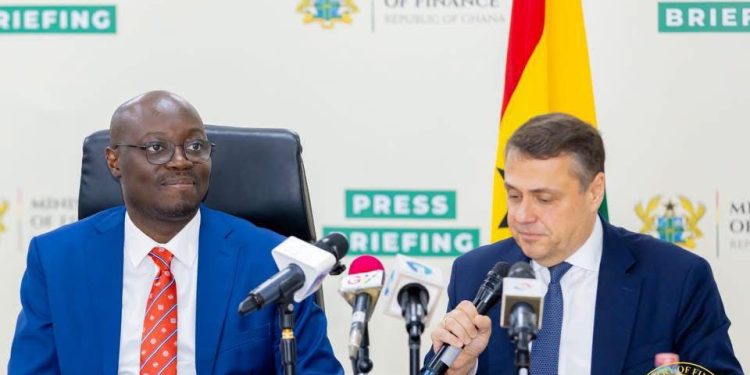
The Crash: What Actually Happened in 2022
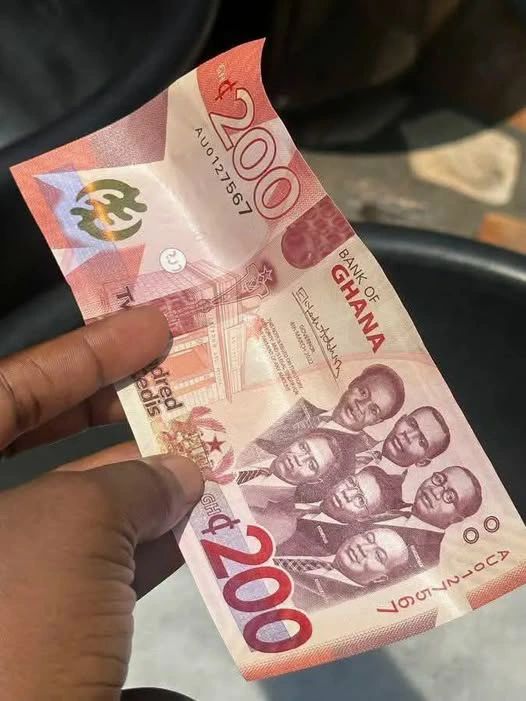
The scale of the 2022 collapse is worth bringing in directly, since it’s worth establishing precisely. The cedi depreciated by nearly 54% against the US dollar in 2022 alone, placing it among the worst-performing currencies in the world that year, with Bloomberg specifically reporting it had fallen to the 148th position among global currencies by October 2022.
It’s worth understanding why currency depreciation this severe directly complicates cross-border trade. When a currency loses half its value against the dollar in a single year, businesses trading across borders face genuine uncertainty about what a contract signed in January will actually be worth by December — a Ghanaian importer receiving goods priced in dollars or a stable regional currency effectively pays dramatically more in cedi terms as the year goes on, making cross-border pricing and payment terms with trading partners like Nigeria far harder to plan around.
There’s a direct consequence this depreciation produced worth bringing in. Ghana lost access to international financial markets, defaulted on its sovereign debt in December 2022, and saw debt-to-GDP reach 92.4%, forcing the government to seek IMF assistance after years of resisting it.
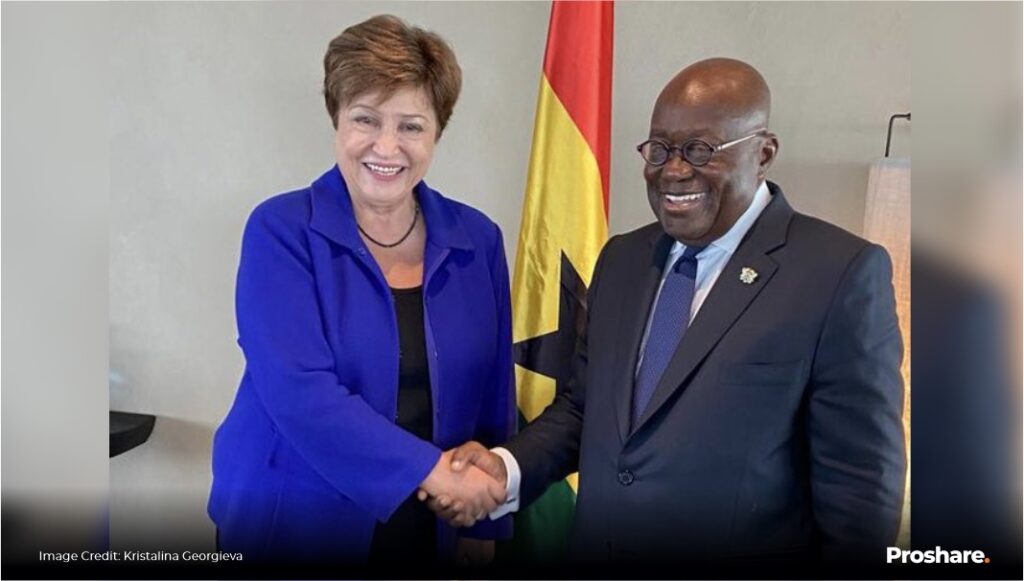
The Recovery: A Genuinely Dramatic Turnaround
The IMF program and its actual results are worth bringing in directly, since the recovery deserves real credit. Ghana’s $3 billion IMF Extended Credit Facility, approved in 2023, restored policy credibility through fiscal discipline, with the primary fiscal balance swinging from a 4.3% GDP deficit in 2022 to a 1.5% surplus by 2025.
There are specific, measurable improvements this produced worth noting. Inflation fell from 54.1% in December 2022 to roughly 15% by early 2026, restructured dollar bond yields compressed from above 20% to around 9%, and debt service, which had consumed 45% of government revenue at the crisis peak, dropped by an estimated 8 percentage points as the currency recovered.
There’s a comparative framing worth including, since it shows the recovery in relative terms. The cedi’s roughly 33% gain since 2022 outperformed regional peers including Nigeria’s naira during this recovery period.
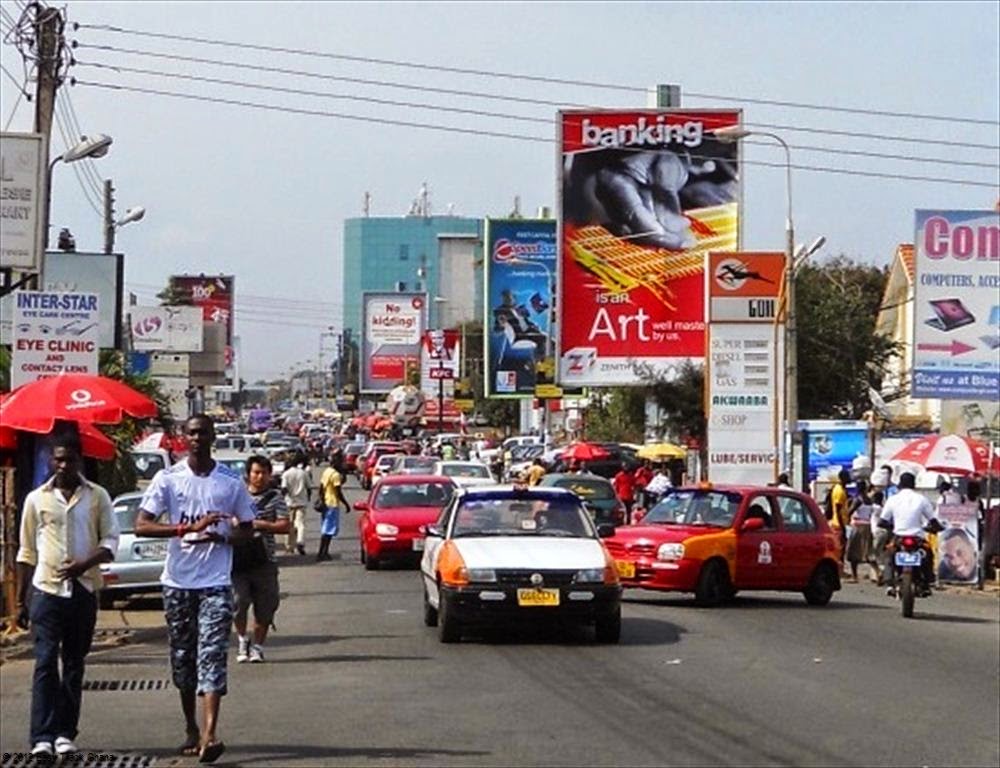
The Reversal: What 2026 Actually Looks Like
Here’s the piece’s central and most surprising finding, worth introducing directly. By mid-2026, the cedi was declining again — not due to a return to 2022-style crisis conditions, but because businesses needed more dollars than available supply could meet.
The direct analysis of this distinction is worth including precisely. One financial analysis stated plainly, “Ghana is not back in the currency crisis of 2022 and 2023. The current problem is more specific. Businesses need more dollars, while available supply has not always been enough to meet that demand.”
The naira’s genuinely surprising parallel trajectory is worth bringing in, since it’s the scandal’s sharpest point. As of July 28, 2026, the naira had gained 5.58% against the dollar for the year, making it, in the same analysis’s words, “one of Africa’s strongest currencies in 2026” — a description that would have seemed almost unimaginable in 2022, when both currencies were collapsing together.
It’s worth stating the reversal explicitly. The two currencies that crashed in tandem in 2022, complicating cross-border ECOWAS trade between Ghana and Nigeria simultaneously, had by 2026 completely swapped positions — Ghana’s currency sliding from a celebrated recovery story back into fresh uncertainty, while Nigeria’s currency, the subject of years of devaluation coverage already documented elsewhere in this blog, had become a genuine regional strength story.
There’s an underlying vulnerability this reversal exposes worth including as a broader lesson. Continued reliance on gold exports and IMF funding leaves Ghana’s currency recovery genuinely exposed to external shocks, with some analysts specifically attributing periods of cedi appreciation to global factors like broader US economic trends rather than purely domestic policy success — meaning the same currency could plausibly swing back toward strength or weakness again, largely independent of anything Ghana’s own government does.
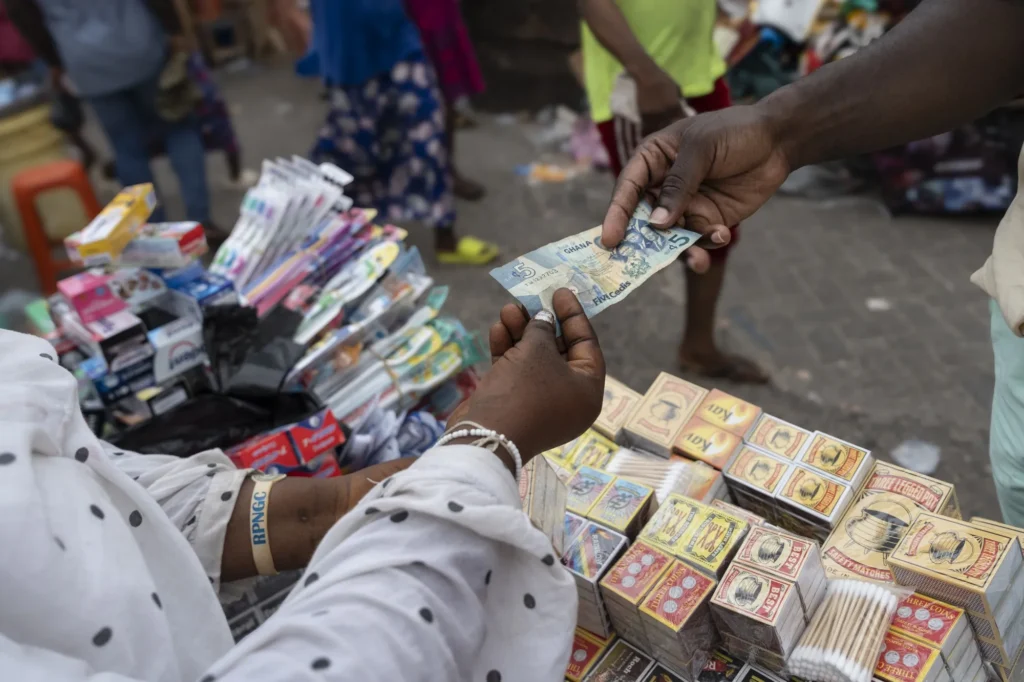
The Myth vs. The Reality
| What people assume | What actually happened |
| Ghana’s cedi has maintained a stable, uninterrupted recovery since its dramatic 2022 collapse | By mid-2026, the cedi was declining again due to dollar demand pressures, even after a genuinely dramatic 2023-2025 recovery |
| Nigeria’s naira has remained one of the region’s weaker currencies throughout the period following the 2022 crisis | The naira, which crashed in parallel with the cedi in 2022, had become one of Africa’s strongest currencies by 2026 |
| The cedi’s current 2026 weakness reflects a return to 2022-style crisis conditions | Analysts describe it as a more specific dollar-supply imbalance, distinct from the broader fiscal and debt crisis of 2022-2023 |
| Ghana’s currency recovery reflects purely domestic policy success | Some analysts attribute periods of cedi appreciation partly to global factors like US economic trends, not solely domestic reforms |
Close: Currency Stability Is a Moving Target, Not a Finish Line
The cedi’s 2022 collapse and subsequent recovery represent a genuine, well-documented economic achievement — but the currency’s fresh 2026 weakness, arriving right as Nigeria’s naira reached genuine regional strength, shows that currency stability in West Africa isn’t a problem any single country solves once and keeps solved.
Sources and further reading.