

A Historical In-depth Discovery of Trade in West Africa Since 1896
Here’s what you need to know:
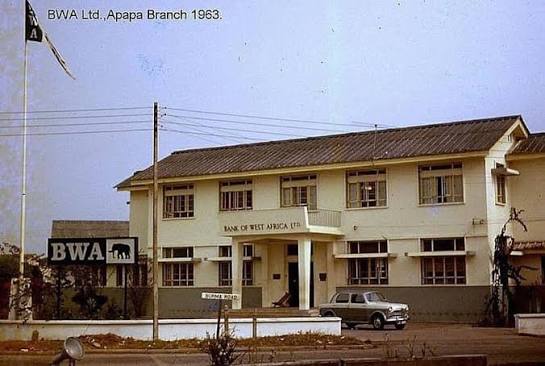
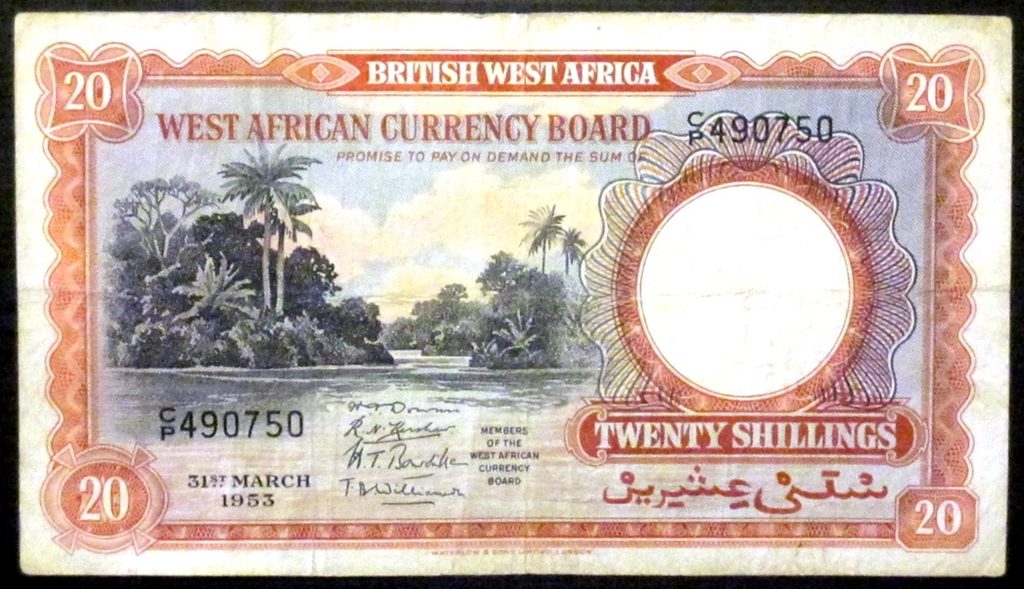
- The West African Currency Board, established in 1912, issued West African pound notes and coins exclusively through BBWA, which acted simultaneously as its operating agent and as government banker to all four separate British West African colonial administrations — the Gambia, Sierra Leone, the Gold Coast, and Nigeria.
- In that exact same year, 1912, BBWA also absorbed the “Bank of Nigeria” — a rival institution local merchants had specifically established in 1899 or 1902 as a competitor to BBWA’s own dominance — meaning West Africa’s second serious attempt at indigenous or independent banking competition collapsed into BBWA’s hands the very same year the bank’s institutional power expanded further still.
- The scandal is quantified directly in the currency board’s own surviving profit records: between 1912 and 1950, the WACB distributed £8.7 million in profits across its four member colonies — but that distribution was wildly uneven, with Nigeria receiving 52%, the Gold Coast 38%, Sierra Leone just 8%, and the Gambia a mere 2%, even though all four territories were nominally equal partners inside the same shared monetary system.
The System: What the Currency Board Actually Was, and Why BBWA Sat at Its Center
It’s worth understanding precisely why the British government created the West African Currency Board in 1912, since the underlying motive wasn’t simply administrative tidiness. Between 1901 and 1910, roughly 40% of all coins struck in the United Kingdom were circulating specifically in Britain’s West African colonies — a genuinely enormous share of national coinage output tied up in colonial commerce. This created a real institutional tension: the British Treasury feared the destabilizing effects of a sudden repatriation of this currency, while the Colonial Office, responsible for colonial welfare, “envied the profits realized by the Treasury,” which held the exclusive power to strike the coins in the first place. The WACB was created in 1912 specifically to resolve this internal British bureaucratic rivalry, not primarily to serve West African economic interests — and academic research on this founding period concludes directly that “the Colonial Office” ultimately “succeeded in dominating the situation,” winning effective control of the new commission.
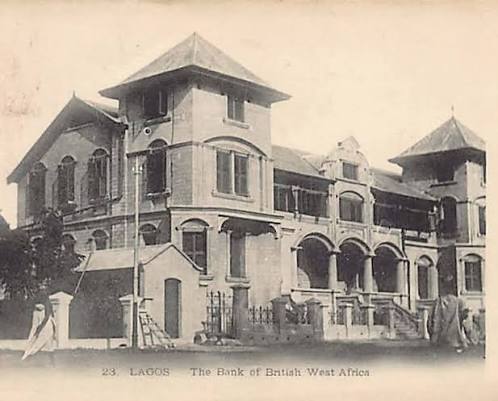
It’s worth explaining the specific mechanical role BBWA occupied inside this new system, since it represented an extraordinary concentration of operational authority. West African coins and notes were issued by BBWA on behalf of the WACB, against reserves of sterling-denominated assets held in London — meaning the actual physical distribution of currency across all four colonies ran directly through a single private bank’s own branch network, rather than through any independent central banking authority based in the region itself. Academic research states the underlying purpose of this arrangement with unusual directness: the WACB “was designed to maintain the convertibility of the West African pound to the British pound at par, primarily to serve the interest of banks and merchant firms headquartered in London.”
There’s a specific structural cost worth including, since it quantifies what this arrangement actually took away from West African development. The WACB’s strict 100% reserve ratio requirement — every West African pound issued had to be backed by an equivalent sterling deposit in London — meant, as academic research states plainly, that this policy “tied up funds which might have been used for local development purposes.” Money that West African trade generated was, by design, held in London reserves rather than being available for reinvestment within the territories that had actually earned it.
The Second Absorption: A Pattern Worth Naming Directly
Here is a genuinely important finding worth stating precisely, since it directly parallels and extends the pattern this blog has already documented in BBWA’s 1893-94 absorption of the African Banking Corporation’s Lagos operation. According to BBWA’s own institutional timeline, in 1912 — the exact same year the currency board was established and BBWA became its operating agent — BBWA also “took over the activities of Bank of Nigeria, which local merchants had established in 1899 or 1902 to create a competitor to BBWA.”
This detail deserves emphasis on its own terms. West African merchants had already tried, roughly a decade before this second absorption, to build their own independent banking alternative specifically to escape BBWA’s dominance — a genuine, documented act of local commercial agency, predating even the more famous later indigenous banking movement this blog has already traced through the 1929 Industrial and Commercial Bank and the African Continental Bank crisis. That earlier merchant-led venture, the Bank of Nigeria, did not survive independently. It was absorbed into BBWA in precisely the same year BBWA’s institutional power over the region’s entire currency system was formally expanding through the new WACB arrangement — a genuinely striking coincidence of timing, whether or not the two events were directly connected, showing BBWA consolidating both its formal currency authority and its remaining commercial banking competition within the same twelve months.
The Scandal: What the Currency Board’s Own Numbers Actually Show
Here is the piece’s central, most precisely quantified finding, worth stating directly since it comes from the currency board’s own surviving distribution records. Between 1912 and 1950, the WACB distributed a total of £8.7 million in profits across its four member colonial governments. The breakdown was genuinely uneven: Nigeria received £4.5 million (52%), the Gold Coast £3.3 million (38%), Sierra Leone just £0.7 million (8%), and the Gambia a mere £0.2 million (2%).
It’s worth stating what this distribution actually reveals. A currency board explicitly structured around “one bank, four governments” — a single institutional and monetary system nominally uniting four separate British colonies as equal participants — in practice channeled the overwhelming majority of its accumulated profit toward its two largest, most commercially developed territories, leaving Sierra Leone and especially the Gambia with only a small fraction of the shared system’s total return. This wasn’t simply an unfortunate byproduct of differing economic scale between the four colonies — it reflects the underlying reality that a currency system administered from London, through a single London-headquartered bank’s own branch network, distributed its benefits according to where existing British commercial activity was already most concentrated, rather than according to any deliberate policy of equitable regional development.
Close
BBWA’s role as operating agent for four separate colonial governments simultaneously represented a genuinely extraordinary concentration of financial power in a single private institution — one still tracing its lineage directly back to Alfred Jones’s founding shipping monopoly, sitting at the literal operational center of an entire region’s currency issuance decades after its founder’s death. That concentration wasn’t merely symbolic: it coincided precisely with BBWA’s absorption of the second documented instance of independent West African banking competition, and it operated a currency system whose own surviving profit records show a strikingly uneven distribution of benefit across the four territories it nominally served equally. A single bank, answering to shareholders and management rooted in Liverpool and London, held functional custody over the actual money four separate African colonial economies depended on to function — a concentration of authority this blog’s broader BBWA coverage suggests was never really designed to serve those economies’ own development in the first place.
Sources and further reading.