A Historical In-depth Discovery of Trade in West Africa Since 1896
Here’s what you need to know:
- Charles-Auguste Verminck was born in 1827 in the small French town of Fuveau, the son of a schoolteacher — not born into a merchant dynasty, but a self-made trader who earned the nickname “Crocodile” for his business instincts.
- He left for Liberia, Sierra Leone, and Côte d’Ivoire at just 18 years old to found trading posts, before the 1863 loss of his own transatlantic shipping venture, the SS Charles-Martel, redirected his ambitions permanently toward West Africa.
- The scandal: Verminck’s Marseille-based trading firm didn’t just sell goods — it directly patronized and funded European geographic exploration expeditions into West Africa’s interior, including the 1879 expedition that identified the source of the Niger River, years before formal French colonization began.
- His company would later be absorbed into CFAO in 1887, but its actual founding “DNA” — private commerce directly bankrolling the reconnaissance that colonial conquest would later follow — was set decades earlier, in a life story most retellings present as a simple rags-to-riches trading legend.
Here’s the legend, as it’s usually told: an ambitious 18-year-old leaves Marseille, builds a trading empire across the West African coast through sheer business instinct, earns a nickname reflecting his sharp commercial senses, and eventually founds the company that becomes CFAO. A clean, admirable entrepreneurial origin story.
Here’s what actually happened underneath that legend — and it complicates the “self-made trader” story in ways the plaques don’t mention.
Part One: Fuveau, Not Marseille
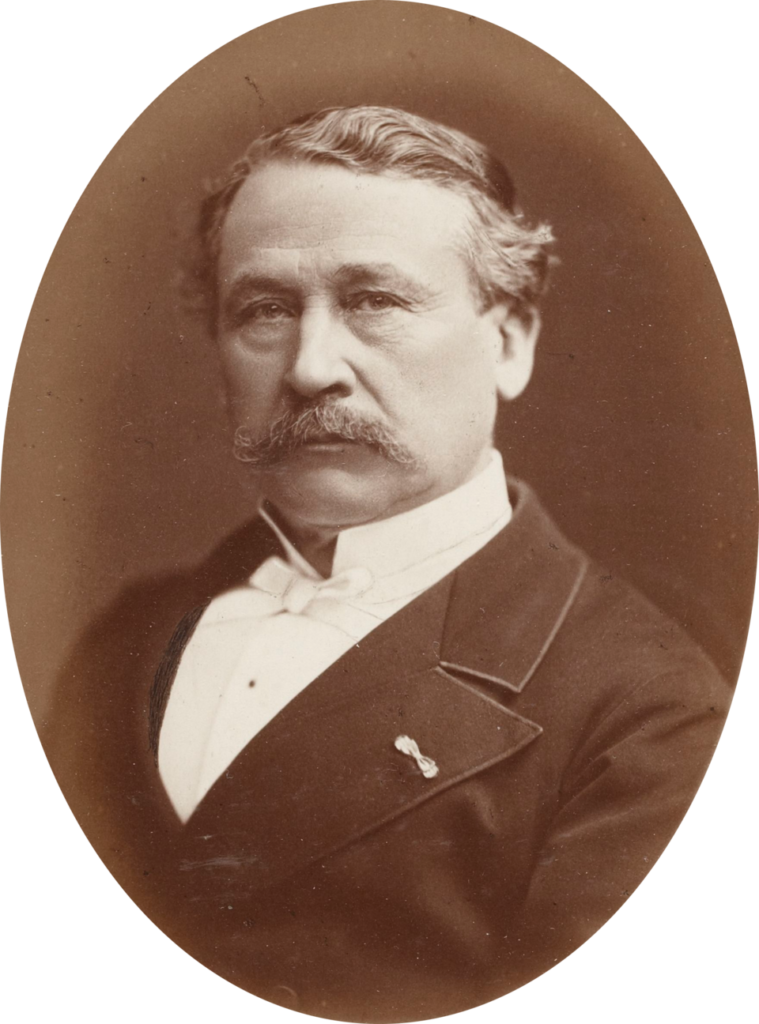
It’s worth correcting the common framing directly. Verminck wasn’t a Marseille-born son of established merchant wealth. He was born in 1827 in Fuveau, a small town outside the city, the eldest of thirteen or fourteen children of Charles Joseph Verminck, a schoolteacher who had founded the town’s public school in 1824.
This origin actually tells us something real. This was a genuinely modest background for someone who would go on to control commercial networks spanning multiple West African coastal territories — the “self-made” element of his story is, in this specific respect, accurate.
The “Crocodile” nickname is worth explaining directly, since it’s central to how he’s remembered. It was given to him in recognition of his business instincts — a reputation for being sharp, patient, and dangerous to underestimate in negotiation, cemented well before he ever set foot back in France to formalize a company.
Part Two: Eighteen Years Old, Three Territories
His early trading career is worth laying out precisely. At 18, Verminck left for Liberia, Sierra Leone, and Côte d’Ivoire specifically to establish trading posts — a remarkably young age to be founding independent commercial operations across three distinct coastal territories, each with its own local political and trading structures to navigate.
It’s worth explaining why this era mattered so much for what came next. This was the exact period when, following British abolition efforts and Portuguese imperial decline in the region, French naval forces under Admiral Bouët-Willaumez were securing exclusive access to the palm oil trade for Marseille-based trading houses specifically. Verminck’s early trading posts weren’t operating in a neutral commercial environment — they were operating inside a coastal trade network France’s own navy had already worked to secure for firms exactly like his.
Part Three: The Shipwreck That Changed Everything
Here’s the pivot event. Verminck’s own transatlantic shipping venture, the SS Charles-Martel, was lost at sea in 1863 — a personal and financial setback that, rather than ending his ambitions, redirected them permanently toward the African coast rather than transatlantic shipping more broadly.
The significance of this redirection is worth stating precisely. Had the Charles-Martel not been lost, Verminck’s business might have developed along a different transatlantic trajectory entirely. The entire institutional lineage that eventually produced CFAO traces back, in part, to a single maritime disaster reshaping one man’s strategic priorities.
The Scandal: Commerce as Reconnaissance
Here’s the piece’s central, underexamined fact. Verminck’s Marseille trading company didn’t simply buy and sell goods along the coast. It directly patronized geographic exploration expeditions into the West African interior.
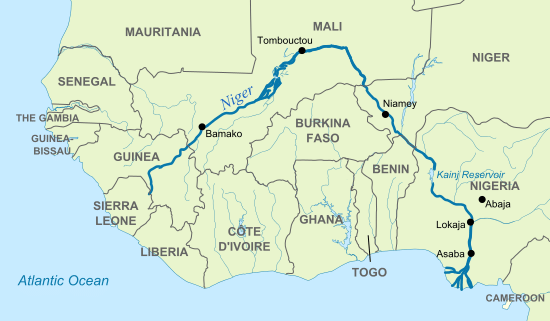
The specific, documented expedition is sourced to a genuine 19th-century diplomatic record. In 1879, two French explorers, Zweifel and Moustier, set out from Sierra Leone “under the patronage” of Verminck — described in the source record as “merchant at Sierra Leone and at Marseilles” — and successfully identified the source of the Niger River, following a route through Falabah in what’s now Sierra Leone’s interior.
Why this connection between commerce and exploration matters is direct. This expedition happened years before formal French colonization of the interior began — meaning a private commercial firm was funding the exact kind of geographic reconnaissance that colonial military and administrative expansion would later depend on, well before any formal colonial claim existed.
The popular version of this story treats Verminck as simply an ambitious trader who happened to build a successful company. The documented record shows a merchant whose commercial network was directly entangled with, and actively funding, the exploratory groundwork for territorial expansion into Africa’s interior — commerce and conquest were never actually separate projects in this story. They were the same project from the start.
Part Four: From Trading Company to Government-Subsidized Instrument
Bring the story forward to its formal institutional shape. Verminck’s Senegal-focused trading operations were eventually formalized as the Compagnie du Sénégal et de la Côte occidentale d’Afrique, which — like the separate French Equatorial African Association — received direct financial subsidies from the French government under Léon Gambetta’s administration, explicitly intended to help establish France’s political claims on the lower Niger River.
This is the same institutional pattern already documented elsewhere in this blog with the Royal Niger Company — a private trading company, backed by direct state subsidy, functioning as an instrument of territorial claim-staking rather than operating as a purely commercial enterprise.
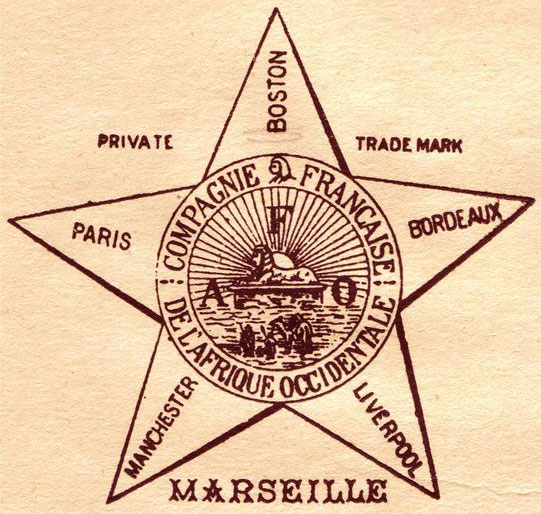
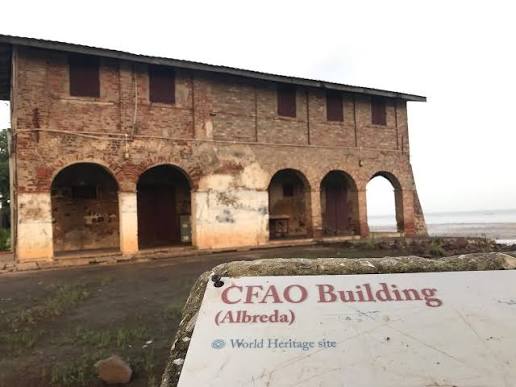
There’s a direct institutional lineage worth naming. This company, restructured and renamed in 1887 under Verminck’s son-in-law Frédéric Bohn, became CFAO — meaning the corporation that would go on to dominate French West African commerce for well over a century traces its actual founding purpose not to trade alone, but to trade explicitly deployed in service of French territorial ambition.
The Myth vs. The Reality
What people assume | What actually happened |
| Verminck’s story is a straightforward tale of individual entrepreneurial ambition and business success | His trading network directly patronized geographic exploration expeditions into the African interior years before formal colonization began |
| CFAO’s predecessor companies were purely commercial ventures, separate from French colonial territorial expansion | Verminck’s formalized company received direct French government subsidies specifically intended to help stake territorial claims |
| Verminck operated in a neutral, open commercial environment as a young trader | His trading posts operated inside a coastal palm oil network France’s own navy had already secured exclusively for Marseille-based firms |
| CFAO’s later monopoly power emerged separately from its founding origins | The company’s founding purpose was already entangled with territorial conquest, decades before CFAO was formally created in 1887 |
Close: The DNA Was Always There
CFAO’s later history — the monopoly power, the credit-extraction system, the near-total capture of French West Africa’s formal economy — didn’t emerge from nowhere in 1887. It traces directly back to a company whose founder was, from his earliest ventures, financing the exploratory and political groundwork of territorial expansion alongside his trading operations.
Understanding CFAO’s later, well-documented sovereignty-eroding practices, already covered elsewhere in this series, starts with recognizing that the company’s founding “DNA” was never purely commercial to begin with — trade and territorial conquest were bound together from the very first expedition Verminck’s money helped fund.
Sources and further reading.