A Historical In-depth Discovery of Trade in West Africa Since 1896
Here’s what you need to know:
- Verminck’s Compagnie du Sénégal, along with a sister French firm subsidized under the same government program, received direct funding from Léon Gambetta’s administration specifically to secure French political claims on the lower Niger River.
- At its peak, the Compagnie du Sénégal operated 14 trading posts along the Niger and Benue rivers, part of a broader French effort to out-compete British trading interests in the region.
- The scandal: after Gambetta’s death in 1882 and a punishing price war against British rival George Goldie’s United African Company, France’s subsidized Niger trading network collapsed — selling its interests to the British in October 1884, just weeks before the Berlin Conference formally divided the region.
- That collapse handed Britain a decisive commercial and diplomatic advantage at Berlin, directly shaping why the lower Niger — and eventually all of Nigeria — became British territory rather than French.
Part One: The Government’s Bet
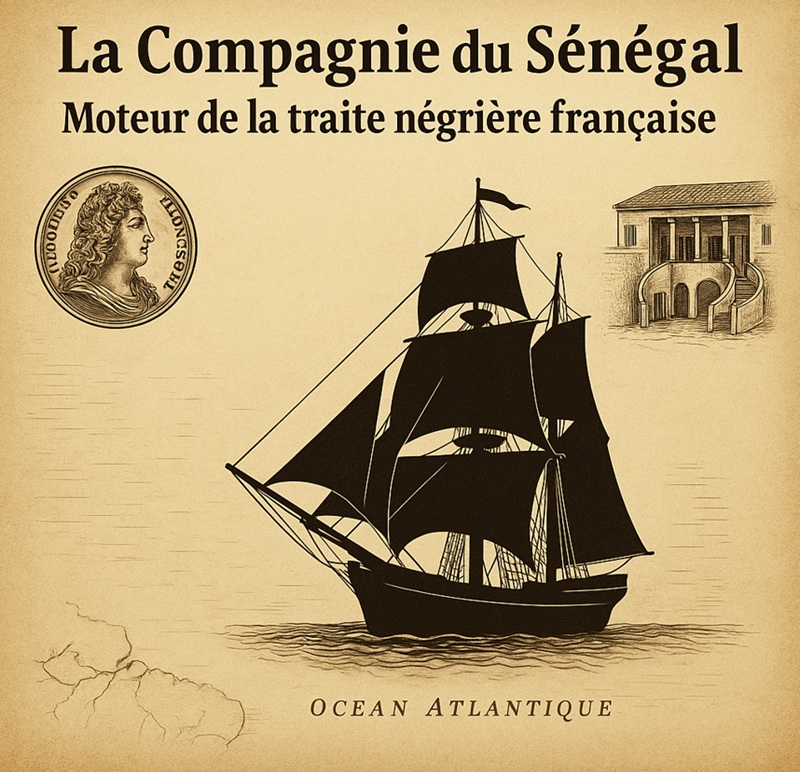
Under Prime Minister Léon Gambetta’s administration, the French government directly subsidized two trading companies operating along the lower Niger: Verminck’s Compagnie du Sénégal et de la Côte occidentale d’Afrique, and a sister firm, the Société française de l’Afrique équatoriale, founded in 1878 by the Parisian firm Huchet & Desprez.
The stated purpose of this subsidy arrangement was explicit. Both companies existed specifically to help establish France’s political claims on the lower Niger — commercial operations funded directly by the state, not for pure profit, but as a tool of territorial strategy.
The scale each company reached is worth stating directly. At its peak, Verminck’s Compagnie du Sénégal operated 14 trading posts along the Niger and Benue rivers. The SFAE, its sister-subsidized firm, operated an even larger network of 19 trading posts across the same river system — together representing a substantial, government-backed French commercial footprint across the exact territory both companies had been funded to help secure.

Part Two: The Rival Racing the Same River
Understanding the British competitor is essential to understanding what happened next. In 1879, British colonial administrator George Taubman Goldie formed the United African Company, modeled explicitly on the old East India Company, and began systematically consolidating control over trade along the Lower Niger.
The scale of Goldie’s own expansion makes for a direct comparison. By 1884, Goldie’s company had acquired 30 trading posts along the Lower Niger — already outpacing either individual French firm, and closing in on the combined French network’s total footprint.
This wasn’t simply two sets of merchants doing business in the same general region. It was a direct commercial race between a French government-subsidized strategy and a British company explicitly building toward the exact kind of monopoly position that could determine national territorial claims.
The Scandal: Sold Out Before the Conference Even Began
Here’s the piece’s central and most consequential fact. Gambetta, the political architect of France’s Niger subsidy strategy, died in 1882 — removing the program’s driving political sponsor at the exact moment the competitive pressure from Goldie’s expanding British operation was intensifying.
The price war and its outcome are worth stating precisely, sourced directly to the historical record. Following a years-long price war against Goldie’s company, and in the wake of Gambetta’s death, France’s subsidized Niger operation collapsed — with the Société française de l’Afrique équatoriale selling its interests in the region to the British United African Company in October 1884.
Here’s the scandal’s sharpest edge: this sale happened just weeks before the Berlin Conference convened that November — the exact meeting, already covered extensively elsewhere in this blog’s historical series, where European powers formally divided African territory based substantially on which powers already held effective, demonstrated commercial control on the ground.
The direct consequence is worth spelling out. Goldie’s now-dominant trading network, freshly expanded by absorbing his former French competitors’ entire commercial position, gave Britain a decisive practical advantage heading into Berlin — a claim to “effective occupation” that France’s collapsed, subsidized strategy could no longer credibly contest.
The French government had spent years and real public subsidy money funding private companies specifically to win a territorial contest through commercial dominance. That entire strategy fell apart in a private price war, handing the exact commercial leverage it was built to secure directly to the rival power it was designed to beat, in the very weeks that leverage would have mattered most.
Part Three: What Survived, & What Didn’t
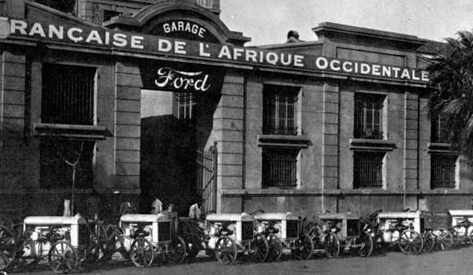
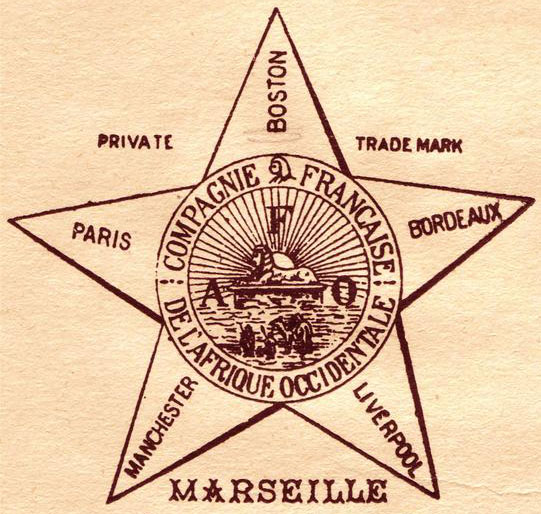
It’s worth clarifying precisely what this meant for Verminck’s own company specifically, since the story doesn’t end in total collapse. While the Niger and Benue river trading network was lost to British control, Verminck’s broader West African commercial operations — centered on Senegal and the wider coast — continued and were eventually reorganized in 1887 into the Compagnie Française de l’Afrique Occidentale.
CFAO’s founding didn’t emerge from a triumphant Niger strategy. It emerged from what was left over after that specific strategy failed, with the company’s founders redirecting toward the territories France did successfully hold rather than the Niger corridor it had just lost.
There’s a broader historical irony worth naming. The Berlin Conference, already documented in this blog as carving up West Africa without a single African representative present, was also shaped by a commercial failure between European rivals that had nothing to do with the merits of any territorial claim. Britain’s hold on the lower Niger traces in real part to a French subsidy program that collapsed in a price war weeks before the decisive diplomatic meeting.
The Myth vs. The Reality
| What people assume | What actually happened |
| European colonial territorial claims in this era were decided primarily through formal diplomatic negotiation at conferences like Berlin | Effective on-the-ground commercial control, established before the conference even convened, substantially shaped which claims were recognized |
| France’s absence from eventual control over the Niger and Nigeria was simply a diplomatic outcome decided at the Berlin Conference table | France’s position on the lower Niger was undermined weeks before Berlin by a private companies’ price war and government subsidy program collapse |
| Verminck’s company failed to secure the Niger due to weak commercial strategy from the start | The company operated 14 trading posts at its peak, part of a substantial combined French network, before political and competitive pressures collapsed the effort |
| CFAO’s 1887 founding represented a fresh, successful start for French commercial interests in the region | It emerged from the redirection of resources after France’s specific Niger strategy had already failed and been sold to Britain |
Close: A River Lost in a Boardroom, Not a Battlefield

The lower Niger didn’t become British territory because Britain won a war, or because France lost an argument at a diplomatic table. It became British territory substantially because a subsidized French commercial strategy collapsed in a price war during the exact weeks that mattered most.
This is a crucial, often-missing piece of context for understanding the Berlin Conference already covered in this blog’s historical series. The “effective occupation” principle that shaped so much of West Africa’s colonial map rewarded whichever European power actually held commercial ground when the conference began — and in this specific case, that ground changed hands in a boardroom, not a negotiating room, weeks before anyone sat down in Berlin at all.