

A Historical In-depth Discovery of Trade in West Africa Since 1896
Here’s what you need to know:
- In 1937, thirteen European trading firms — including CFAO and UAC, both already profiled elsewhere in this blog — formed a buying agreement covering 94% of all cocoa purchases in the Gold Coast, fixing prices and dividing the market by quota.
- Cocoa accounted for over 60% of Gold Coast exports at the time, meaning this cartel effectively set the terms of the colony’s single most important economic relationship for hundreds of thousands of farming families.
- The scandal: over 5,000 farmers signed a petition against the agreement within its first week of becoming public, sparking a hold-up and boycott that brought “all sectors of the Gold Coast economy to a standstill” for five months.
- Even after the crisis forced a government inquiry and a truce, the resolution still allocated 94% of cocoa export licenses to the same cartel firms — meaning farmers won a price increase, but the market structure they’d fought against barely changed at all.
Thirteen European trading firms sat down in 1937 and agreed on how they would collectively buy the Gold Coast’s entire cocoa crop. Two of them — CFAO and UAC — already have their own extensive coverage elsewhere in this series.
This is a look at the full roster, what they agreed to, and what happened when the farmers whose crop they were dividing up found out about it.
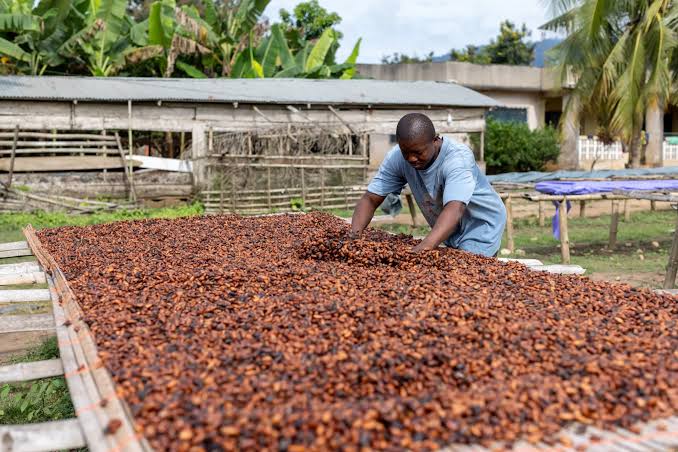
Meet the Roster
The cartel’s core members are worth introducing directly, since naming them makes the scale concrete. The thirteen firms included Cadbury Brothers, J.S. Fry & Sons, the United Africa Company, John Holt & Company, G.B. Ollivant, the United Trading Company (UTC), J. Lyons & Company, W. Bartholomew & Company, Busi & Stephenson — and CFAO itself, the same French trading house already covered extensively in this blog’s history series.
It’s worth explaining why cocoa mattered so much that this list needed to exist at all. Cocoa accounted for over 60% of all Gold Coast exports at the time, meaning whoever controlled cocoa purchasing effectively controlled the single largest lever in the colony’s entire economy.
The agreement’s origins are worth tracing. In mid-1937, Cadbury and UAC initiated discussions on the terms of cocoa purchases. By the time the arrangement was finalized, all thirteen firms together represented 94% of all cocoa purchases in the Gold Coast.
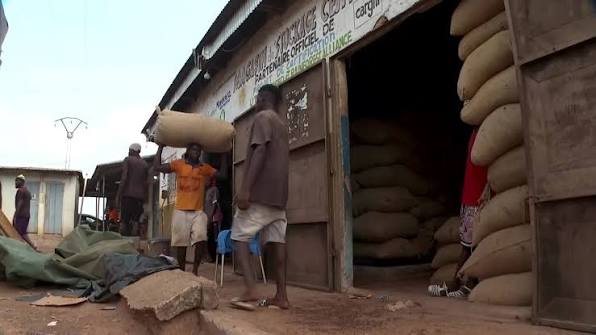
The Rules of the Agreement
The mechanics are worth explaining plainly, since this is the educational core of the cartel itself. The arrangement functioned as a market-sharing “quota system,” with each firm’s purchases capped at a stipulated proportion of the total crop, based roughly on what that firm had purchased in previous years — with prices fixed centrally by a committee in London rather than set through competitive local bidding.
The firms’ own stated justification for the arrangement is worth presenting fairly. The companies argued that African brokers had been abusing their position as middlemen, demanding advances from farmers and manipulating prices to inflate their own profits — meaning the cartel framed itself as protecting farmers from broker exploitation, not creating a new form of exploitation of its own.
The specific price cap this justification produced in practice is worth noting. The agreement aimed to cap producer payments at £5 per load — a ceiling farmers had no part in negotiating.
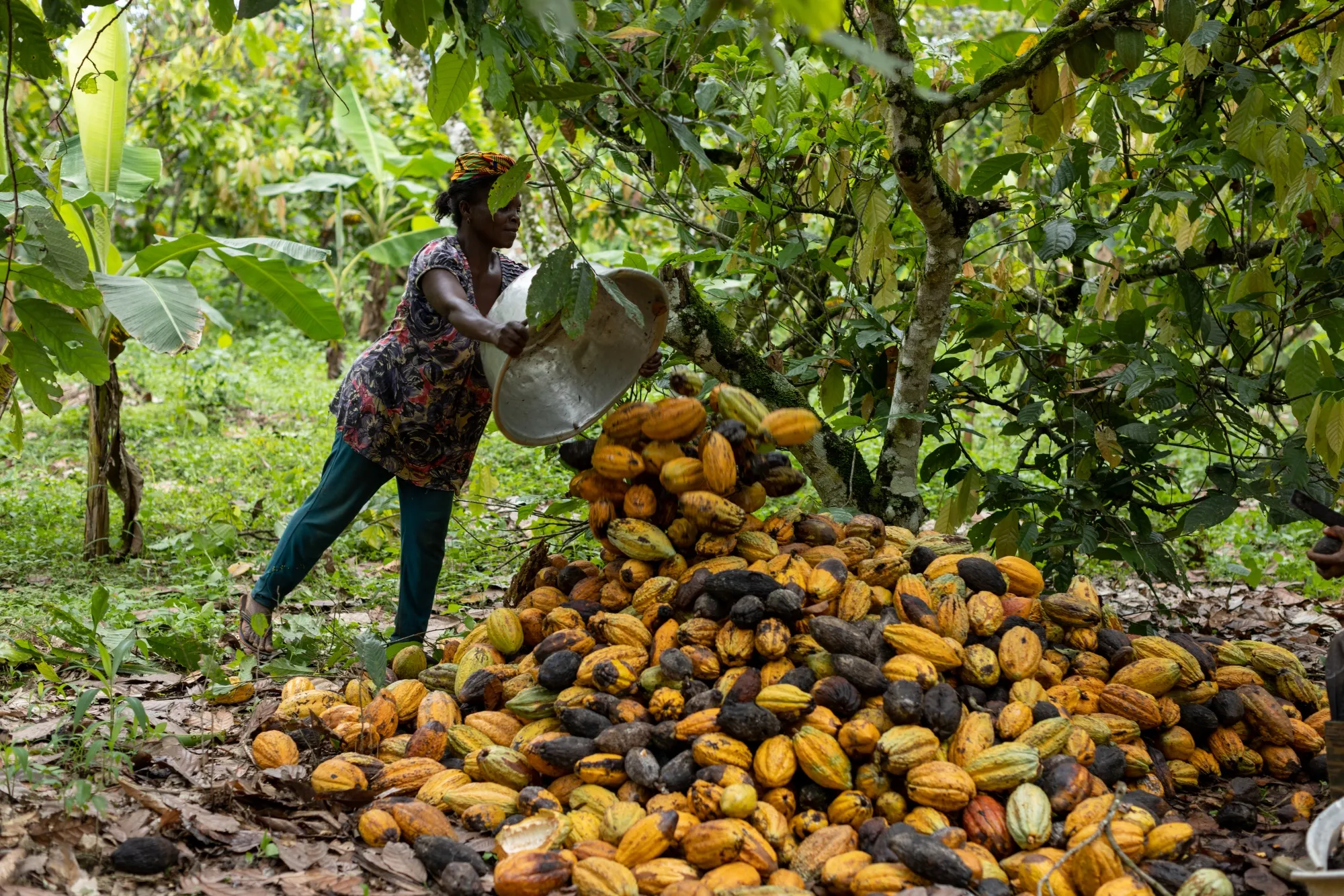
The Scandal: What Happened When Farmers Found Out
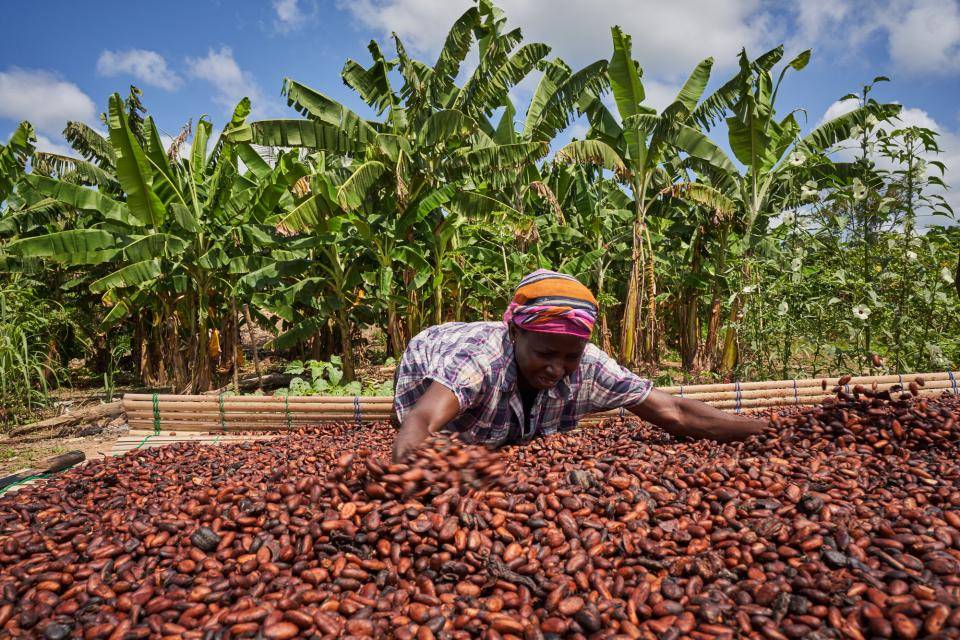
Here’s the piece’s central dramatic turn. The agreement became public in early October 1937, and the reaction was immediate — over 5,000 cocoa farmers signed a petition opposing it within the first week alone.
The escalation is worth tracing precisely. By mid-October, farmers’ associations across the region had passed formal resolutions against the agreement, cocoa sales began visibly declining as hold-ups took hold, and organizers held a coordinating conference on October 20, followed by mass meetings on October 28 and November 4.
The boycott’s specific, strategic design is worth including, since it shows real economic sophistication. Farmers agreed to boycott European goods broadly, but deliberately excluded genuine necessities — sugar, kerosene, matches, and tobacco — a boycott calibrated to hurt European trading firms without punishing their own communities in the process.
The scale of economic disruption this produced was significant. The hold-up, which ran from November 1937 to April 1938, saw farmers stockpile over 100,000 tons of cocoa rather than sell into the cartel’s terms, bringing what one academic account describes as “all sectors of the Gold Coast economy” to a standstill.
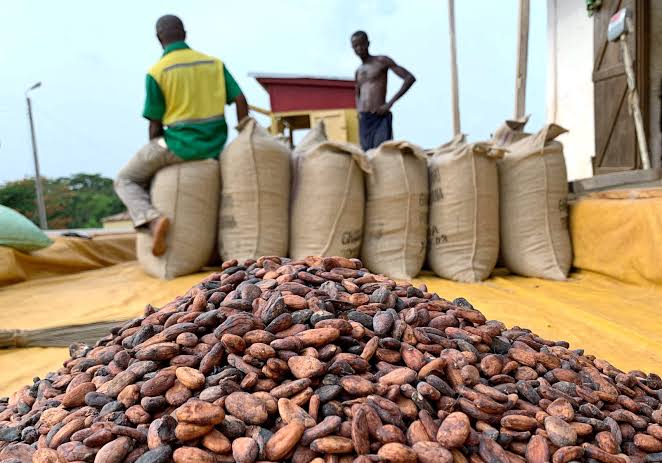
The Truce That Wasn’t Really a Truce
The government’s response is worth bringing in directly. The Secretary of State appointed the Nowell Commission to investigate the crisis, and a truce was eventually negotiated establishing export licensing controls.
The truce’s actual terms are worth quoting directly, since they reveal how little genuinely changed. The scheme specified that while the Gold Coast government remained free to allocate licenses covering 6% of the crop among African and other independent shippers, “licenses covering 94 percent of the crop should, throughout the period of the truce, be issued to regular shippers” — meaning the exact same cartel firms that had provoked the crisis retained the exact same 94% market share that had caused it.
Farmers won something real — a guaranteed purchase price eventually set at £7.5 per load, up from the cartel’s original £5 cap — but the underlying market structure the hold-up had been fought against was left almost entirely intact, with the Nowell Commission itself reportedly uncertain why hold-up leaders had agreed to a truce that changed so little about who actually controlled the trade.
What Eventually Changed
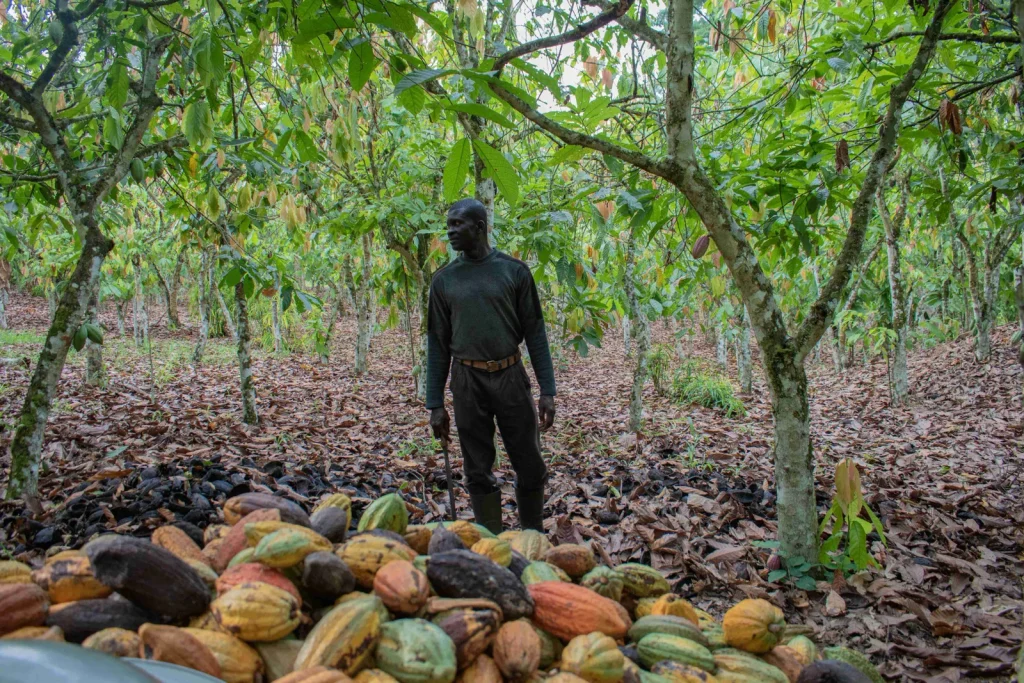
Bring the story to its actual resolution, years later. State controls over cocoa marketing began expanding from 1939 onward, and by 1947, the Gold Coast Cocoa Marketing Board formally prohibited the European trading firms from continuing their direct cocoa-buying operations altogether.
The timing is worth remembering, since it connects to independence itself. This happened a full decade before Ghana’s 1957 independence — meaning the cartel’s direct control over cocoa buying ended under continued colonial administration, not as a result of African self-government, even though it was African farmer resistance in 1937-38 that had first forced the issue onto the colonial agenda.
The Myth vs. The Reality
| What people assume | What actually happened |
| The 1937-38 cocoa hold-up was a clean farmer victory that broke the European trading cartel’s power | The truce that ended the crisis preserved the cartel firms’ 94% market share almost entirely intact, even as it delivered a real price increase |
| The thirteen firms in the cocoa agreement were separate, unrelated companies | CFAO and UAC — both extensively profiled elsewhere in this blog — were founding or core members of exactly this cartel |
| The cartel’s control over cocoa buying ended because of the 1937-38 farmer resistance | It formally ended in 1947, nearly a decade later, through a Cocoa Marketing Board still operating under continued colonial administration |
| Farmers gained nothing lasting from their five-month hold-up | They secured a genuine price increase, from a £5 cap to a £7.5 guaranteed purchase price, even without dismantling the cartel’s market structure |
Close: A Roster That Didn’t Change, Even When the Score Did
The 1937-38 cocoa crisis is often remembered as a triumphant story of African economic resistance, and in real, measurable ways it was — the price increase was genuine, and the mass mobilization was unprecedented in scale. But the roster of thirteen firms controlling 94% of the trade before the crisis was still, in substance, the same roster controlling 94% of the trade after the truce that resolved it.
This is the same throughline this blog keeps finding across its coverage of CFAO, UAC, and their peers — genuine African resistance repeatedly won real, meaningful concessions, without ever quite dislodging the underlying concentration of market power those companies had already built.
Sources and further reading.