
A Historical In-depth Discovery of Trade in West Africa Since 1896
Here’s what you need to know:
- France’s Atomic Energy Commission (CEA) began systematic geological surveys across Niger in 1956, discovering uranium at Azelik in 1957 and securing its first formal exploration permit — covering 50,000 square kilometers — in July 1959, a full year before Niger’s independence.
- At the exact same time, Niger had its own pro-independence leader: Djibo Bakary, a trade unionist elected mayor of Niamey in 1956, who became head of the country’s first autonomous government and campaigned for immediate independence.
- The scandal: in the September 1958 referendum on whether to join France’s proposed “Community” or seek immediate independence, colonial administrators are documented as having actively sabotaged Bakary’s campaign, “increasing pressure and stuffing the ballot boxes to ensure a ‘yes’ victory.”
- Within months of that contested vote, in January 1959, the CEA received formal prospecting authorization for the uranium-rich region — the political outcome that cleared France’s path to Niger’s uranium arrived at almost exactly the moment the referendum against immediate independence was secured.
One story is about a French state agency quietly mapping uranium deposits across the Nigerien desert. The other is about a Nigerien independence leader losing a contested vote. Told separately, they’re two unrelated footnotes. Told together, in the exact order they actually happened, they tell a different story entirely.
This is a side-by-side timeline of Niger’s uranium discovery and Niger’s blocked path to immediate independence, showing exactly how close together these two events actually landed.
Timeline One: The Uranium Survey
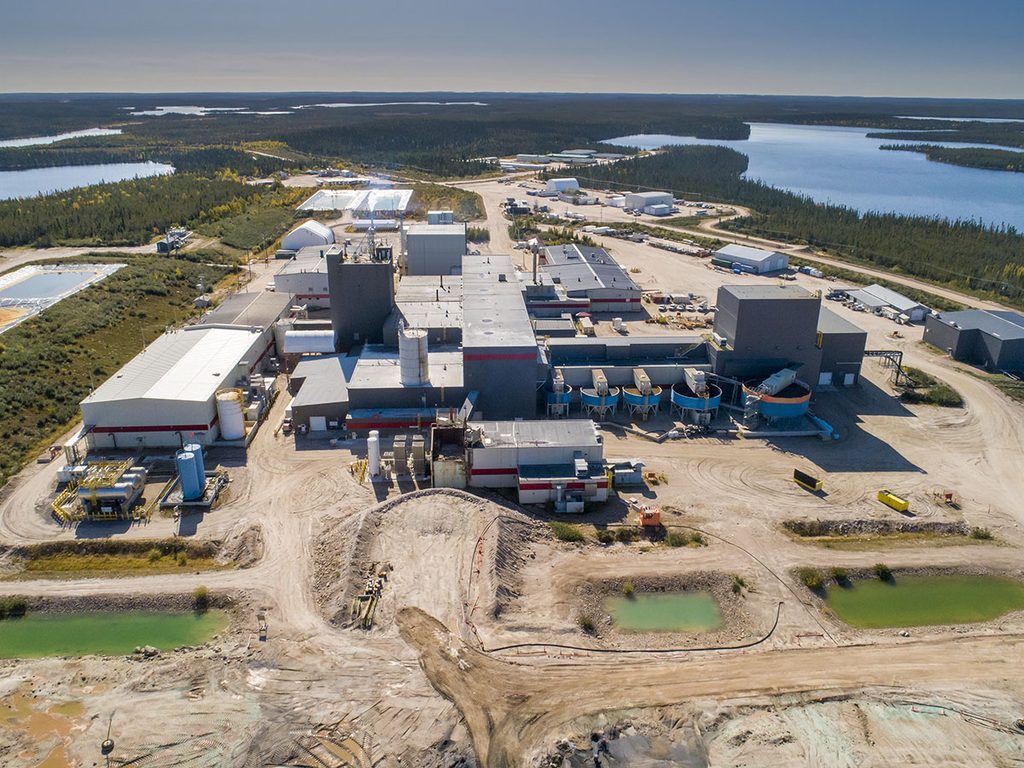
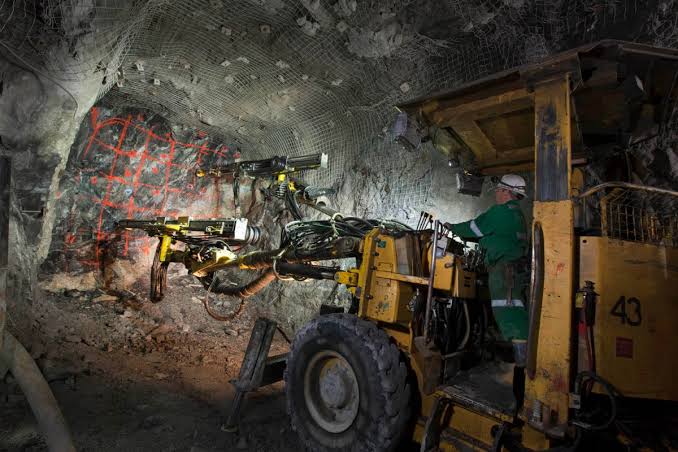
A Department for Geology and Mineral Exploration geologist first identified uranium presence in Niger’s Agadez region in the early 1950s, prompting the CEA and the Bureau de Recherches Géologiques et Minières (BRGM) to begin more extensive reconnaissance using land vehicles starting in 1956.
The specific discovery sequence is worth tracing. Uranium was formally discovered at Azelik in 1957 by BRGM geologists who had actually been searching for copper, with further sandstone deposits found at Abokurum in 1959, and additional major sites — including what would become the massive Arlit and Akouta deposits — identified through the mid-1960s.
It’s worth explaining why this exploration mattered so urgently to Paris specifically. France had secretly committed to developing its own nuclear deterrent force, detonating its first atomic bomb in the Algerian desert in February 1960 — meaning Niger’s uranium exploration wasn’t a routine resource survey. It was reconnaissance directly tied to an active French nuclear weapons program racing toward its first test.
Timeline Two: The Blocked Independence Movement
Djibo Bakary’s story is almost entirely absent from standard accounts of this period, and it’s worth introducing directly. A trade unionist, Bakary was elected mayor of Niamey in October 1956, then became president of Niger’s first autonomous government — a genuine, popularly elected pro-independence leader, not a marginal figure.
His political position parallels a leader already covered elsewhere in this blog. Like Guinea’s Sékou Touré, Bakary supported immediate, complete independence, and campaigned for a “no” vote in France’s September 1958 referendum on joining a new, semi-autonomous “French Community.”
The documented sabotage is worth quoting directly from the historical record. The colonial administration “sabotaged the electoral campaign, increasing pressure and stuffing the ballot boxes to ensure a ‘yes’ victory” — a direct, documented act of electoral interference against the one Nigerien leader pushing for a clean, immediate break from France.
The Scandal: What Happened in the Months That Followed
Here’s the piece’s central argument. Within months of that contested, sabotaged referendum, the political conditions in Niger shifted in exactly the direction that suited French commercial interests — and the CEA moved immediately to formalize its position.
The sequence is worth laying out precisely, since the dates tell the story on their own. In January 1959, the CEA obtained formal prospecting authorization; that July, it secured a first exploration permit covering 50,000 square kilometers across the exact plains and plateaus bordering the uranium-rich Aïr massif.
It’s worth being fair about what can and can’t be definitively proven here. This doesn’t mean the referendum was rigged specifically to secure uranium rights — no single document proves that direct causal link. But the sequence is impossible to ignore: the leader most likely to challenge French commercial access to Niger’s resources was pushed out of power through documented ballot manipulation, and within months, the exact commercial access in question was formally secured.
There’s a later legal reinforcement of this arrangement worth including, since it shows the strategic value being explicitly recognized. An April 1961 defense agreement between France and independent Niger formally classified uranium, thorium, lithium, and beryllium as “raw materials and products classified as strategic,” with both signatory countries reserving specific rights over them — meaning even after formal independence, France secured continued legal priority access to precisely the resource this timeline shows it had already begun securing before independence arrived at all.
Part Three: What “Independence” Actually Inherited
It’s worth explaining what this sequence meant for Niger’s actual sovereignty at the moment of independence in 1960. The country that became formally independent that year inherited a uranium sector where French state geological work, French prospecting permits, and French commercial positioning were already substantially in place — meaning genuine Nigerien control over its own most valuable resource was never really on the table from day one of independence.
This connects directly to the 1967 protocol already covered elsewhere in this blog’s coverage. The ownership structure that gave Niger’s government just 15% of SOMAIR wasn’t negotiated from a position of Nigerien strength. It was negotiated seven years after a French agency had already spent over a decade mapping, discovering, and formally claiming prospecting rights to the resource being divided up.
The Myth vs. The Reality
| What people assume | What actually happened |
| Niger’s uranium wealth was discovered and developed after independence, through negotiations between two sovereign, equal parties | CEA surveys, discoveries, and formal exploration permits were substantially secured before Niger’s 1960 independence |
| Djibo Bakary’s political defeat in 1958 was simply a normal electoral outcome, unrelated to French resource interests | The colonial administration is documented as having sabotaged his campaign through ballot manipulation, with the CEA’s key uranium permit arriving within months of that outcome |
| France’s uranium interests in Niger only became formalized well after independence, through the 1967 protocol | The 1961 defense agreement already legally classified uranium as a “strategic” resource, reinforcing commercial access established years earlier |
| The 1967 SOMAIR ownership split was negotiated between equal parties starting from a blank slate | It was negotiated on top of over a decade of pre-existing French geological work, discoveries, and prospecting rights |
Close: A Resource Claimed Before the Country Was Free
No single document proves the 1958 referendum was rigged specifically to secure uranium access — but the documented sabotage of Niger’s independence movement, and the CEA’s formal uranium permit arriving within months of it, sit close enough together in time that treating them as unrelated coincidences requires more faith in coincidence than the historical record comfortably supports.
This is the true starting point of the story this blog has already traced through the 1967 protocol, the coup pattern, and the eventual 2025 nationalization — not Niger negotiating access to its own uranium as a newly sovereign nation, but France securing that access years before Niger’s sovereignty even began.

Sources and further reading.