
A Historical In-depth Discovery of Trade in West Africa Since 1896
Here’s what you need to know:
- On July 28, 1967, President Hamani Diori signed the founding protocol creating SOMAIR, splitting ownership 45% CEA, 40% private French interests, and just 15% to the State of Niger.
- Six months later, on January 17, 1968, a formal decree granted the CEA a mining concession over 360 square kilometers in the Agadez region — for a term of 75 years.
- The scandal: that concession included a clause guaranteeing the CEA any more favorable terms a future competitor might ever receive, for the entire 75-year duration, plus free, unrestricted use of “water wells” in one of the driest regions on Earth.
- Before any of this was formalized, Diori personally wrote to French official Robert Schuman committing to design Niger’s own tax code specifically around what would be most favorable to the extraction operation, months before the mining decree granting that operation was even issued.
Everyone who covers this story mentions the 45-40-15 ownership split. Almost nobody reads what happened in the months right after, when the actual operating terms got written into a formal concession decree.
This is a clause-by-clause look at what Niger actually signed, starting with the tax letter that came before the deal, and ending with the clause that locked its terms in for 75 years.

Clause Zero: The Letter Written Before the Deal
Before the formal mining decree was even issued, Hamani Diori personally wrote to Robert Schuman — then France’s Minister of State for Scientific Research and Atomic and Space Issues — committing to adopt a specifically “tailor-made fiscal regime for uranium,” designed around what he called “the foreseeable conditions of extraction and processing of this mineral in Niger.”
It’s worth explaining why this sequencing matters, since it reverses the usual assumption of how tax policy gets negotiated. Normally, a government sets its tax code, and a company decides whether the terms are attractive enough to invest under. Here, Niger’s own head of state personally committed, in writing, to shape his country’s tax policy around the extraction operation’s needs before that operation’s formal legal terms were even finalized.
What followed is worth noting directly. Diori made good on this commitment in January 1968, adopting the tailored fiscal regime exactly as promised.

Clause One: 45-40-15
The founding ownership split is worth restating precisely, since it’s the foundation everything else builds on. The July 28, 1967 protocol created SOMAIR with 45% ownership to the CEA, 40% to private French interests, and just 15% to the State of Niger — meaning French interests, combined, held 85% of a company mining Niger’s own territory.
The nature of the CEA’s actual capital contribution is worth noting, since it reveals how little new investment this really represented. The CEA’s contribution was valued largely on its pre-existing mining titles and exploration studies already conducted before January 1, 1967 — meaning France converted work it had already completed, using access it had already secured, directly into ownership.
Clause Two: The 75-Year Concession
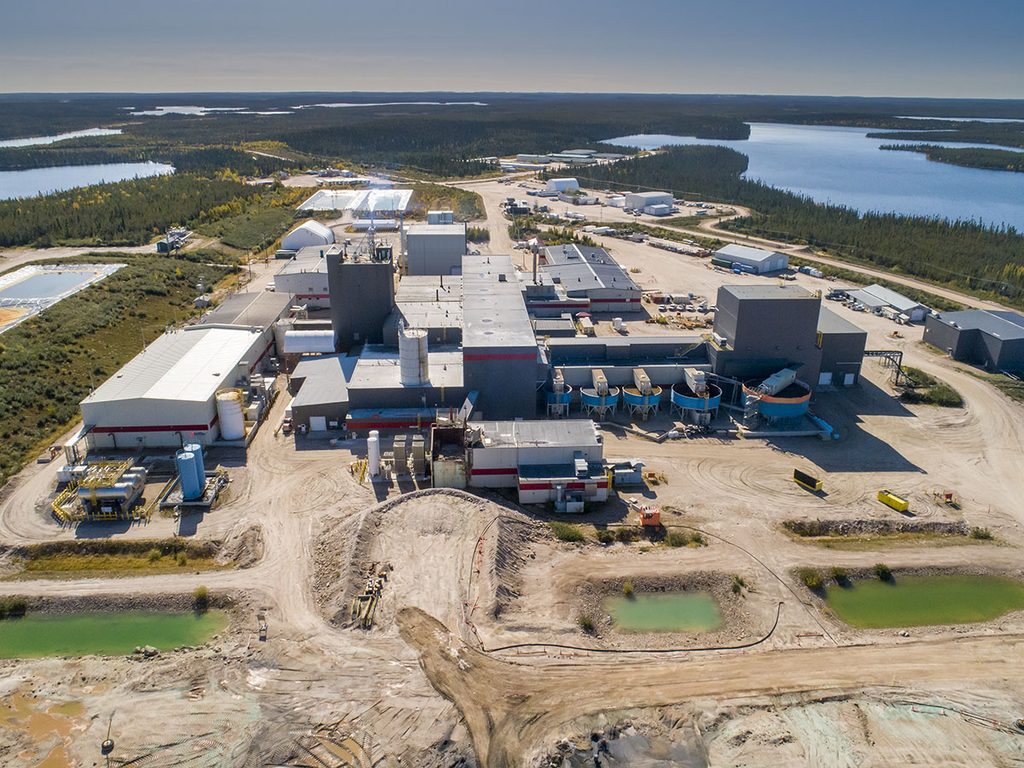
Here’s the piece’s sharpest documented finding. On January 17, 1968, a formal decree granted the CEA mining rights over 360 square kilometers in the Agadez department — the “Arlit concession” — for a period of 75 years.
It’s worth making the scale of that time period concrete, since it’s easy to read past a number this large without registering it. 75 years from 1968 extends to 2043 — meaning a single mining concession, signed eight years after independence, was designed to outlast the professional careers of everyone who negotiated it, and to remain in force for nearly the entire productive lifespan of the nation it was granted in.
There’s a “most favored terms” clause worth bringing in directly, since it compounds the length of the concession with a guarantee that locks in relative advantage too. The agreement guaranteed the CEA the application of any more favorable provisions a future competitor might ever receive, throughout the entire 75-year term — meaning even if Niger later negotiated better terms with a different company, the CEA was contractually guaranteed to receive those same improved terms automatically.
The Scandal: The Water Wells Clause
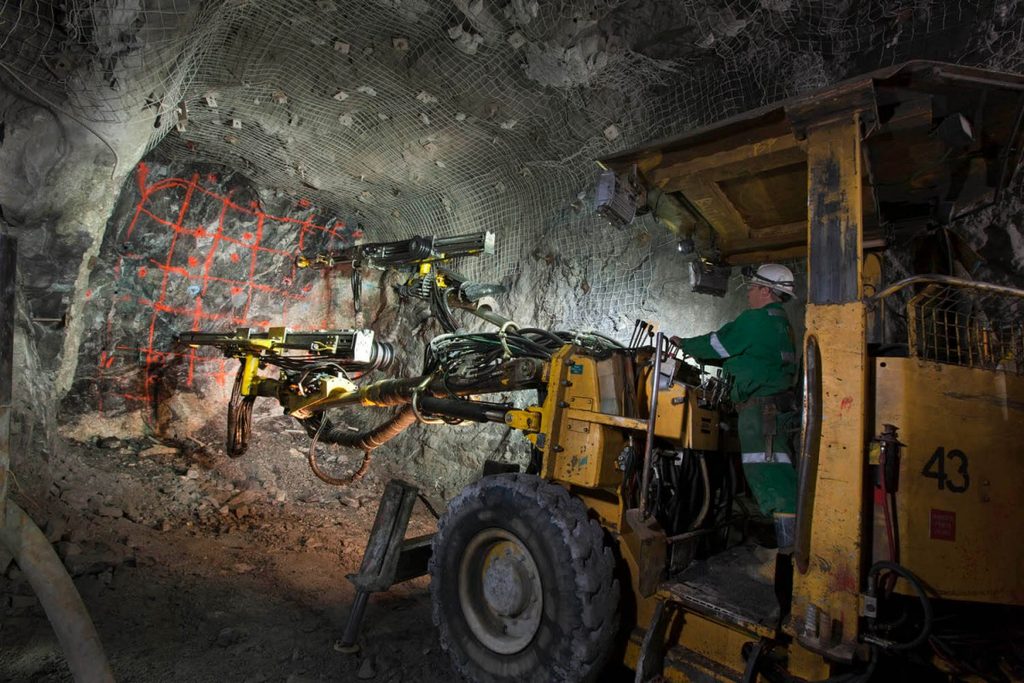
Here’s a small clause with an outsized symbolic weight. The same concession granted the CEA — and by extension SOMAIR — free use of “the land and installations of all kinds used for the operation,” explicitly including “water wells.”
This specific detail deserves attention in a way the ownership percentages alone don’t fully capture. This concession sits in the Agadez region, at the edge of the Sahara, one of the most water-scarce environments on the planet. Granting free, unrestricted access to water wells in a desert nation isn’t a minor operational footnote — it’s control over the single resource every surrounding community’s survival depends on just as directly as it depends on mineral wealth.
A 75-year mining concession is a long time to grant exclusive commercial rights over uranium. Granting free use of water wells for the same 75 years, in the same breath, extends that same logic to the one resource that has nothing to do with uranium extraction and everything to do with whether people can keep living nearby.
The Myth vs. The Reality
| What people assume | What actually happened |
| The 1967 protocol’s 45-40-15 ownership split was the full extent of the deal’s imbalance | A separate 75-year concession decree followed, containing a perpetual most-favored-terms guarantee and free water rights, extending the imbalance far beyond the initial equity numbers |
| The CEA’s mining concession was a standard, time-limited commercial arrangement like similar agreements elsewhere | Its 75-year term, running to 2043, extends across nearly the entire productive lifespan of the nation that granted it |
| Niger’s tax policy toward uranium was negotiated as an independent decision by its own government | Diori had already personally committed, in writing, to shape national tax policy around the operation’s needs before the mining decree granting it was even issued |
| Concession terms like these applied only to mineral extraction rights | The same decree granted free, unrestricted use of water wells in one of the most water-scarce regions on Earth |
Close: Ink That Outlasted Everyone Who Signed It
The 45-40-15 split is the number most retellings of this story remember, but the fine print signed in the months after — the 75-year term, the perpetual most-favored-terms clause, the free water rights — did just as much to lock in France’s advantage, and for far longer than most people realize.
This is the actual legal architecture underneath everything else this blog has covered about Niger’s uranium relationship — the coup pattern, the corporate renamings, the eventual 2025 nationalization all played out on top of a foundation designed, on paper, to still be legally binding today.
Sources and further reading.