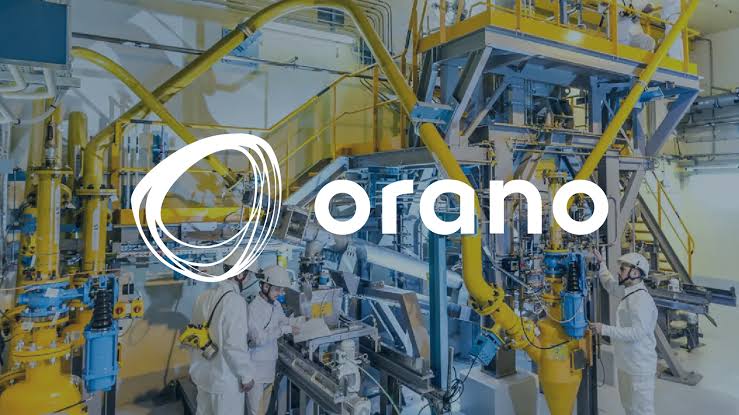
Orano held a 63.4% stake in the SOMAÏR uranium mine. Between 1971 and 2024,
the company had taken 86.3% of everything the mine produced.
A gap that big looks like proof of exploitation on its face.
Here’s the twist. Orano doesn’t deny the number. It disputes what caused it —
arguing its own Nigerien state partner had spent years avoiding its share of
production costs, forcing Orano to buy extra uranium above its ownership stake
just to keep the mine financially alive.
Both sides agree on the number. They completely disagree on whether it proves
exploitation or just proves who actually paid the bills when uranium prices
crashed.
Here’s What Actually Happened
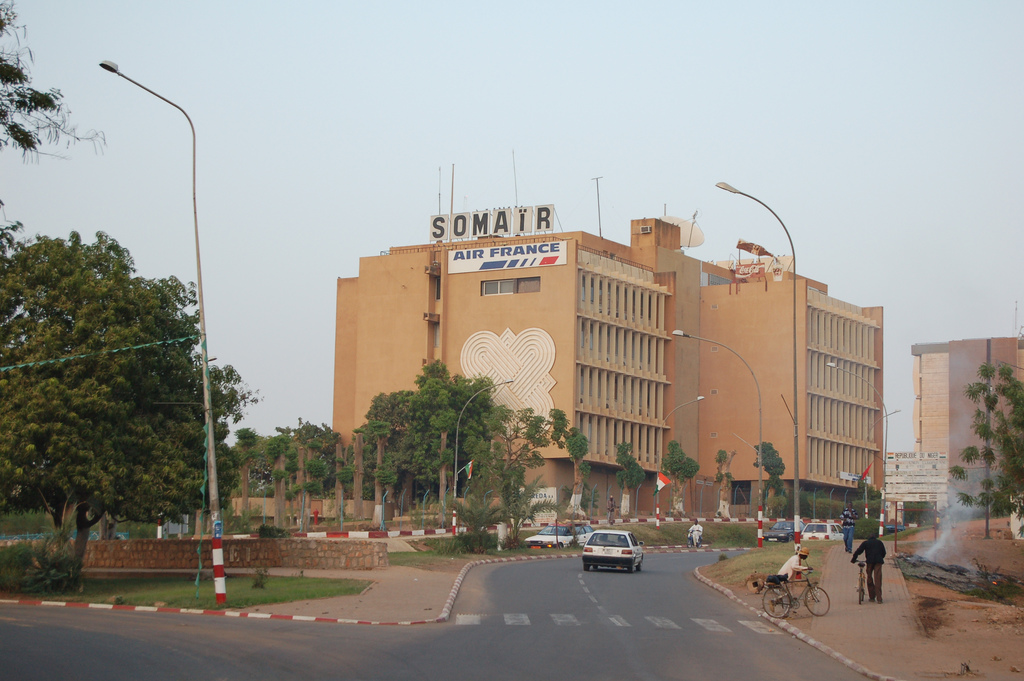
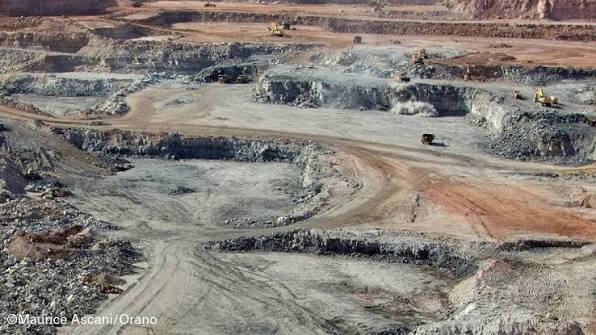
SOMAÏR (Société des Mines de l’Aïr) began uranium mining at the Arlit deposit in
northern Niger in 1971, jointly owned from the start by French interests — initially
AREVA, later restructured as Orano — holding 63.4%, and Niger’s state mining
entity, Sopamin, holding the remainder.
Here’s what triggered the nationalization. On June 19-20, 2025, Niger’s military
government, in power since a July 2023 coup, announced it would nationalize
SOMAÏR outright, accusing Orano of “irresponsible, illegal, and unfair behaviour”
and declaring the move a full assertion of national sovereignty.
Niger’s specific justification is worth stating precisely, since it’s the headline
claim. The government said Orano had extracted 86.3% of all uranium produced
at the mine between 1971 and 2024, despite holding only a 63.4% ownership stake
— a gap the government characterized as decades of disproportionate
extraction.
Here’s the myth-check. This nationalization didn’t happen in a vacuum. It followed
nearly two years of deteriorating relations, including Niger’s border closure with
Benin after the 2023 coup, which by October 2024 had already forced Orano to
suspend mining operations entirely, stranding roughly 1,050 tonnes of uranium
concentrate worth an estimated €300 million.
The Scandal: Two Completely Different Explanations for the
Same Number
Niger’s reading of the 86% figure deserves to be presented directly and fairly.
From the government’s perspective, a foreign company taking nearly a quarter
more of a resource than its ownership stake entitled it to, over more than five
decades, is straightforward evidence of a colonial-era extraction pattern
continuing long after independence.
Orano’s competing explanation deserves equal weight, since it’s a real,
documented claim, not just a defensive talking point. Orano has stated that its
state-owned partner, Sopamin, avoided sharing production costs during periods
of low uranium prices — meaning that during market downturns, Orano was
forced to purchase additional uranium above its shareholding just to maintain
the mine’s financial stability, since Sopamin wasn’t contributing its proportional
share of the costs required to keep operations running.
This distinction matters, rather than being a minor technicality. If Orano’s
account is accurate, the 86% figure reflects who bore financial risk during hard
years, not simply who took more resource value during good years — a
fundamentally different story than pure extraction, though one that still leaves
open the question of whether the underlying ownership and pricing structure
was ever fair to Niger in the first place.
There’s a third voice worth including for balance. Niger’s main mineworkers’ union
has accused Orano of deliberate sabotage amid the standoff, a charge Orano
denies, while the union insists production will continue regardless of the
ownership dispute.
This isn’t a case with one clear villain. It’s a dispute where the same statistic is
being read as either the smoking gun for decades of exploitation, or as evidence
of an already-struggling joint venture where the state partner didn’t pull its
financial weight during hard times.
The Scandal Nobody’s Arguing About: 20 Million Tonnes of
Radioactive Waste
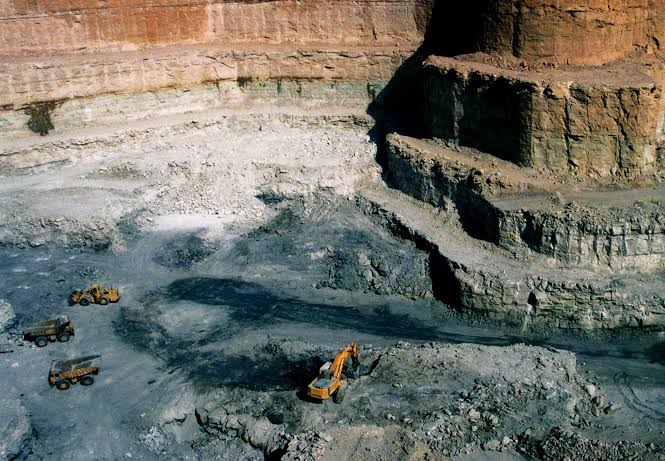
Here’s the part of this story that isn’t contested by either side. More than five
decades of uranium mining in Niger, largely under French operation, has left an
estimated 20 million tonnes of radioactive waste in the country — a legacy that
predates and outlasts any single dispute over percentages and shareholding.
This matters for the broader sovereignty argument this blog keeps returning to.
Regardless of how the ownership and extraction-share dispute gets resolved, the
environmental and public health consequences of decades of mining remain
squarely in Niger, while a significant share of the resource’s economic value was
historically exported to France.
The workforce reality on the ground keeps the human stakes concrete. SOMAÏR
employed 780 direct workers and roughly 780 subcontractors, 99% of them
Nigerien, whose livelihoods were directly disrupted by the 2024 export
suspension and the subsequent nationalization dispute — ordinary workers
caught in a standoff over ownership percentages they had no part in
negotiating.
Whether Orano’s 86% came from exploitation or from covering Sopamin’s unpaid
costs, the waste, the disrupted paychecks, and the decades of below-full-value
resource extraction all landed on Niger and its workers either way.
The Myth vs. The Reality
| What people assume | What actually happened |
|---|---|
| The 86% vs. 63% gap is undisputed proof of straightforward colonial-era exploitation | Orano disputes the exploitation framing directly, citing its state partner’s alleged failure to share production costs during low-price years |
| This nationalization was a sudden, unprovoked seizure with no prior context | It followed nearly two years of deteriorating relations, including a border closure that had already suspended mining operations and stranded €300 million in uranium months earlier |
| This is purely a dispute between Niger’s government and Orano | Niger’s own mineworkers’ union has entered the dispute directly, accusing Orano of sabotage, a charge the company denies |
| The environmental legacy of the mining relationship is a separate issue from the ownership dispute | Decades of mining have left 20 million tonnes of radioactive waste in Niger, a consequence both sides’ competing narratives leave largely unaddressed |
Why This Still Matters
This is the origin story behind the ICSID defiance and uranium shipment already
covered in this series — and like so much of what this blog has documented, the
full picture is more complicated than either “French company exploits African
resource” or “African government seizes foreign asset unfairly” on its own.
Both of those framings can be true at the same time — a resource relationship
structurally tilted against Niger for over fifty years, and a specific joint venture
where the day-to-day financial arrangement between the two named partners
may not have worked the way either side now claims.